

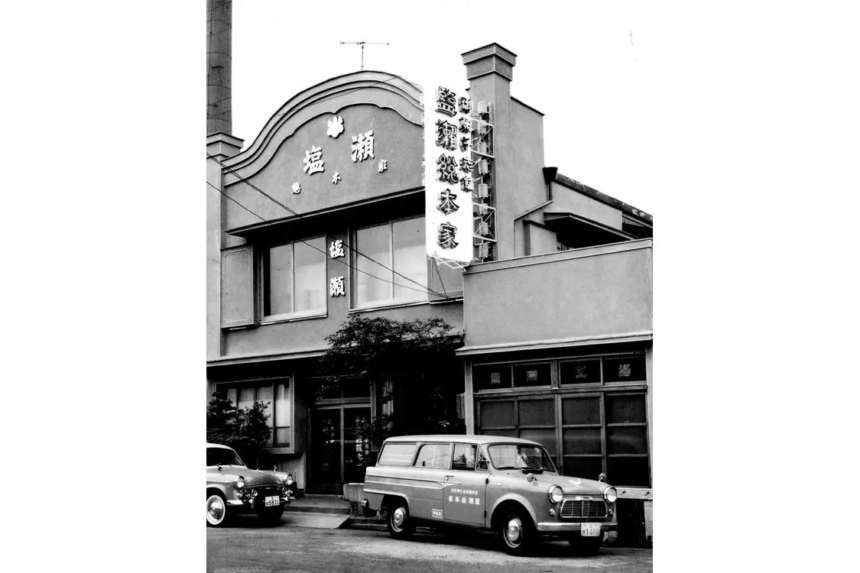
1349 (Teiwa 5)
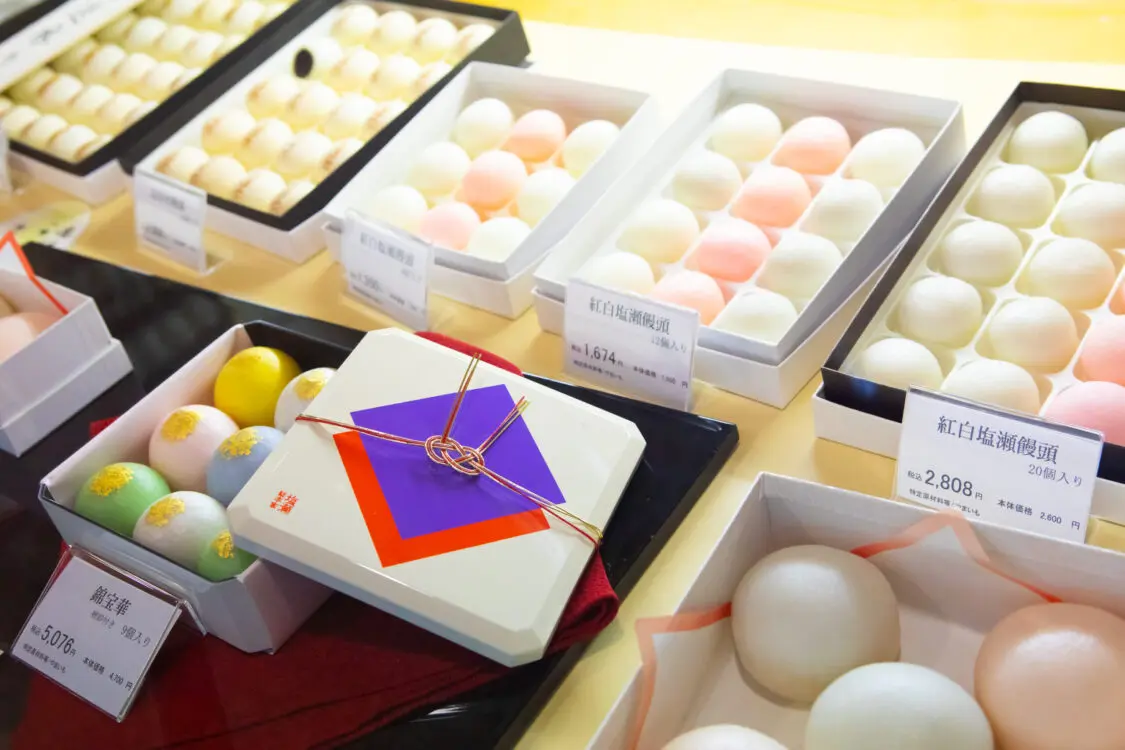
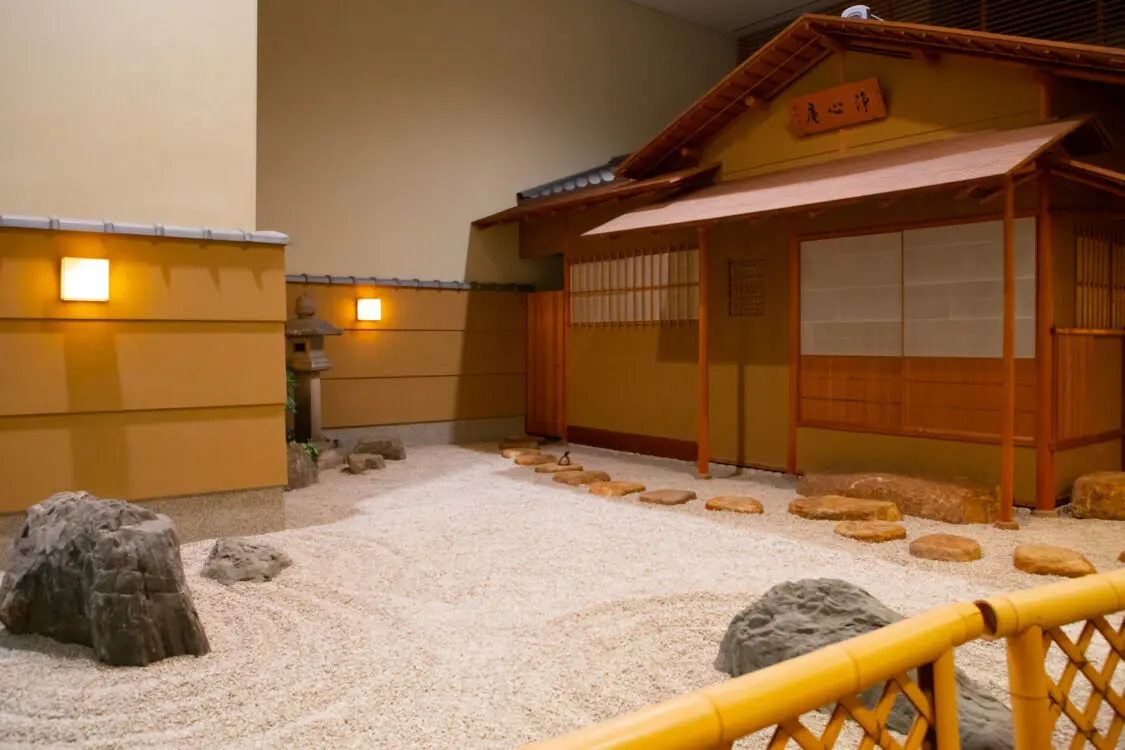
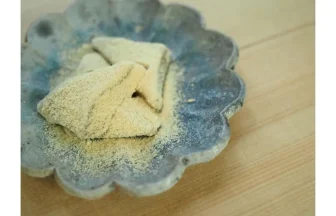
Shihose Manju, carefully made using traditional methods
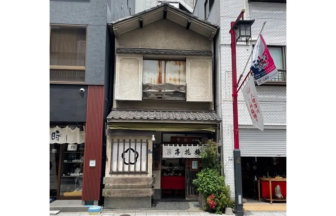
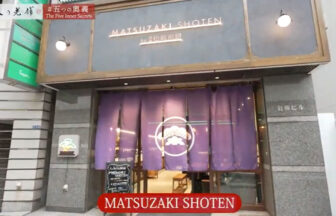
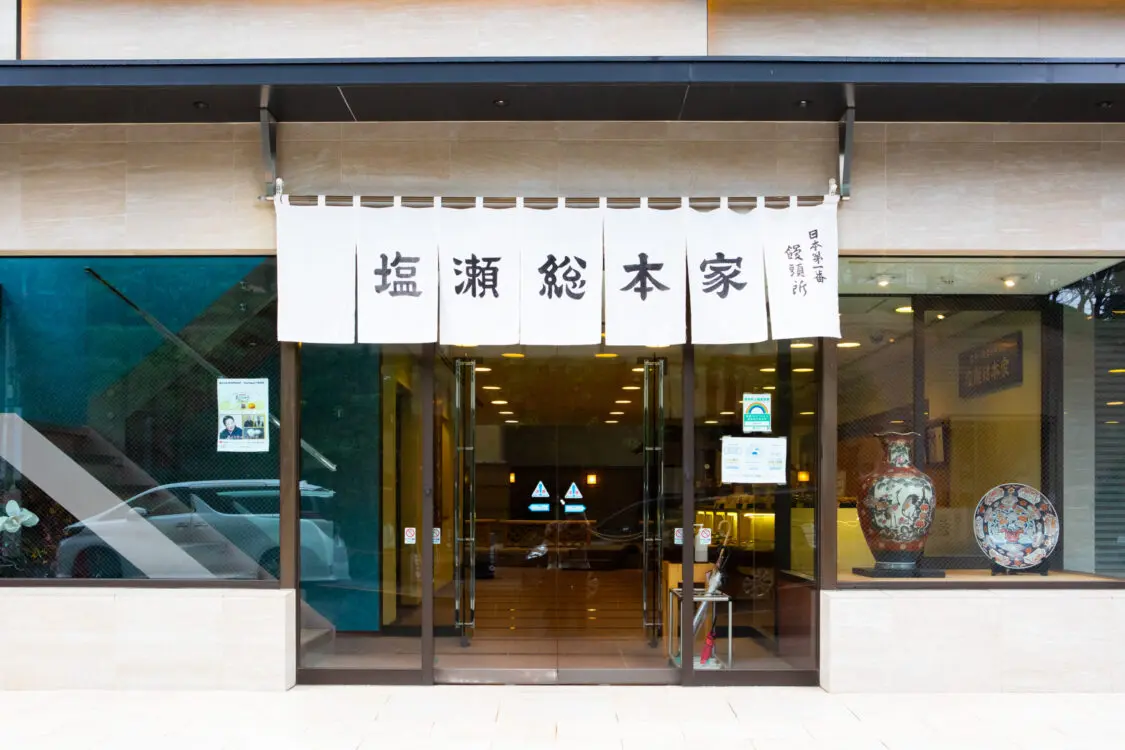
Located in Akashicho, Chuo Ward, Shiose Sohonke Main Store is known for its signature product, Shihose Manju, considered the original Japanese manju (*).中央区明石町に店舗を構える「塩瀬総本家 本店」。同店の看板商品である「志ほせ饅頭」は、日本の饅頭の元祖として知られています(※)。
The founder, Hayashi Jōin, created a steamed bun inspired by the Chinese “mantou,” wrapping red bean paste for Zen monks who could not eat meat. This original manju suited Japanese tastes, who loved red beans, and became popular among the upper class.Emperor Go-Murakami liked the manju so much that he gave court ladies to the founder, who then sent red-and-white manju as gifts, starting the tradition of giving them for celebrations.
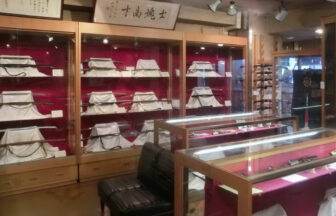
Later, the store received special honors: the “Goshichi no Kiri” crest from Emperor Go-Tsuchimikado and the title “Shiose Yamashiro Daijo” from Emperor Go-Mizunoo, an unusual respect for a merchant family.The large sign inside the store reading “Japan’s No.1 Manju Shop” was given by Ashikaga Yoshimasa, the 8th Muromachi shogun, showing Shiose Sohonke as the pinnacle of manju.
From its founding, the innovative taste of Shiose Sohonke’s manju impressed people and was cherished by the imperial family and shoguns.It is still strongly supported today because craftsmen carefully make each manju by hand.
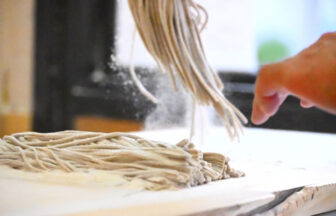
“It takes over 30 years to become a full-fledged craftsman,” says Issei Kawashima, the 35th head of the store.The soft and chewy dough is kneaded with yam, but every step, including peeling and grating yam, is done by hand.In a confectionery industry increasingly mechanized, there is a reason they stick to the original methods.
“Shiose Sohonke first made anko, then wheat manju, and then jōyo manju, innovating manju three times.As a store that represents the roots of Japanese sweets, we make sure not to change our origins.”
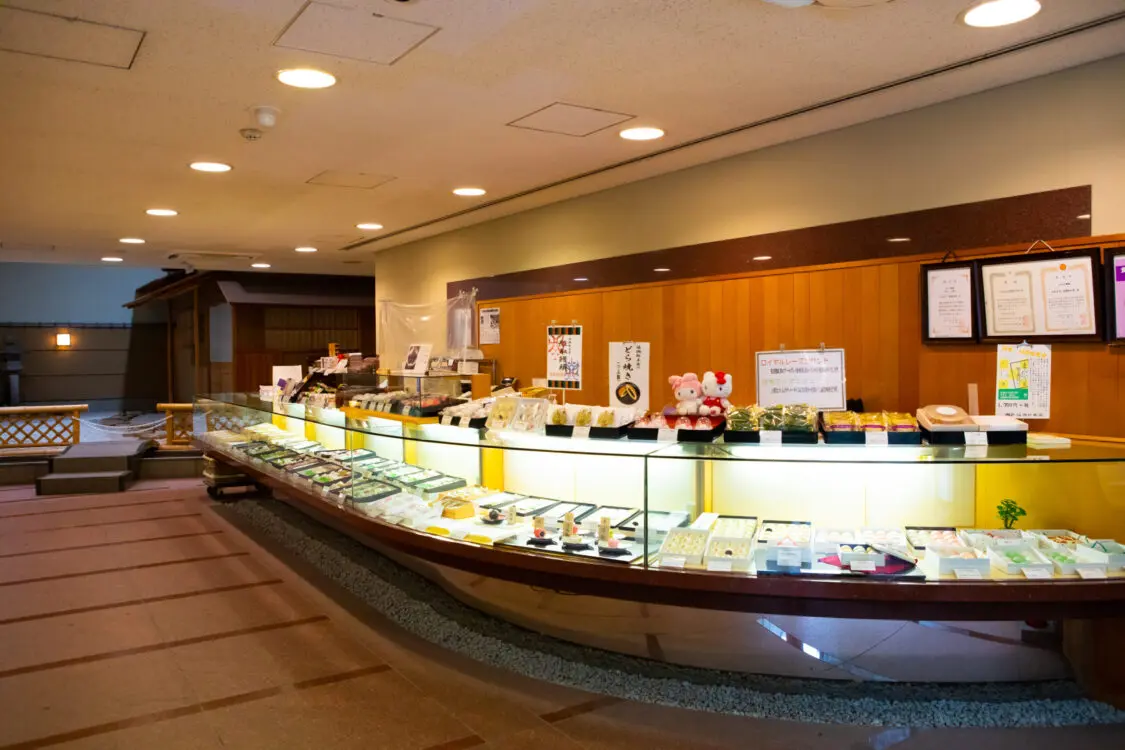
Shiose Sohonke’s motto is to never betray customer expectations, not just for manju but all Japanese sweets.For example, daifuku is made from glutinous rice soaked that morning, so its best-before date is the same day.Only products made in methods they can proudly call “authentic” are sold in the store.
Recently, they started offering prints of original photos or logos on Shihose Manju.These are popular as wedding favors, graduation gifts, or for corporate events.Shiose Sohonke, which started the red-and-white manju culture over 670 years ago, continues to creatively ensure Japanese sweets make special occasions memorable.
*There are various theories about the origin of manju.
History
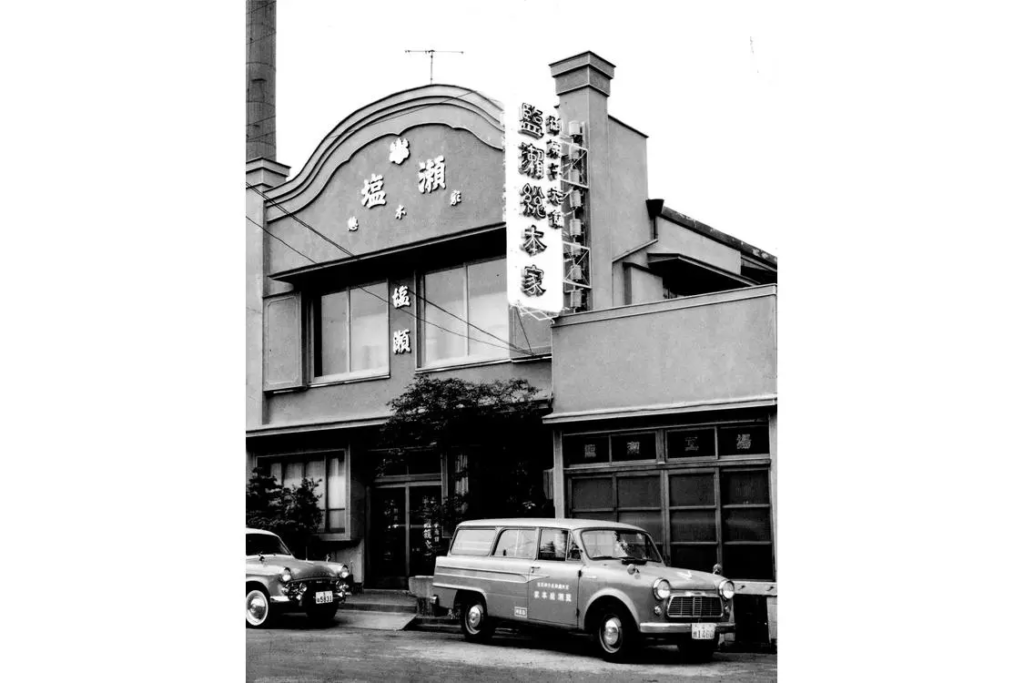
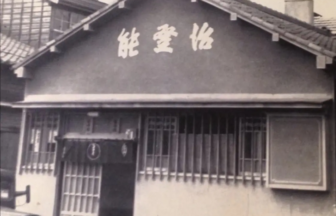
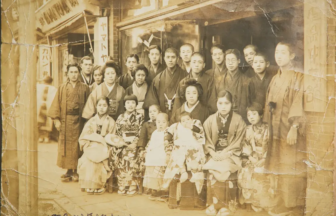
In 1349 (Teiwa 5), the Chinese founder of Shiose Sohonke, Hayashi Jōin, established the store in Nara.To escape the Ōnin War, he moved to Shiose Village in Mikawa and changed his family name to “Shiose.”Later, settling in Kyoto, the store prospered and was loved by famous samurai warlords.When the Edo shogunate was established, the store moved to Edo and started making sweets for the shogunate to present at Edo Castle.In the Meiji era, it became the first confectioner to serve the Imperial Household, and after the war, it began selling in stores, spreading Shiose Sohonke’s taste to the public.
For over 670 years, they have consistently offered authentic Japanese sweets.
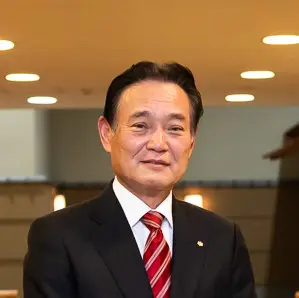
Issei Kawashima
35th Head of Shiose Sohonke
Manju, yokan, baked sweets—every product of Shiose Sohonke has a story linked to the history of Japanese confectionery.We aim to preserve Shiose’s taste developed over this long history and continue to meet customers’ expectations that “Shiose never fails.”Please visit Shiose Sohonke and enjoy the authentic taste of Japanese sweets.
This Notable Item
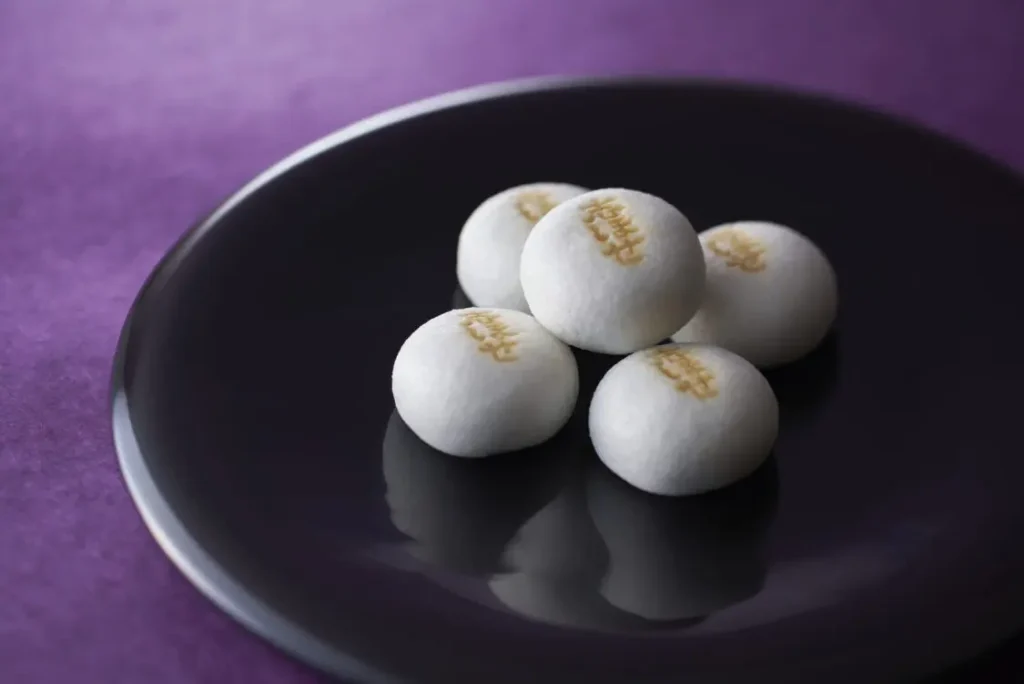
Shihose Manju (9 pieces)
1,296 yen (tax included)
Shiose Sohonke’s signature product. The red beans, said to determine the manju’s taste, come from Otofuke, Tokachi Plain, with no off-flavors. Sugar is coarse sugar, not granulated, for a clean, lasting taste.
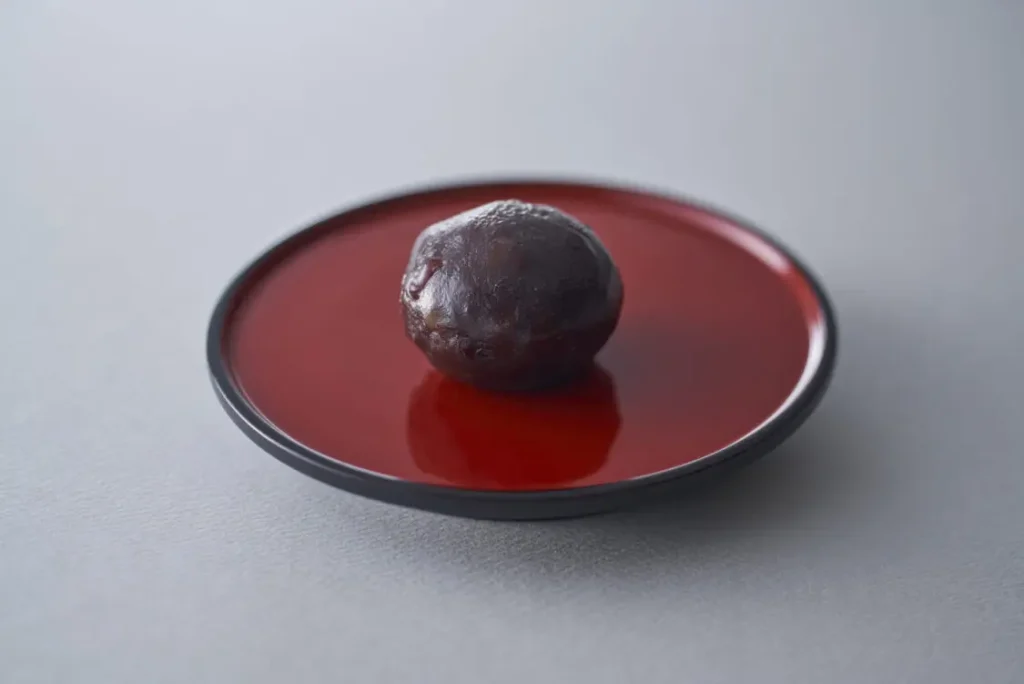
Hon Manju (4 pieces)
1,728 yen (tax included)
This historic sweet was offered by the 7th head, Hayashi Sōji, when Tokugawa Ieyasu went to the Battle of Nagashino.Since they placed the manju in a helmet to pray for victory, it is also called “Kabuto Manju.”The manju, wrapped in thin dough with plenty of red bean paste and large adzuki beans, is a true craft.
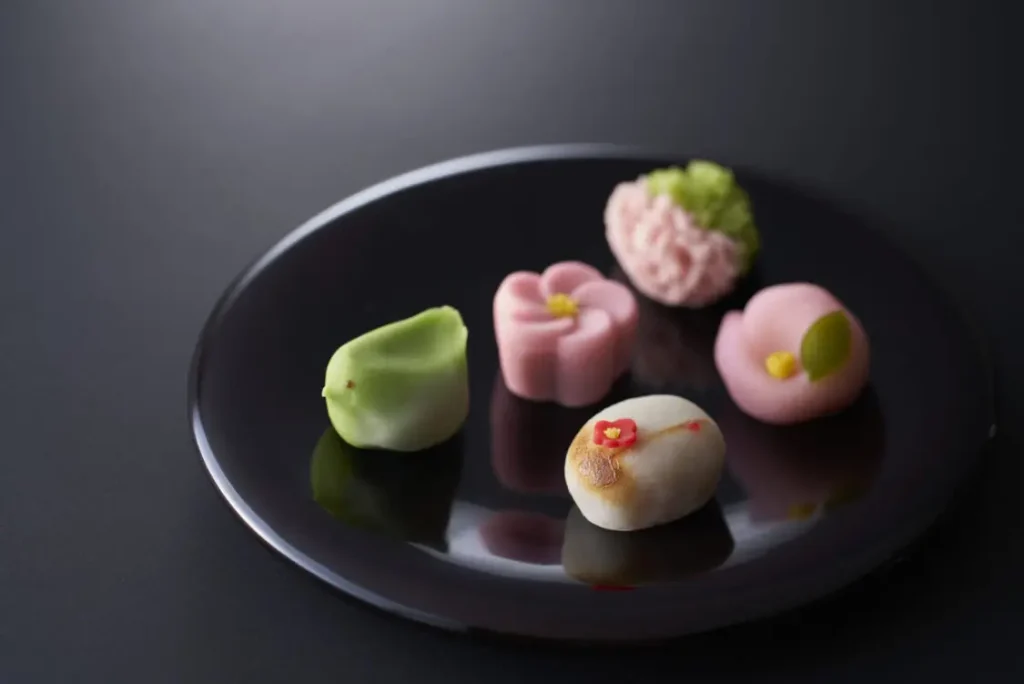
Seasonal and High-Grade Wagashi
From 432 yen (tax included)
Once a month, about five types of seasonal high-grade wagashi and manju are sold, designed and named by the chairman according to the season and current trends.They also offer a custom order service to create high-grade wagashi from concept and design, and it is said that only Shiose Sohonke in Tokyo has the knowledge and skill to create from scratch.
Spot Overview
| address (e.g. of house) | |
|---|---|
| phone | |
| Business Hours | |
| regular closing day | |
| Payment Method | |
| External Links |