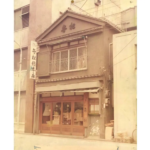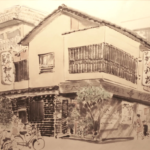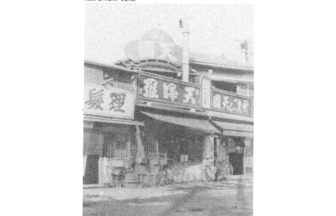


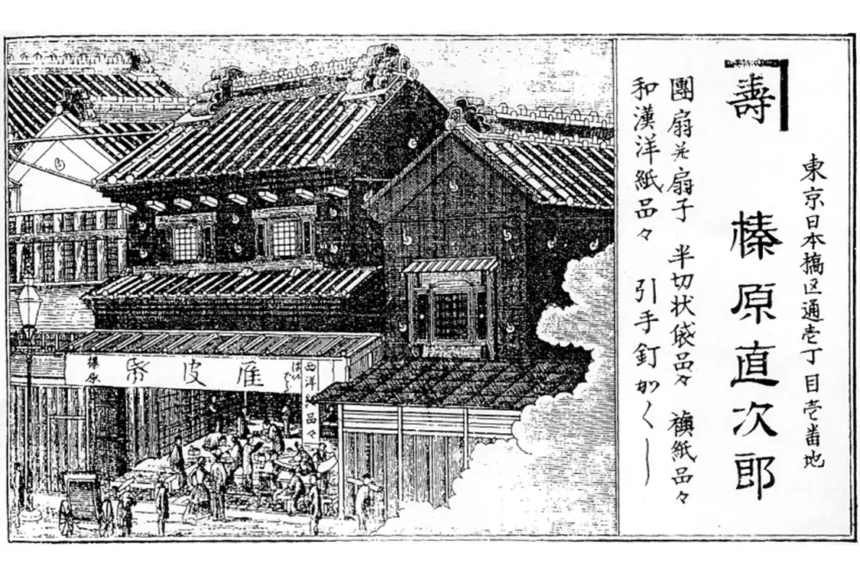
Founded in Bunka 3 (1806).
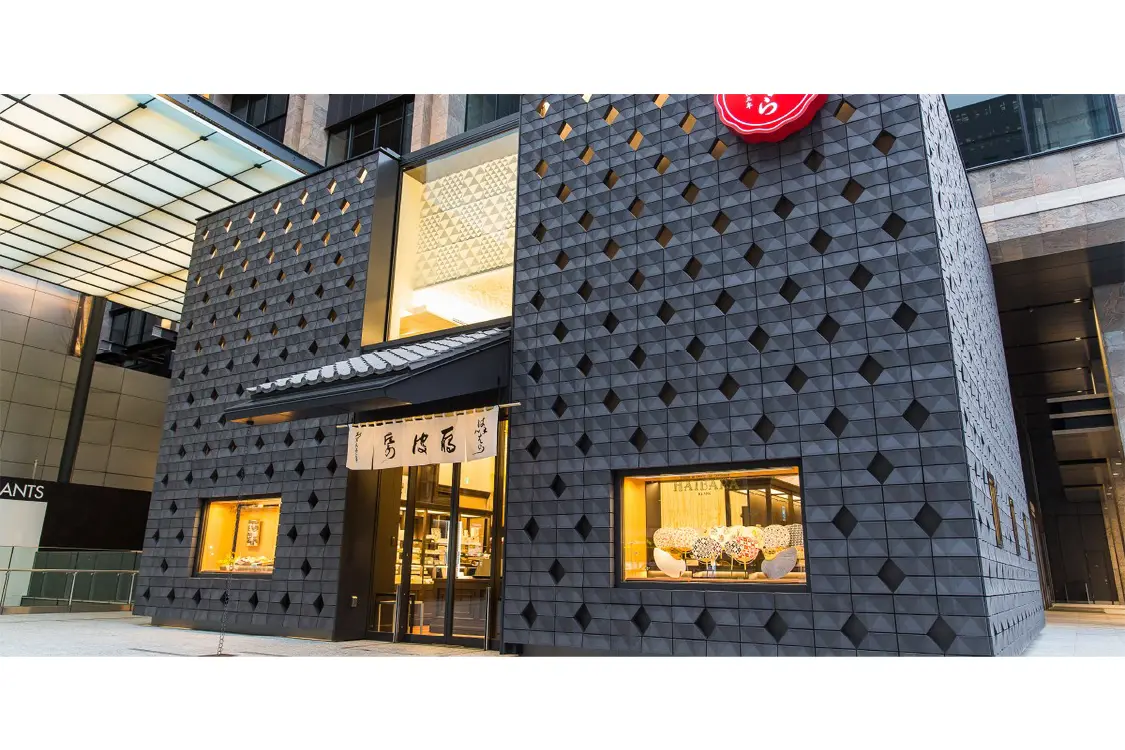
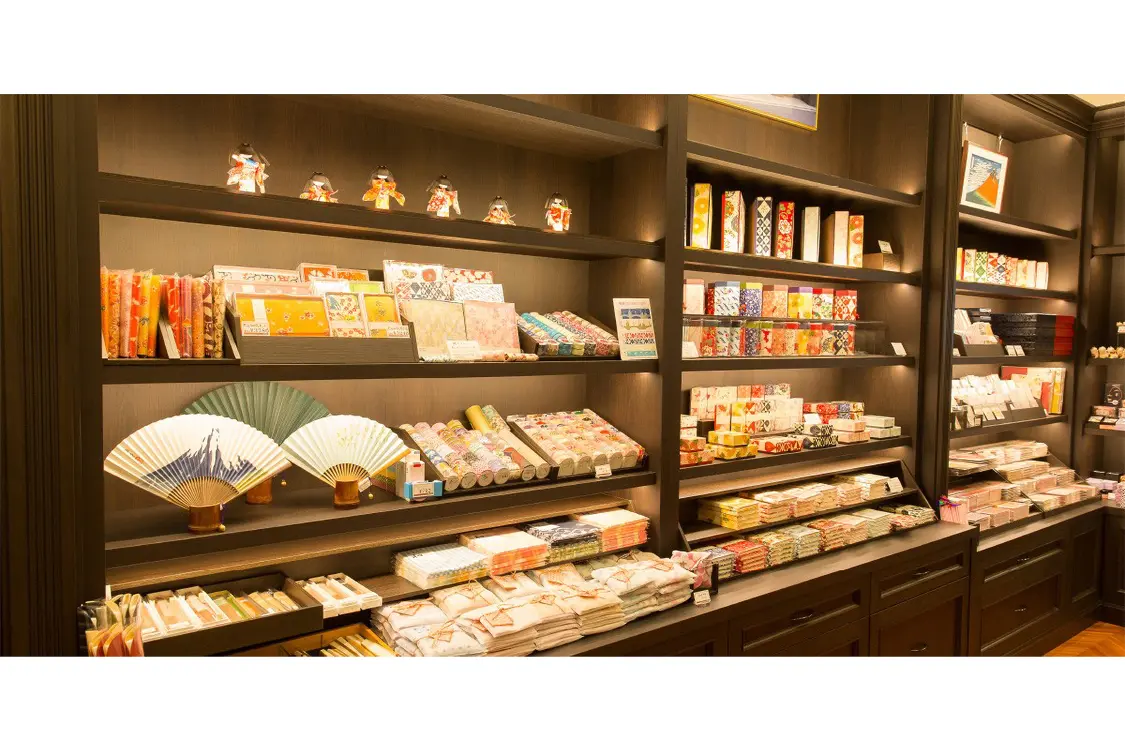
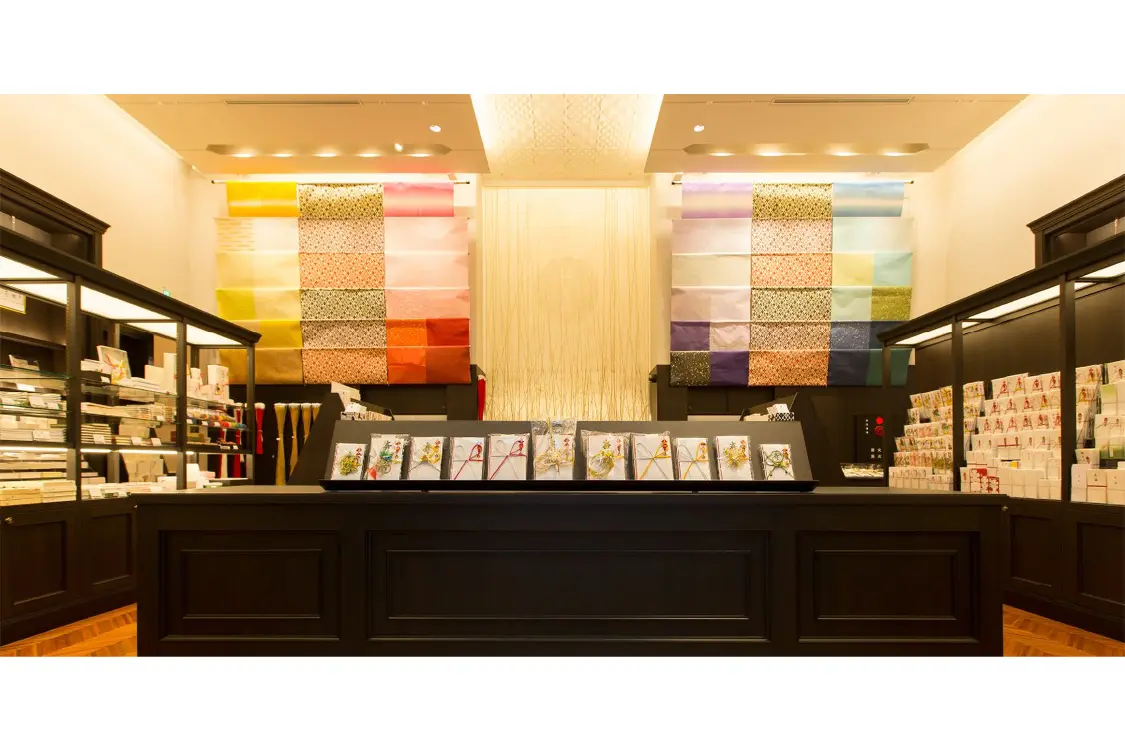
Paper products with refined designs that have been loved across generations.
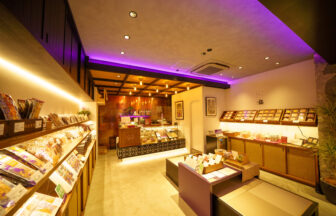
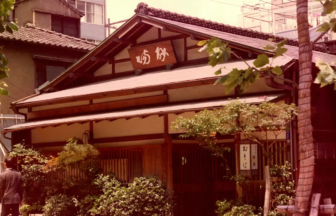
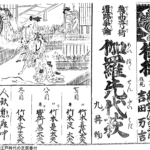
A washi specialty store that has continued for over 200 years in Nihonbashi, Tokyo. Throughout its long history from the Edo period, each generation of owners commissioned leading painters—such as Sakai Hōitsu, Watanabe Kazan, Kawanabe Kyōsai, Shibata Zesshin, Kawase Hasui, and Itō Shinsui—to create original artworks. The resulting fans, folding fans, and woodblock printed products became the foundation of “Haibara design.” Even today, while preserving tradition and dignity, the store continues to develop innovative products and designs, including collaborations with popular illustrators and characters.
In addition to many paper products made with traditional washi—such as writing paper, letter sets, decorative envelopes, fans, and origami—items using chiyogami, including decorative chests, hand mirrors, and calendars, are also popular. Believing that the way mizuhiki is tied expresses the giver’s feelings, staff carefully hand-tie each one according to customers’ requests. The store also offers handwritten calligraphy on decorative envelopes, which is valued for weddings and funerals.
History
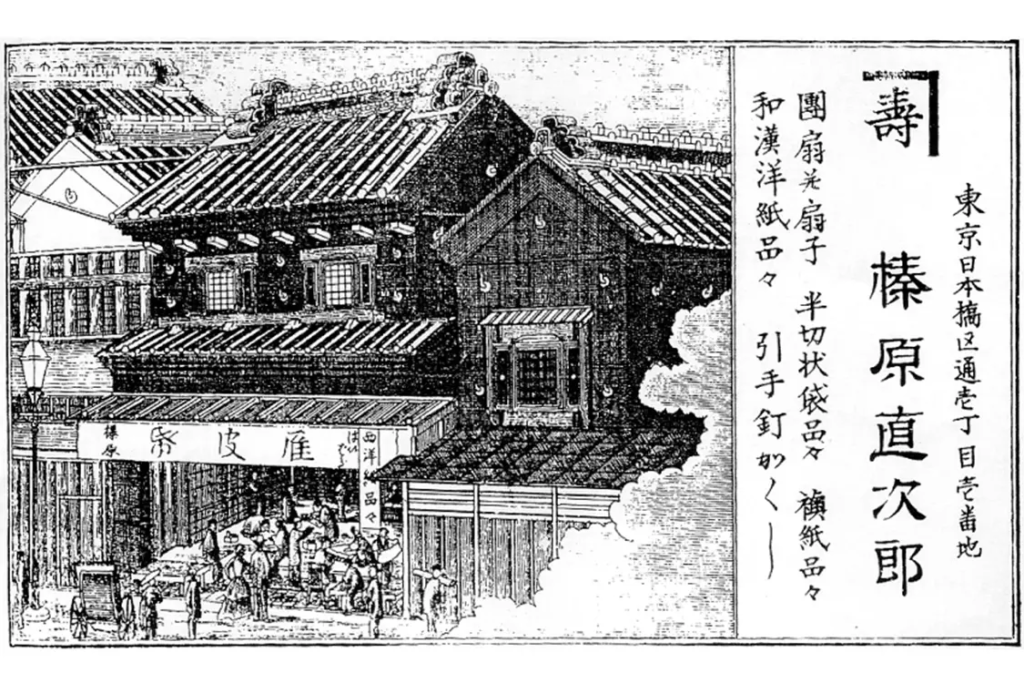
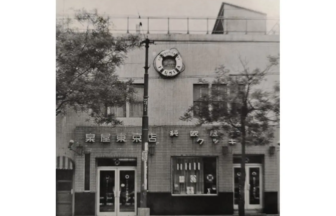
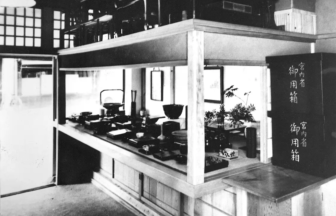
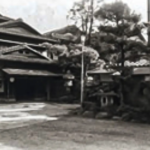
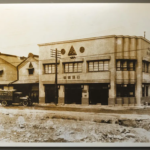
After working for the bookstore wholesaler “Suharaya Mohei,” the founder Sasuke Nakamura began selling paper, ink, and medicine in Bunka 3 (1806). Gampi paper—made using the gampi plant—became popular among people in Edo for its smooth writing feel and beautiful lettering. Later, chiyogami, fans, and writing paper also became beloved main products. In the Taishō era, when measuring instruments began to be imported from overseas, the company applied its printing techniques to manufacture Japan’s first chart recorder paper.
This Notable Item
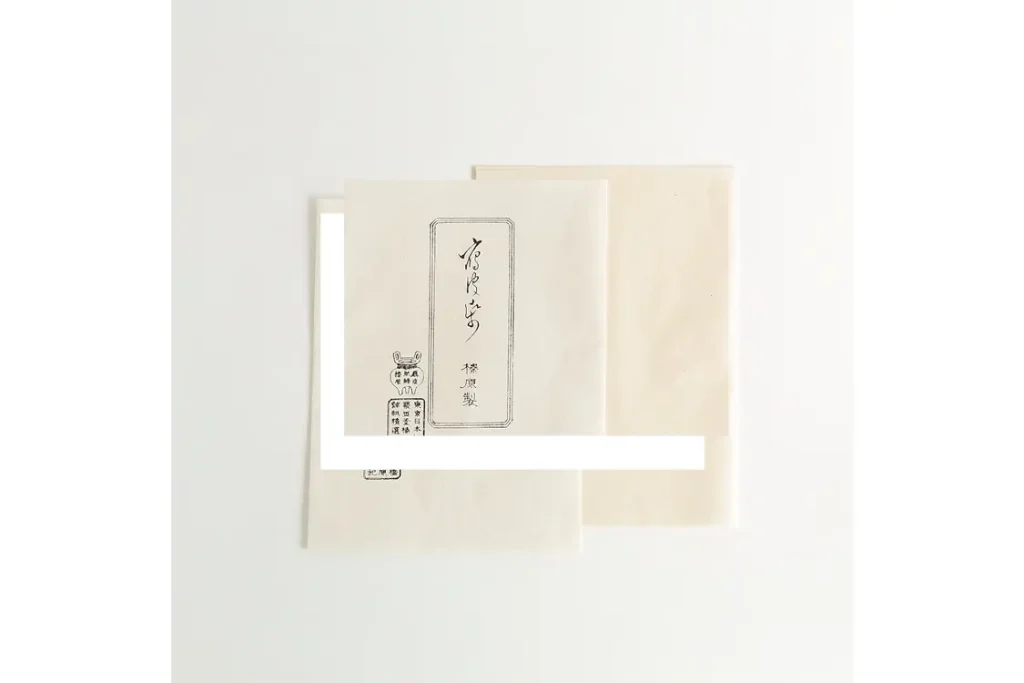
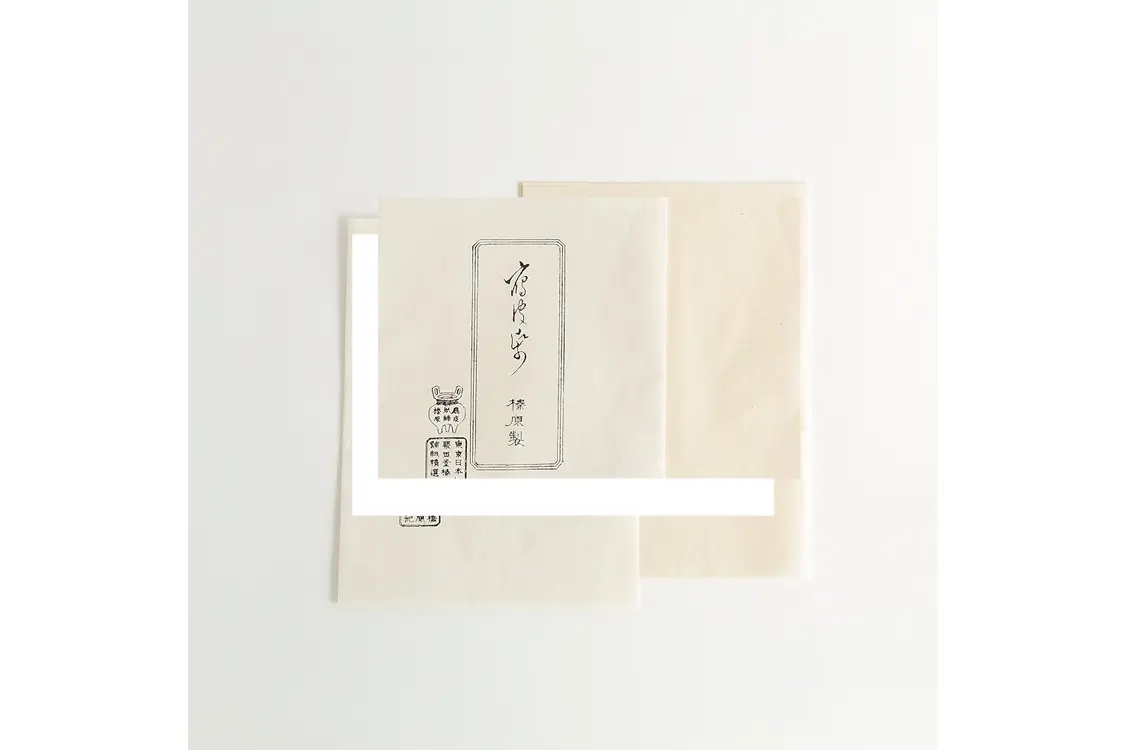
Gampi Paper – Pack of 20 sheets.
Gampi paper, a flagship product since the Edo period, has short and fine fibers, giving it a silky smooth feel and glossy texture. It takes ink well, making it ideal for writing letters with a brush. It is also durable enough for permanent preservation, resistant to insects, and unlikely to discolor, so many cultural artifacts preserved in museums use gampi paper.
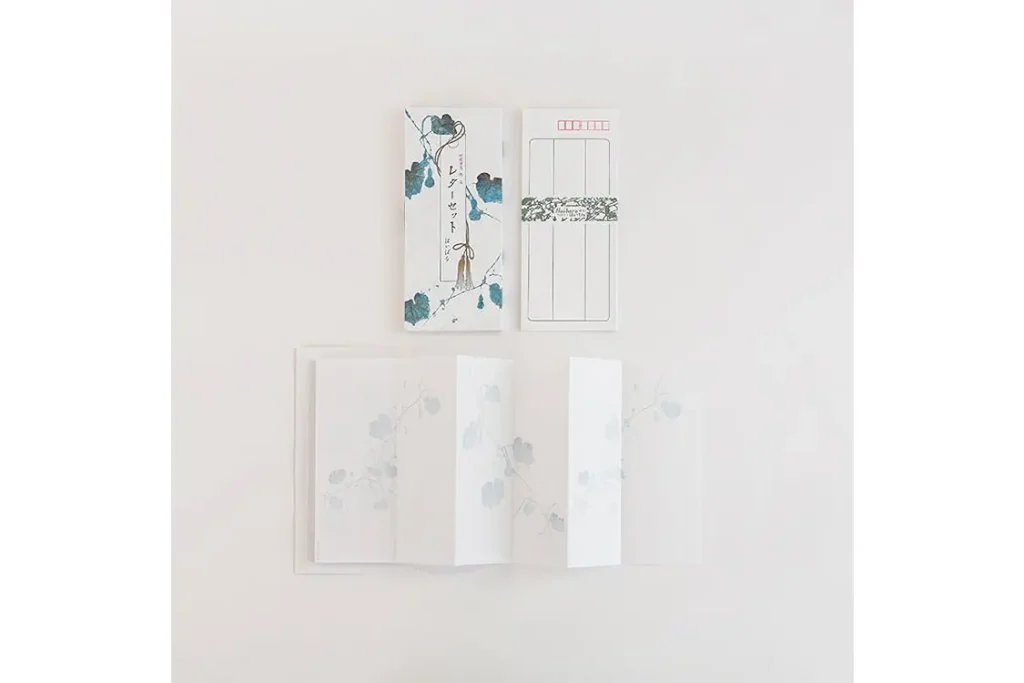
Accordion Writing Paper – Gourd Letter Set.
The accordion writing paper was inspired by scrolls. Each fold has perforations, allowing users to tear off the exact length needed—from a short note to a long letter. A palm-sized mini accordion paper, ideal for message cards, is also available. (60 sheets of writing paper, 5 envelopes)
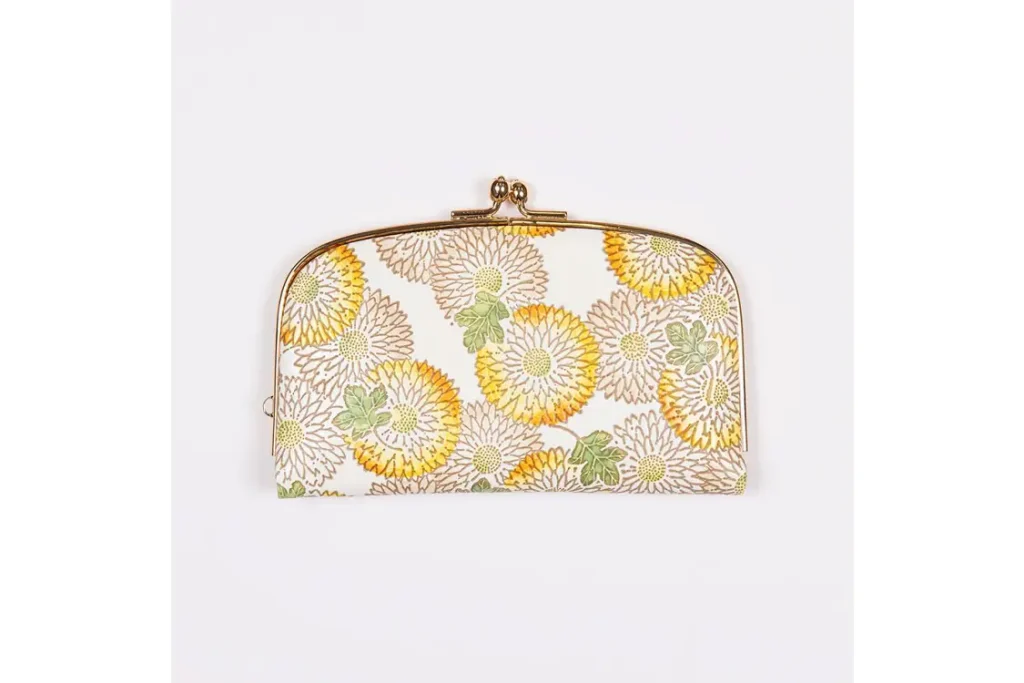
Haibara Leather Goods – Tengō Gamaguchi – Chōyō – Yamabuki.
A coin purse made of “bunkogawa” leather featuring beautiful Haibara designs. Bunkogawa is a traditional craft in which pure white tanned cowhide is embossed, then hand-colored by craftsmen, and finally aged with lacquer. A pass card holder in the same design is also available.
Spot Overview
| address (e.g. of house) | |
|---|---|
| phone | |
| Business Hours | |
| regular closing day | |
| Payment Method | |
| External Links |