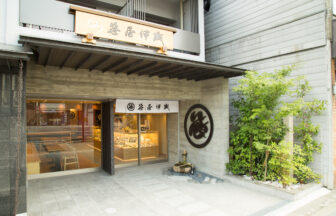


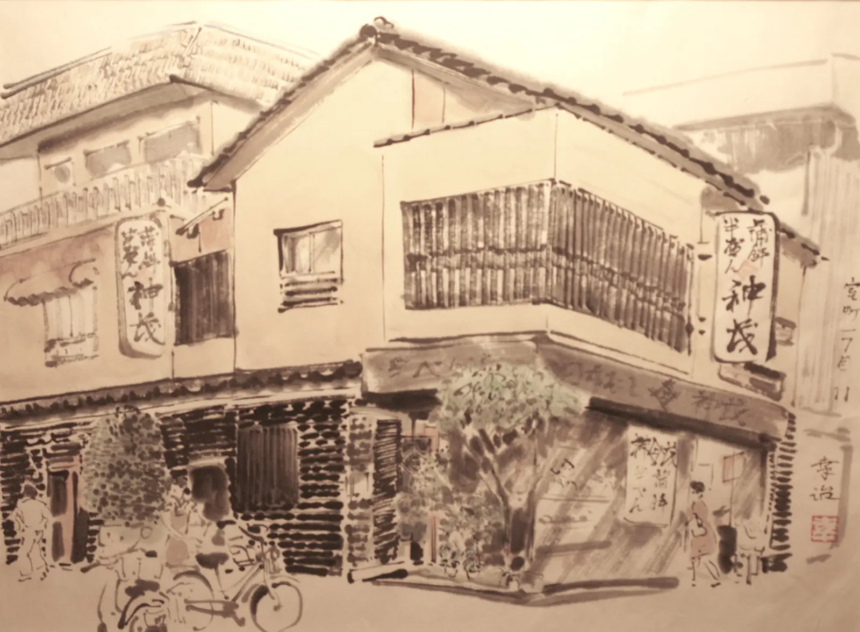
Founded in the first year of Genroku (1688)
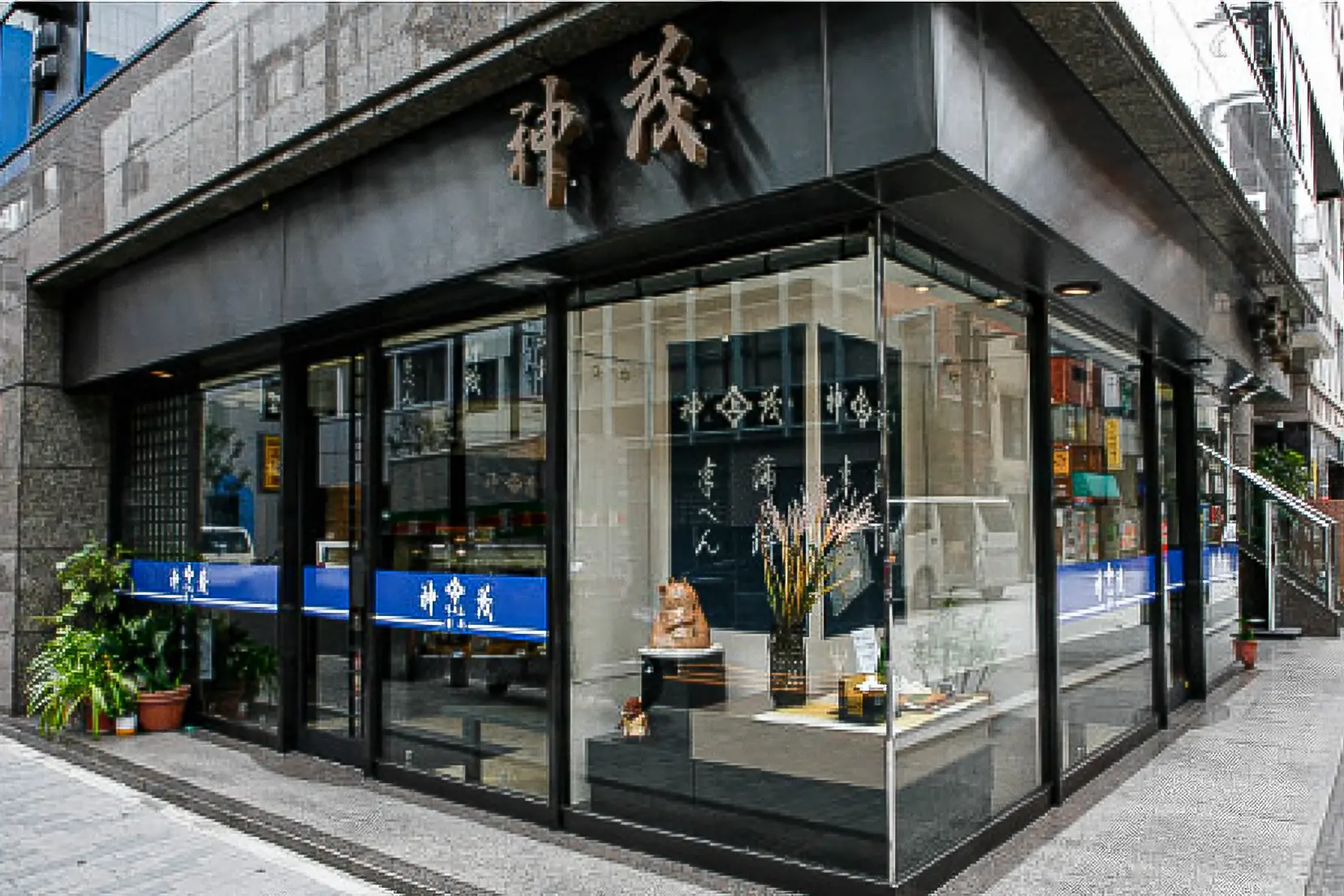
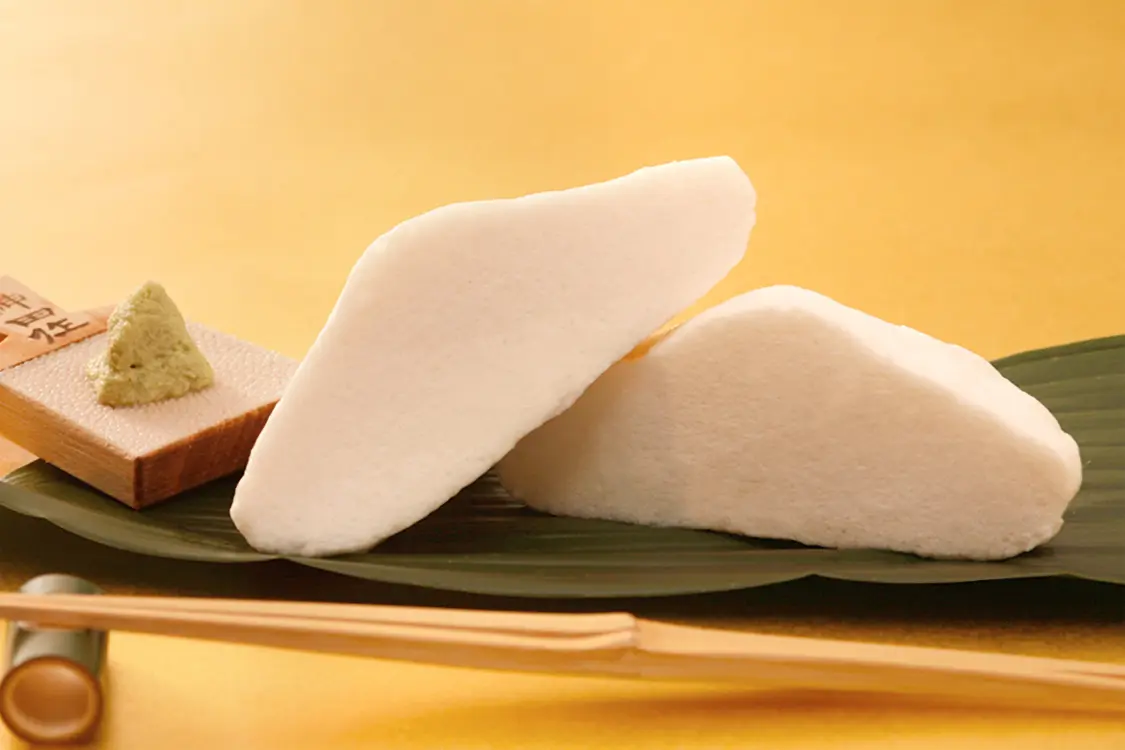
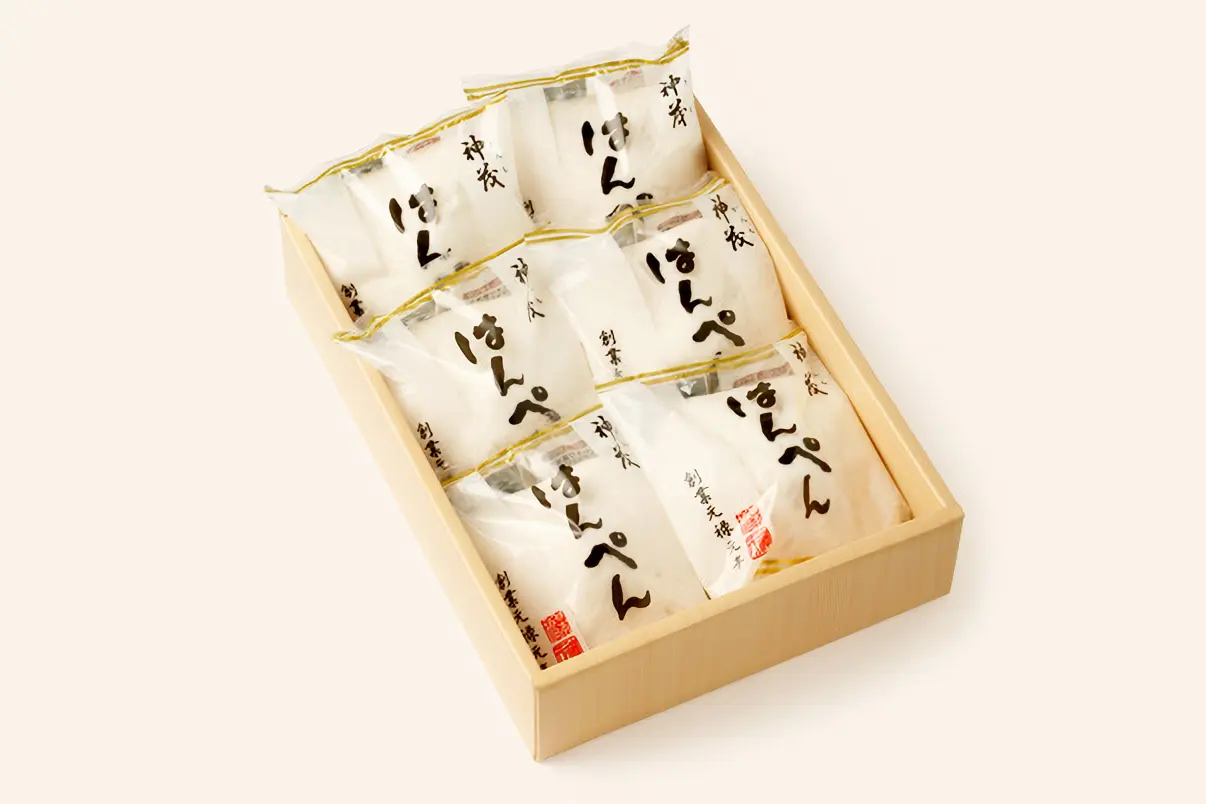
Traditional hanpen and kamaboko loved for over 300 years
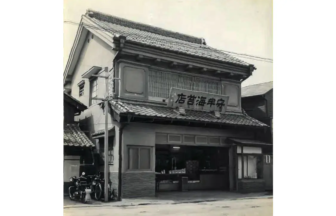
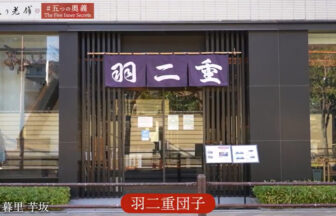
A famous store for hanpen and kamaboko that has continued for over 300 years in its founding place, Nihonbashi. Blue sharks and thresher sharks, the raw ingredients for hanpen, are purchased daily from fishing ports across Japan including Kesennuma, and skilled craftsmen at the main store prepare and process them.Because blue sharks are caught in small quantities and more companies are switching to cod instead, Shinshige still protects the traditional flavor using the original ingredients and methods.With the skill of master craftsmen, each hanpen is carefully shaped using wooden molds and a tool called “sekkai,” and the boiled hanpen has a fluffy, light texture like soft snow.Also, the famous kamaboko, like the hanpen, was appointed as the official supplier to the Imperial Household Ministry during the enthronement of Emperor Meiji, Emperor Taisho, and Emperor Showa.In addition, they offer a wide variety of fish paste products such as satsuma-age, tsumire, and yoro-age.
History
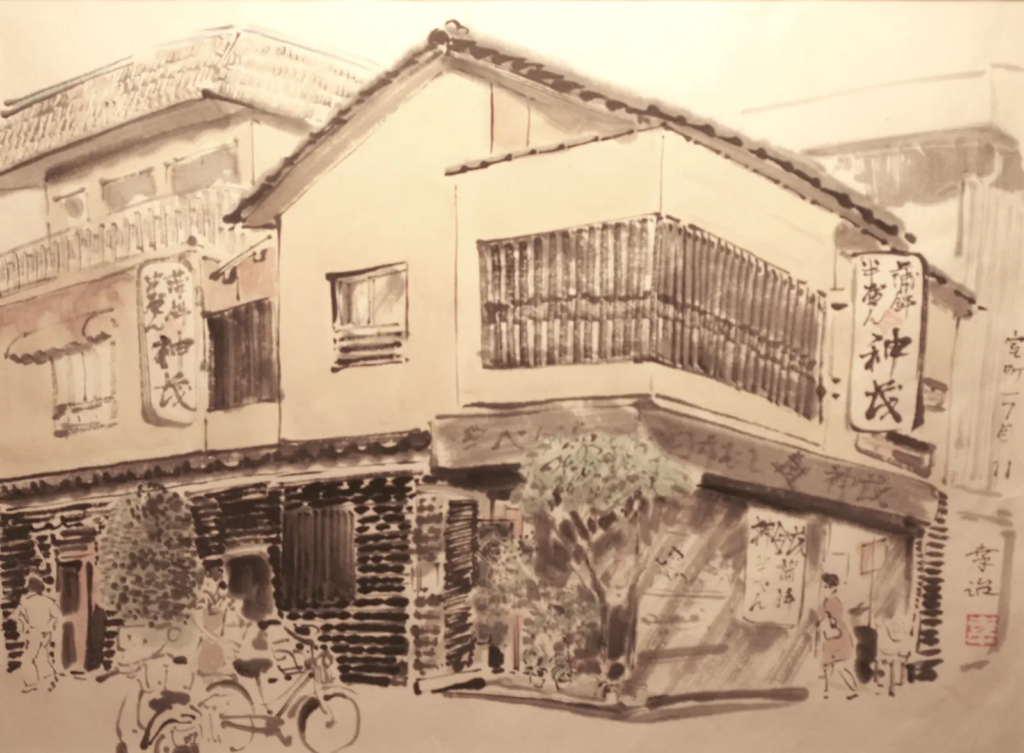
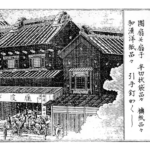
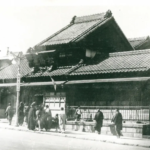
Hanpen and kamaboko have been made in Nihonbashi, where there used to be a fish market, since the first year of Genroku (1688).At the time of its founding, shark fins were an important export item of the shogunate, so hanpen making began by using the rest of the shark after the fins were removed.Because the founder was from Kanzaki in Osaka, the business name “Kanzakiya” was used during the Edo period, but later each successor inherited the name Kanzakiya Mosaburo, and during the Meiji period the business name was changed to “Shinshige.”
This Notable Item
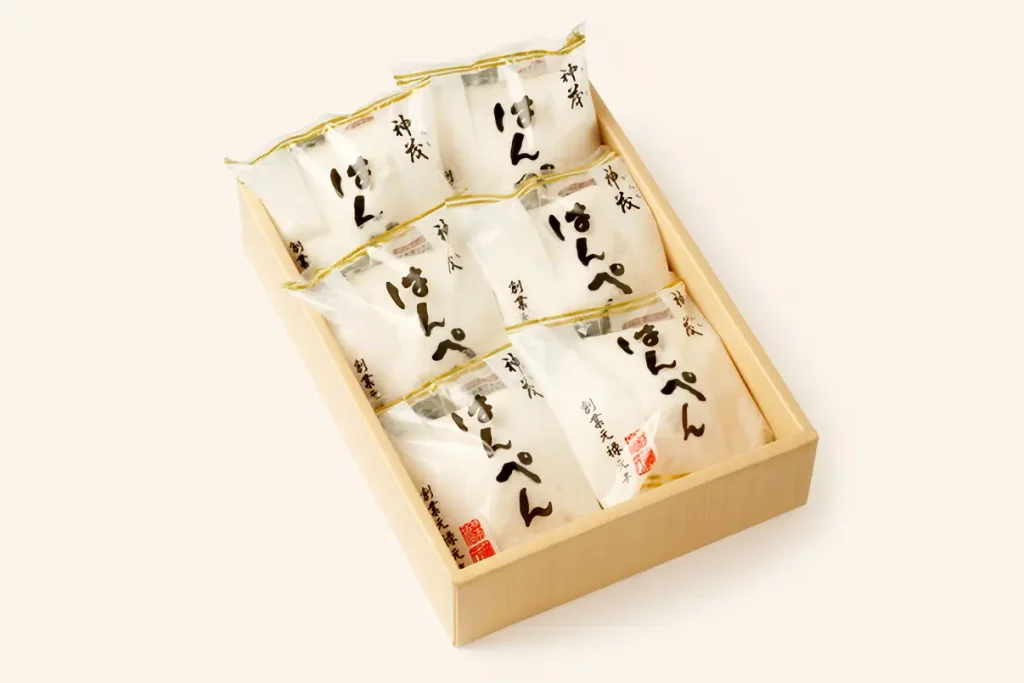
“Tedorihanpen” Assortment
2,527 yen
A set of six pieces of the signature product “Tedorihanpen.” Shinshige’s hanpen is characterized by a blend of 60% thresher shark, which has soft flesh, and 40% blue shark, which has strong umami flavor.The fluffy hanpen filled with air spreads the delicious fish flavor throughout your mouth the moment you take a bite.If eaten raw, wasabi soy sauce is recommended; if lightly grilled, ginger soy sauce is recommended.You can purchase from a single piece, and orders can also be placed through the official website.
Spot Overview
| address (e.g. of house) | |
|---|---|
| phone | |
| Business Hours | |
| regular closing day | |
| Payment Method | |
| External Links |