

Shinto shrineHachioji, Machida, Fuchu
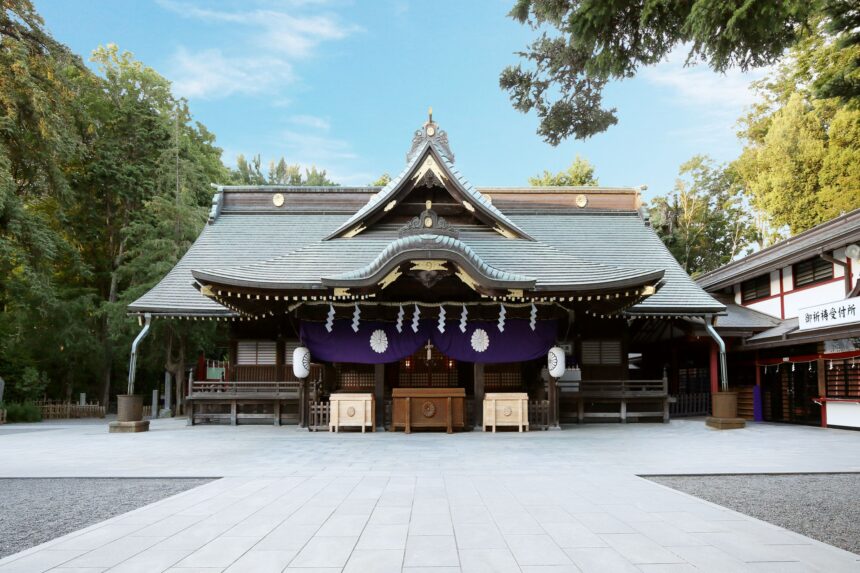
Okunitama Shrine (Fuchu, Tokyo)(Ookunitama Shrine)
warding off evilMinamoto no Yoriyoshimarriage
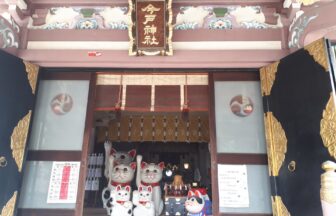
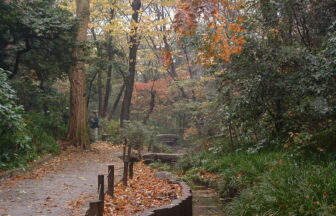
The main deity enshrined at the shrine is Okunitama-no-okami, the guardian deity of Musashi Province. According to shrine legend, the shrine was founded by an oracle during the reign of Emperor Keiko, and it is said that Minamoto no Yoriyoshi and his son Yoshie prayed at the shrine on their way to conquer the Mutsu region in 1062 (Kohei 5), and on their way home from the conquest, they planted a row of zelkova trees as a token of gratitude for their prayers being fulfilled. The shrine was called “Musashikuni Sosha” or “Rokushomiya” in the late antiquity, as it was a powerful shrine near the national capital of Musashi Province. 5 May is famous for the festival called “Kurayami Matsuri” (the procession of the portable shrine has been held in the evening since 1961). The festival is popular for its blessings for matchmaking and for driving away bad luck and evil spirits. (Image courtesy of Okunitama Shrine)
Spot OutlineOutline
| address (e.g. of house) | 3-1 Miyamachi, Fuchu-shi, Tokyo |
|---|---|
| Access | 5 minutes walk from Fuchu Honmachi Station on R Nambu Line and Musashino Line, 5 minutes walk from Fuchu Station on Keio Line |
| phone | 042-362-2130 |
| Business Hours | 6:30 – 17:00 (September 15 – March 31) / 6:00 – 17:00 (April 1 – September 14) * Opening hours |
| External Links | |
| Founding and opening of business | 111 (41st year of the reign of Emperor Keiko) |