When did the Hina Matsuri (Peach Festival) begin?

Other Traditional & Japanese Culture

When did the Hina Matsuri (Peach Festival) begin?(hinamatsuri).

Dolls’ Festivalpeach festival

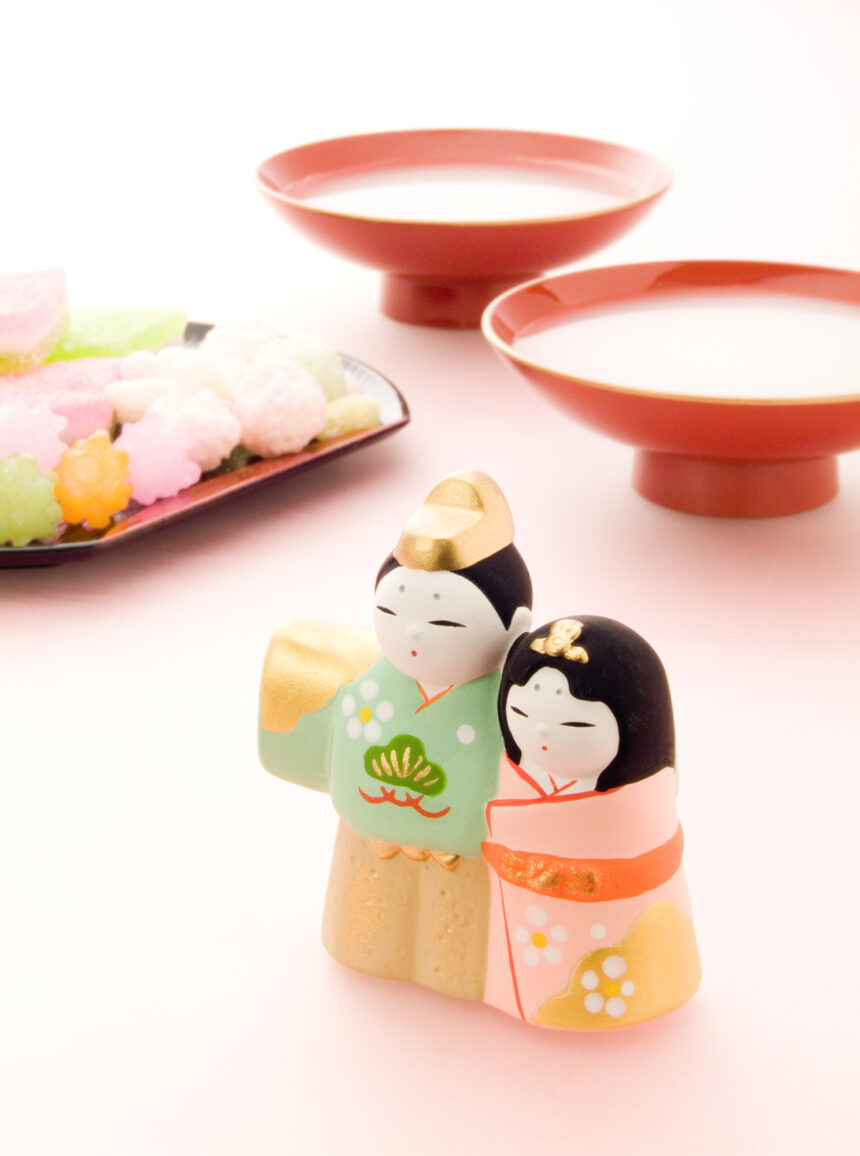
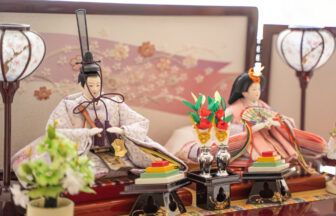
It is also called Joushi-no-Sekku or Momo-no-Sekku (Peach Festival). There are various theories about the origin of Hinamatsuri, but it is believed to be a fusion of the custom of entrusting misfortunes to “hitokata” (dolls) and throwing them into the river, Hiina-asobi (a game played with a pair of small paper dolls, male and female) in the Heian period, and Kami-no-Sekku on March 3 (when people used to transfer dirt from their bodies to dolls to ward off bad luck). In the Edo period (1603-1867), the event became a festival to wish for the healthy growth of girls. Hina dolls and peach blossoms are decorated and celebrated with water chestnuts, hina arare (sweetened rice cakes), and white sake.

新着・おすすめ情報

  1. Former Iwasaki Residence

  2. Ruins of Hachioji Castle

  3. Ome Shinmachi Oido (Ome, Tokyo)

  4. Kansai-style sushi (esp. pressed sushi, such as battera)

  5. Shinjuku Suehirotei (Shinjuku, Tokyo)

  6. clothes for a newborn baby

  7. What is the difference between “Ginjo-shu” and “Junmai Ginjo-shu”? Words related to sake

  8. lined kimono

  9. Metropolitan Takiyama Park, Ruins of Takiyama Castle

  10. 麻布・赤坂・六本木

  11. soba water

  12. Toyokawa Inari Tokyo Betsuin (Akasaka, Tokyo)

  13. yukata (light cotton kimono worn in the summer or used as a bathrobe)

  14. Kakurinji Temple (Shirokanedai, Tokyo)

  15. Ruins of Suzugamori Penitentiary (Omori, Tokyo)