Tokyo Literature WalkMeguro, Setagaya
Part 5: Literary figures of the Showa period settled in Shimokitazawa one after another. Why Shimokitazawa became a town of culture
Shimokitazawa BunshichoKeio LineAngo Sakaguchiname of a famous Buddhist nunOdakyu LineToshikazu YokomitsuJunzo Watanabe
From classics to poetry to entertainment, there are many places in Tokyo associated with literature. Some are the stages of works, some are the names of places incorporated in works, some are the ruins of writers’ residences, and some are places where important literary movements took place. …… In this corner, Yuma Watanabe (Skezane), a book reviewer, writer, and literary YouTuber, selects such so-called “sacred places” and introduces them to you.
We will be bringing you his commentary on these literary spots, along with reports from his actual tours of the area.
This time, we are in Shimokitazawa. The town of rock, theater, and vintage clothing is actually a town of literature.
Yuma Watanabethree
Book reviewer, book review YouTuber
Literature Walk Navigator
While working as a scenario writer at a game company in Tokyo, he has been active as a writer, book reviewer, and book review YouTuber since 2021. He is in charge of the Mainichi Shimbun’s Literary Review (from April 2022). He is the author of “Monogatari no kagi: 38 hints that make reading 10 times more fun” (Kasama Shoin).
Shimokitazawa highly rated by the world-class city guide “TIME OUT
TIME OUT” is a city guide published in London since 1968, and is now available in 40 cities in 35 countries around the world. In the 2022 edition of “The 51 coolest neighborhoods in the world,” Shimokitazawa was ranked 7th in the world. The ranking was based on interviews with 20,000 of the world’s coolest urbanites and experts in various fields, and Shimokitazawa was chosen for its good food, variety of entertainment, cultural richness, and importance to the community. By the way, the world’s number one city is Colonia Americana in Guadalajara, Mexico. Shimokita is the best in Japan, which is not surprising.
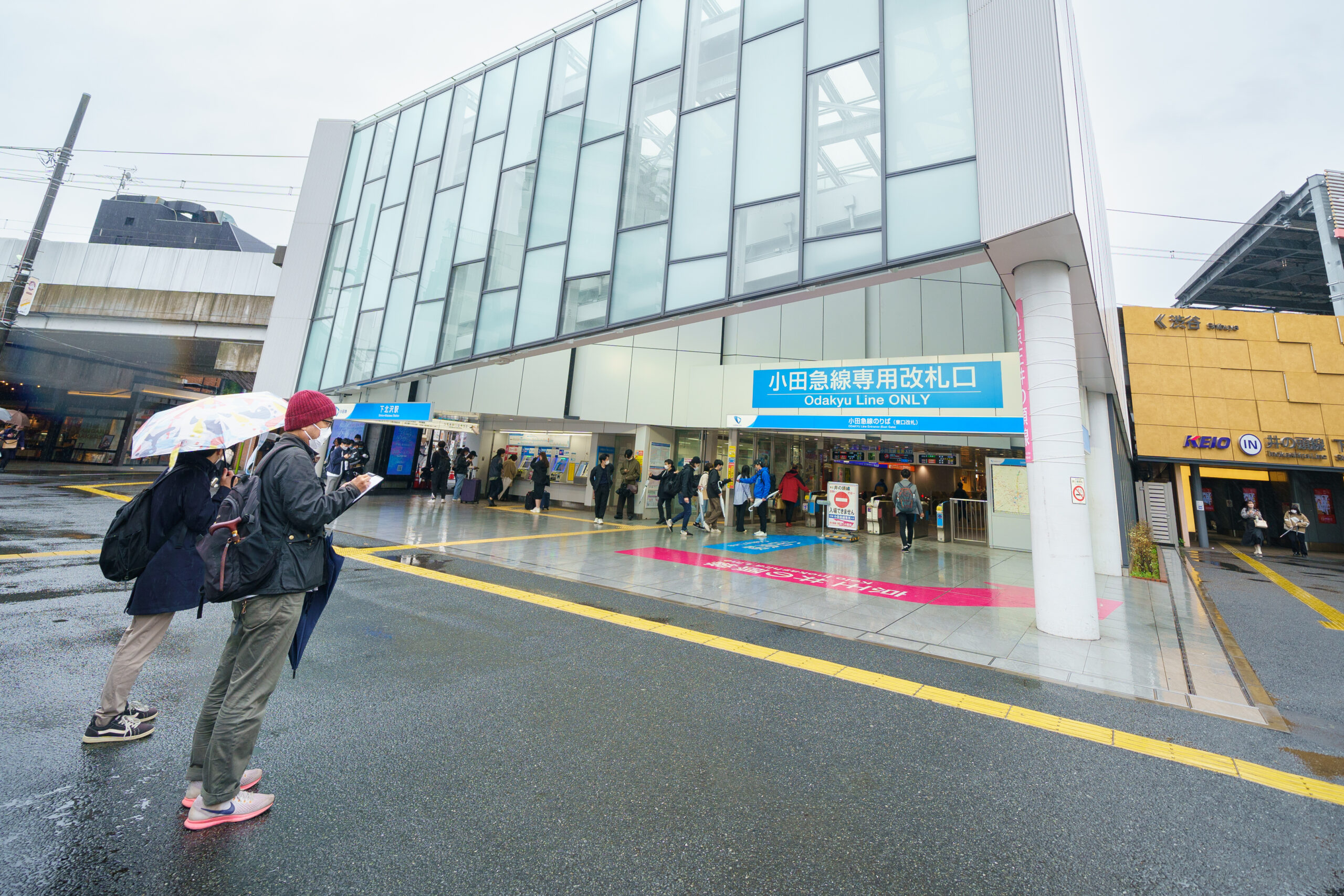
When we got off the train at the Odakyu/Keio Shimokitazawa Station, the starting point of the tour, we were frankly surprised and asked “Where am I? was the frank impression of the reporters when they got off at the Odakyu/Keio Shimokitazawa Station, the starting point of the tour. The plaza in front of the station was much different from that of about half a year ago.
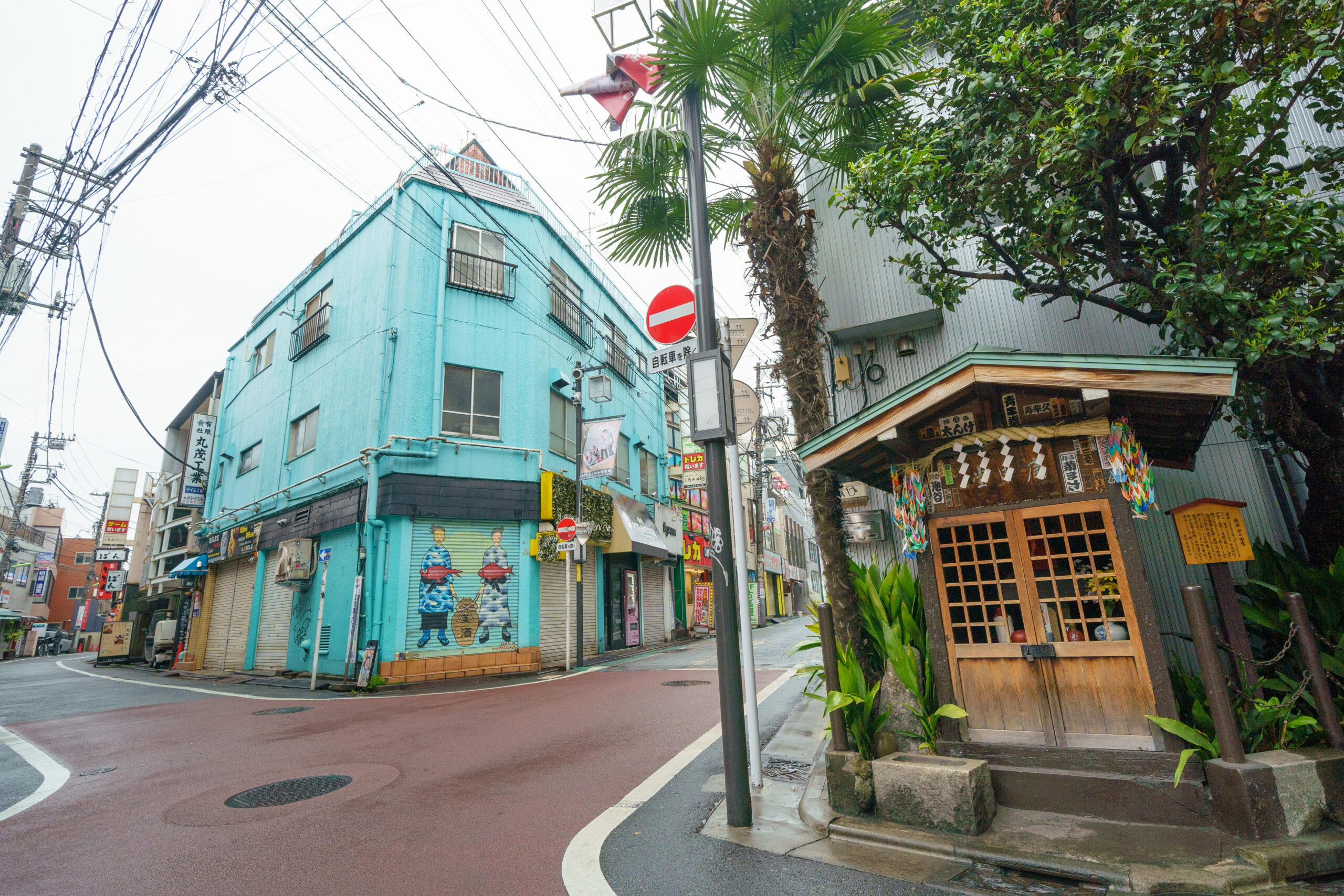
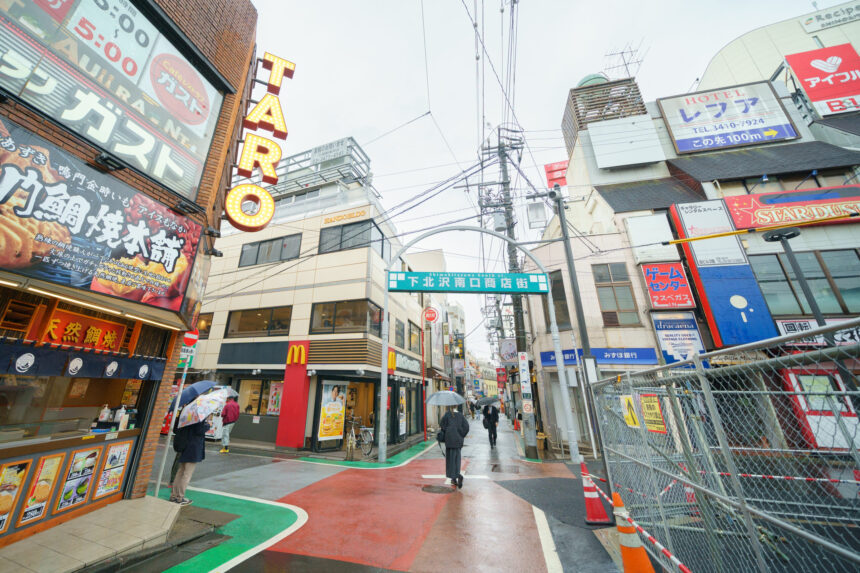
And then I walked on to the Shimokitazawa south exit shopping street. As I wandered around, I noticed that many of the buildings and tenants had changed, but the general appearance of the town was the same as the Shimokitazawa I knew. There are theaters, live music clubs, record stores, vintage clothing stores, and coffee shops. Before such cultural and fashion elements, Shimokitazawa was also a town with unique antiquarian bookstores. The area around this green building was the site of a famous prewar store.
Jun San Watanabe Daido
Junzo Watanabe is a poet born in 1894. Born into a poor family of fallen samurai, he worked in a furniture shop in Kanda from an early age and began his career as a poet in 1913. He began his career as a poet in 1913, and wrote about his own circumstances in his first collection of poems, “Poems of Poverty,” published in 1924.At that time, proletarian literature was at its height, and Watanabe, who was himself a worker, joined the movement with the magazine “Tanka Senzensen” (Tanka Front) and its successor “Tanka Hyoron” (Tanka Review). In 1938, “Tanka Hyoron” ceased publication amidst severe government repression. In the same year, Watanabe opened a used bookstore “Daichi-Do” in Shimokitazawa. The store was well received, but he was forced to temporarily evacuate the area due to the war.After the war, the business resumed in Shimokitazawa. Watanabe continued to run the store as its owner until he handed it over to the poet Jiro Niki. Today, Shimokitazawa is home to many well-known antiquarian bookstores, and it can be said that this store was the pioneer of such stores.
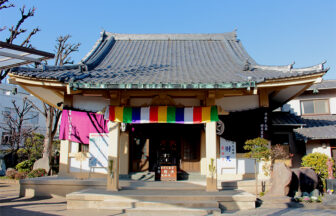
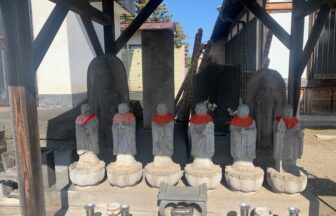
There is something Shimokitazawa-like about the empty beer and sour cans discarded in front of the shuttered artwork signed in 2004, the shuro tree towering on the corner across from it, and the cleanliness of the koshindo (temple of the Goddess of Mercy).
The ever-changing cityscape at every turn
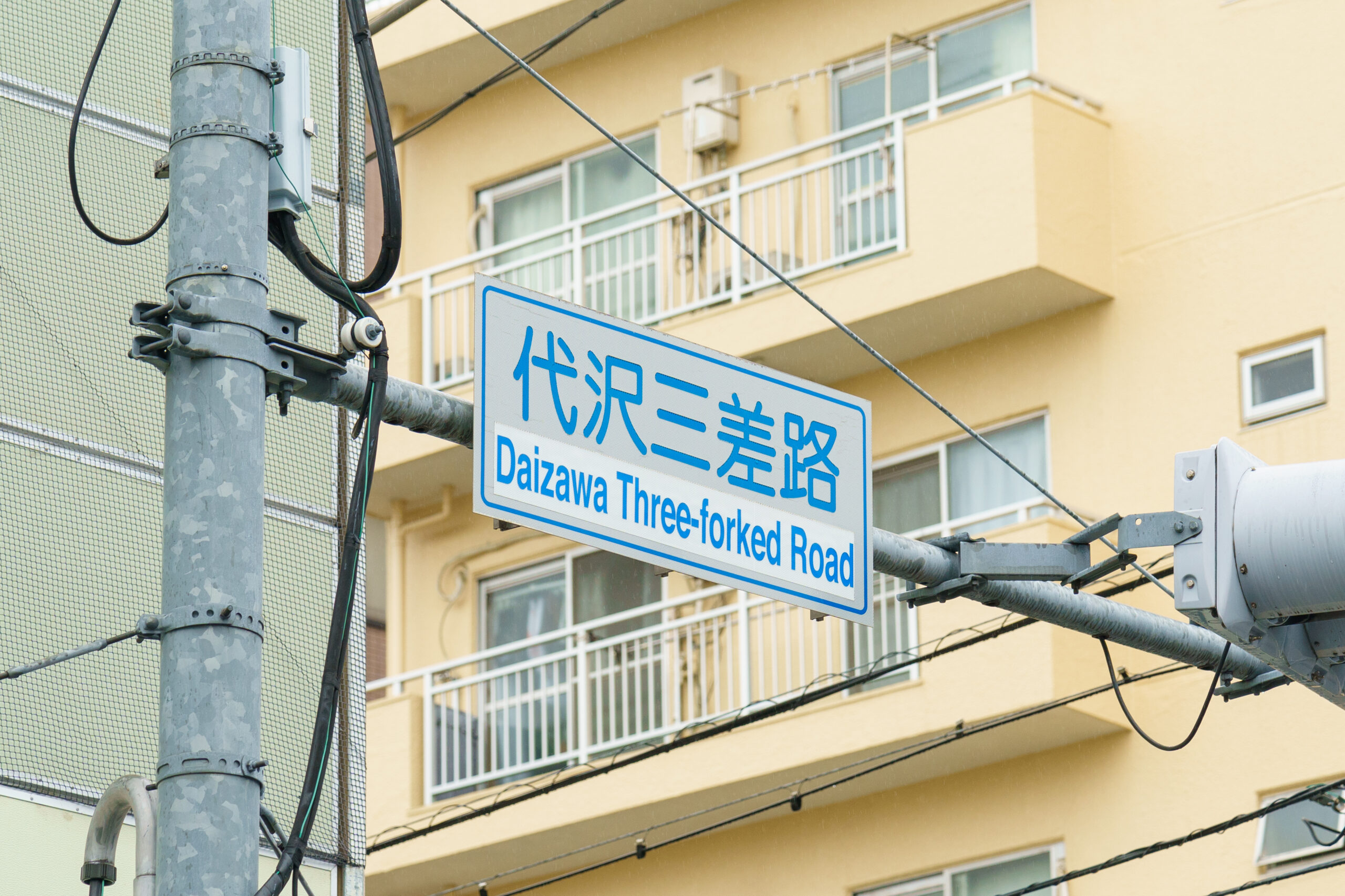
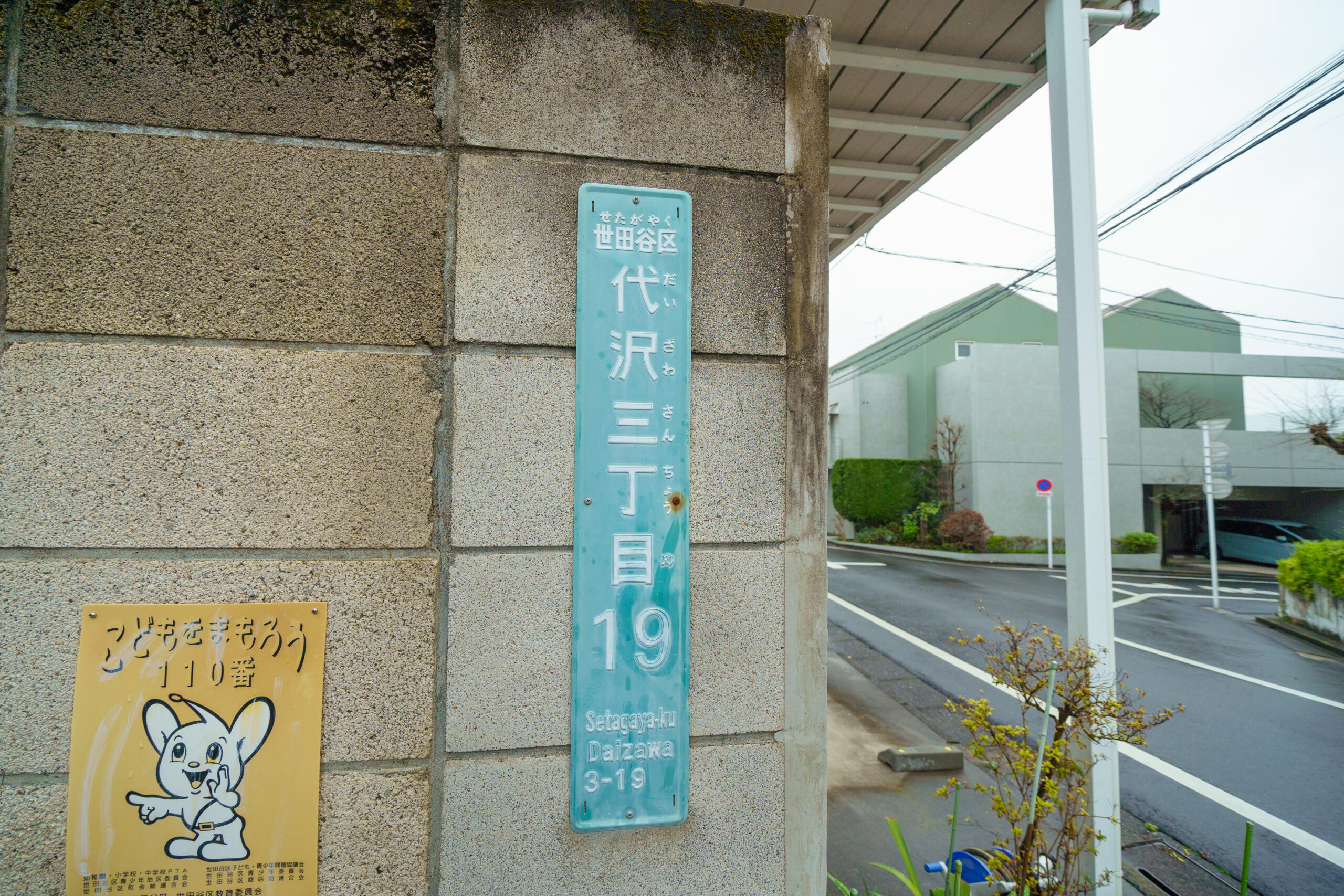
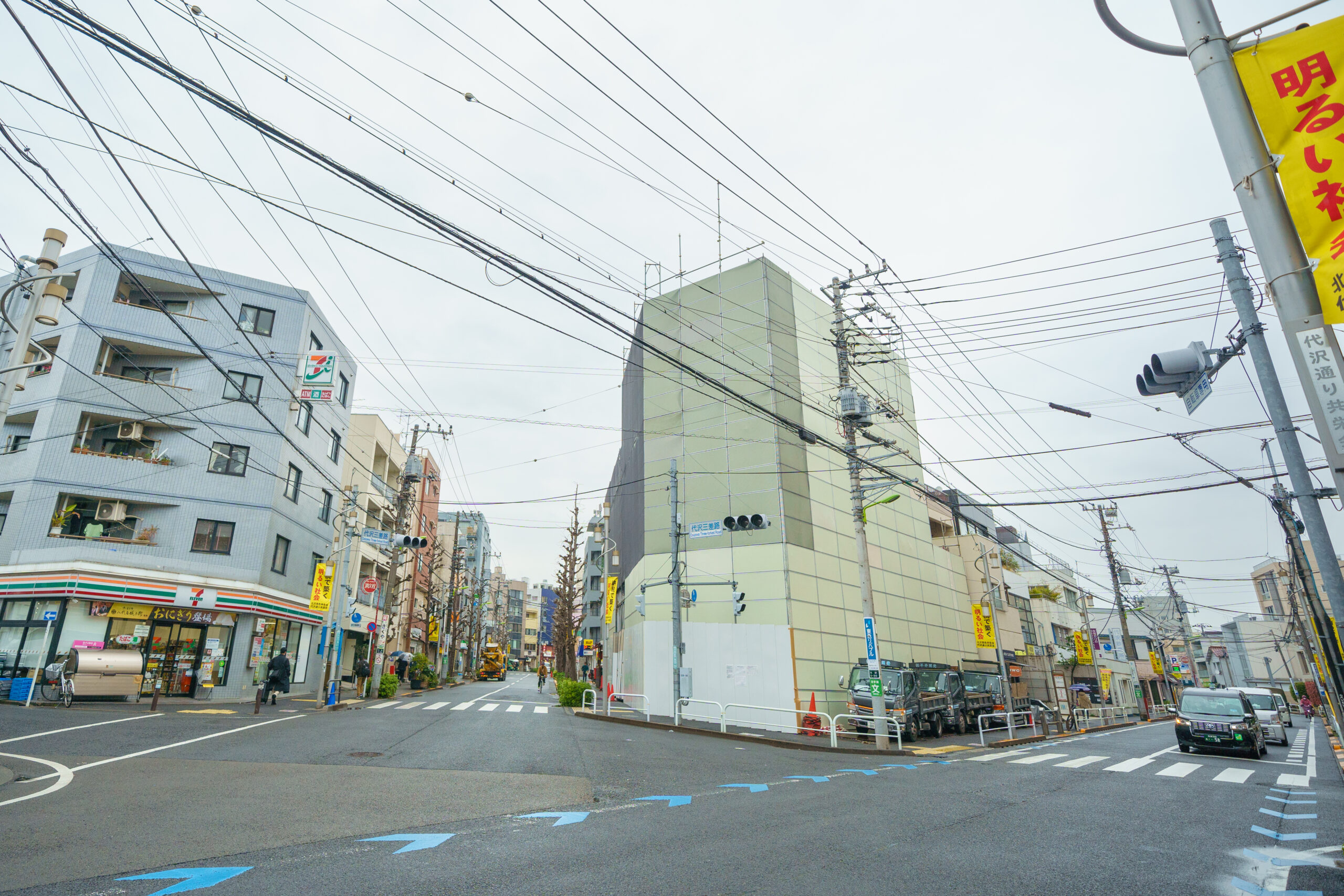
However, the scenery changes drastically as one passes through the Shimokitazawa South Exit shopping street. At the end of a complicated six-way junction, beyond the Shimokitazawa Loft, a long-established live house where Tamori and Southern All Stars have performed, there is a two-way street. More and more condominiums and private houses are being built. The residential atmosphere becomes even stronger as the street comes to an end at the Daizawa three-way junction and exits onto Chazawa-dori.
Although pedestrians were the main players in the shopping street, Chazawa-dori has a lot of traffic, and the sidewalk is completely separated from the roadway. Walking along the sidewalk, it takes about 10 minutes from the station to reach the rows of cherry trees along the Kitazawa River Greenway. At the corner of Chazawa-dori and the greenway is Daizawa Elementary School.
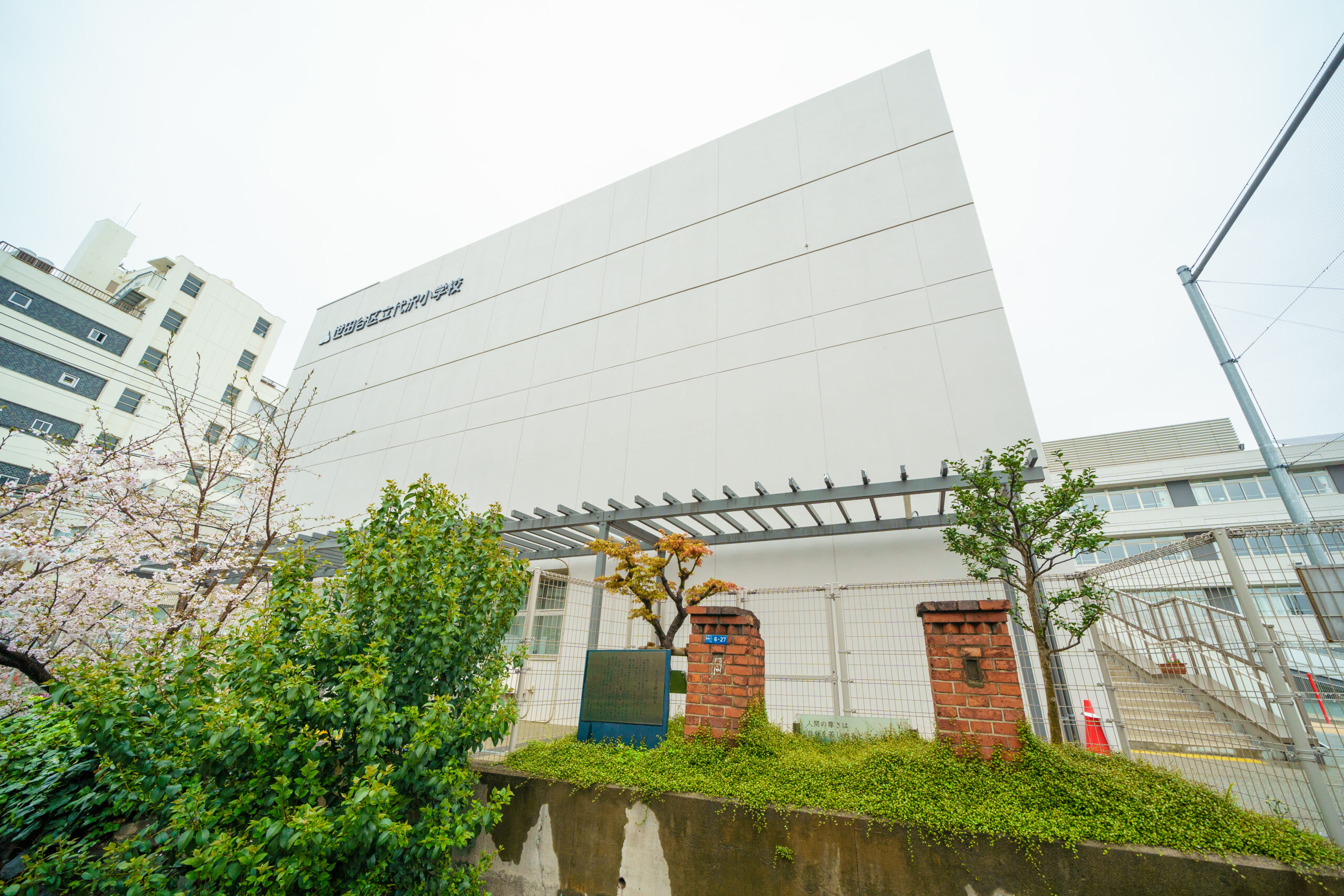
Ango Sakaguchi Workplace (Daizawa Elementary School) & Literature Monument
Ango Sakaguchi worked as a substitute teacher at the Shimokitazawa branch of Ebara Jinjo High School (present-day Wakabayashi Elementary School) for one year from 1925. Ango, who was 20 years old at the time, was called “Anko sensei” (teacher Anko) by the children and seemed to be well-liked by them.In “Wind, Light, and Twenty Years of Me,” he writes, “I was a substitute teacher in a place called Shimokitazawa in Setagaya, which at that time was called Ebara Ebara-gun, which was completely Musashino, and after I stopped teaching, Odakyu was built and the area opened up, so there were bamboo thickets everywhere. After I quit teaching, Odakyu was built and the area opened up, so there were bamboo bushes all over the place.
Note that the brick gateposts are not from the old school, but were moved from the former Ango Sakaguchi residence in Ota Ward.
In the Showa period (1926-1989), many writers settled in the “Shimokitazawa Bunshicho” area.
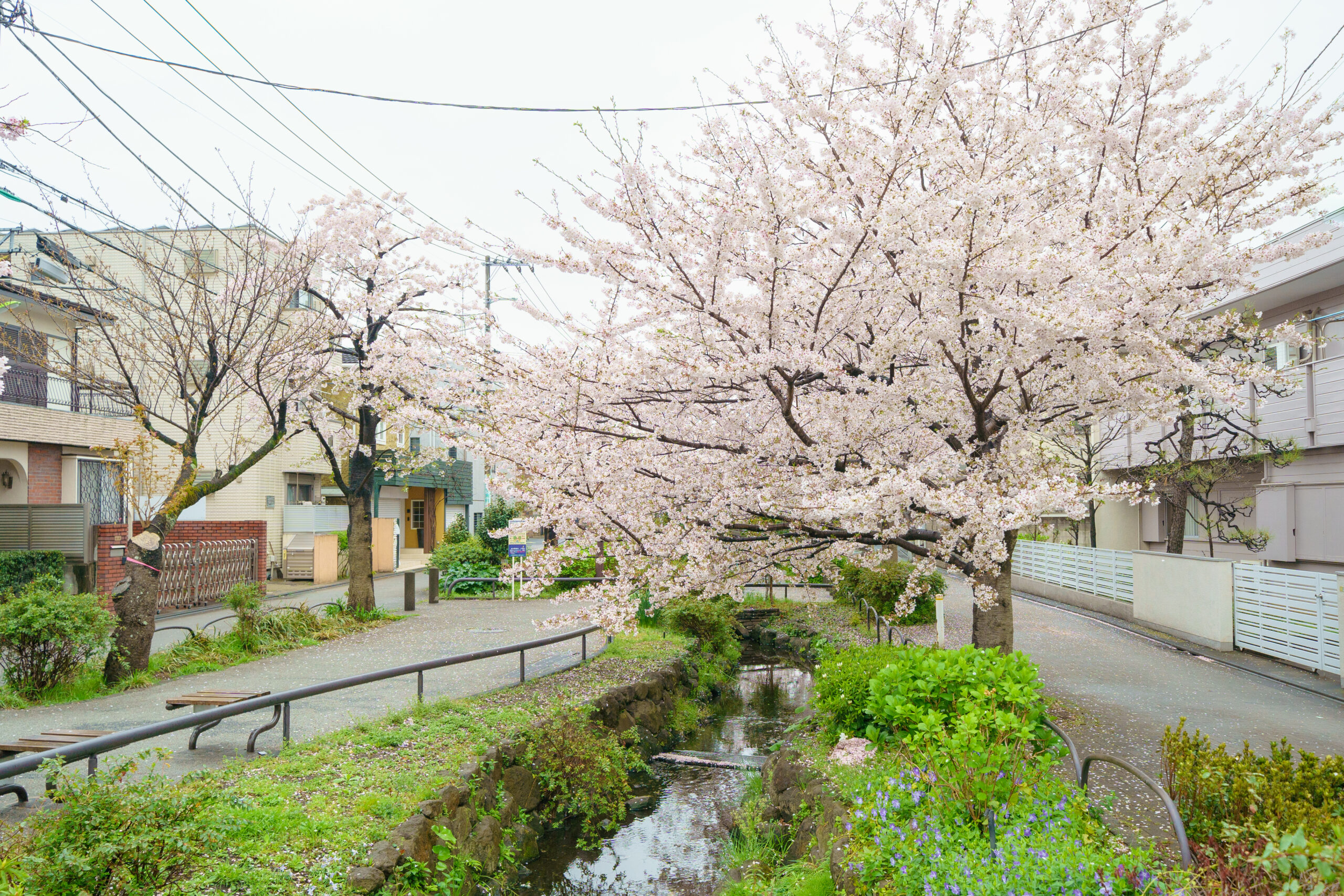
The path continues along the Kitazawa River Greenway with Ango’s gatepost and literary monument at the side. Although the river is completely culverted, a murmuring stream has been recreated along the greenway, and rows of cherry trees continue. Here, the scenery changes once again. Along the cobblestone-paved roadway are rows of elegant homes that have been carefully selected for their architecture.
As we walked along the greenway, we could see the names of the bridges that used to be left behind on each intersecting road: Nakashita-bashi, Ippon-bashi, Inari-bashi, and Yamashita-bashi. Then we could see the monument along the greenway.
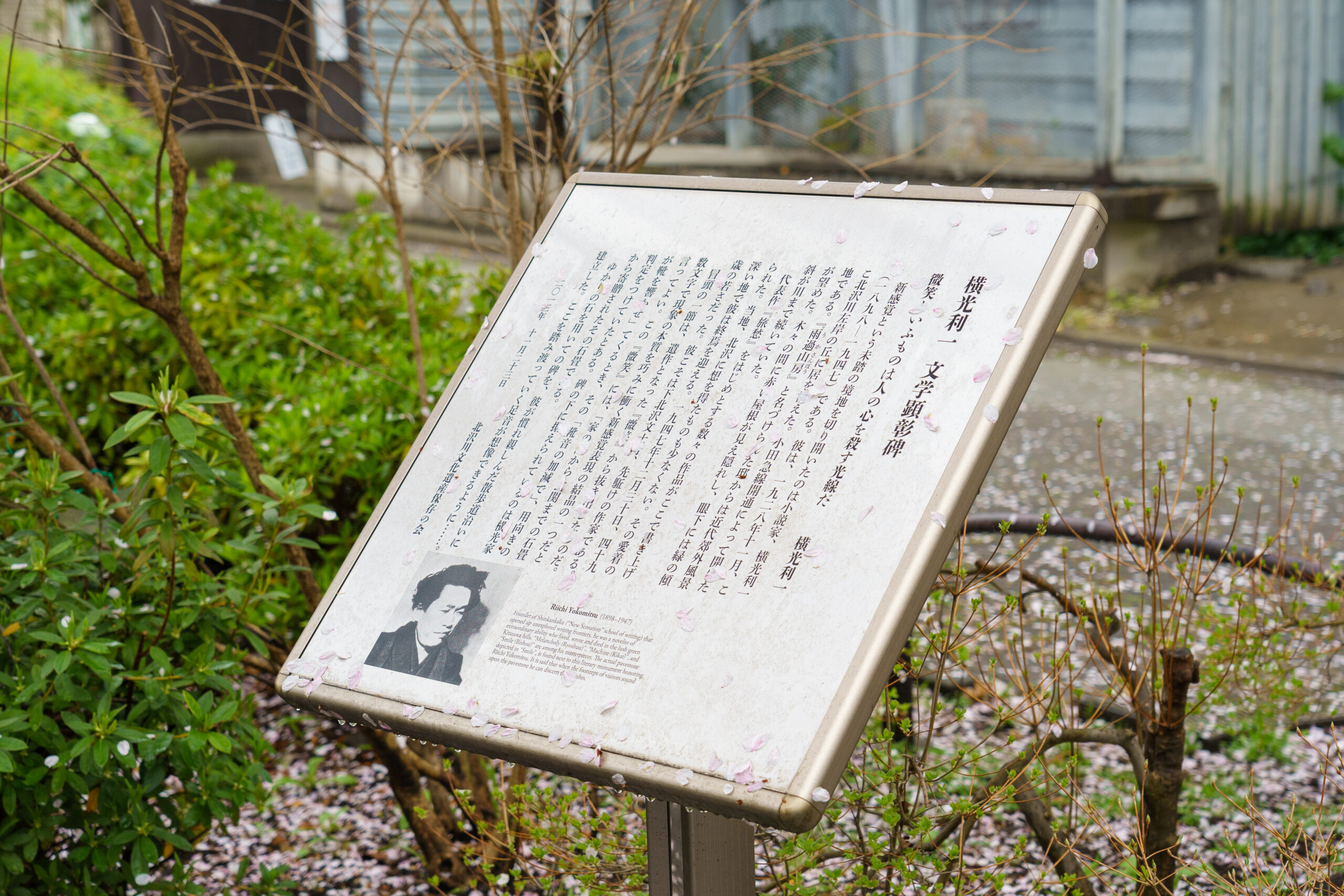
Monument in honor of Riichi Yokomitsu
After the Meiji Restoration, Japan imported various cultures from the West. Throughout the Meiji and Taisho eras, the country was more concerned with learning new Western civilization than with tradition, but with the Great Kanto Earthquake and the subsequent recession, it lost sight of the foundation on which it stood.At that time, a great movement spread among literary figures. Some threw themselves into the proletarian movement, while others created a new literary trend to capture mechanical civilization as it was. This was called the “New Sensory School,” and its standard-bearers were Kawabata Yasunari and Yokomitsu Toshikazu.Yokomitsu moved to Kitazawa in 1928, just as the Odakyu Line had opened the year before and the area was beginning to be developed. Yokomitsu was probably searching for new literature in this area where nature and civilization were at odds with each other.
The two stones under the foot of the monument are made of Teppei stone, which is the stone pavement leading to the entrance of Yokomitsu’s residence, named “Amagaseyama-bo. Please visit the site to see the actual stone pavement, which is said to have been walked on by Kikuchi Kan and Kawabata Yasunari.
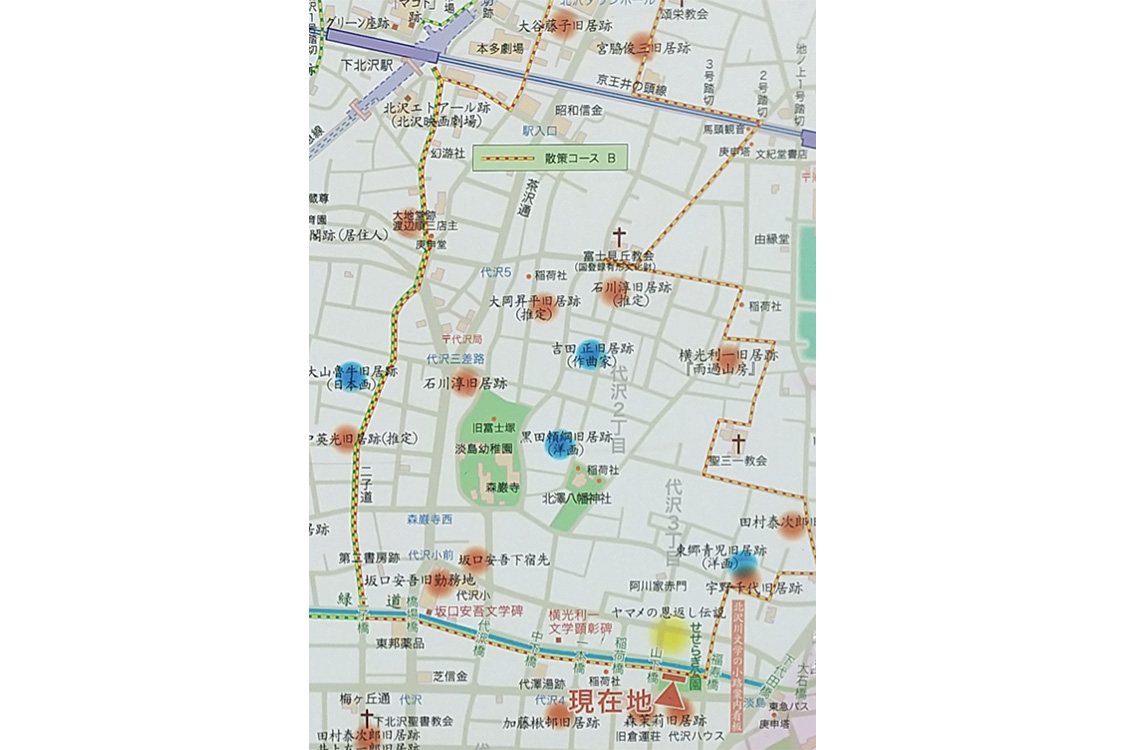
Further along the greenway, we found a map called “Shimokitazawa Bunshicho” (Shimokitazawa Literary Town). Let’s take a look at an excerpt of this area.
With the opening of the Odakyu Line in 1927 and the Teito Line in 1933, many young people began to live in Shimokitazawa, many of whom were aspiring writers.As a result, many writers lived in the Shimokitazawa area, and the “Shimokitazawa Bunkacho Cultural Map” shows the former residences of these writers in meticulous detail.For example, on the north side of Moriganji Temple are the ruins of the former residence of Jun Ishikawa, who lived in Kitazawa for a few years shortly after the war, and nearby are the ruins of the former residences of Shohei Ooka and Ango Sakaguchi. Ishikawa was a writer with a strong backbone who did not simply accept the existing system, as he was described as a “Muori-ha,” and he also strongly admired Ango Sakaguchi, who was also considered a Muori-ha and had lived in the same area. They were indeed punks.Shimokitazawa is known as a town for young people, and this is not the first time this has happened.
Literature comes before theater and rock ‘n’ roll.
It seems that the house of Jun Ishikawa was located near the Daizawa three-way intersection that we just passed. The wooden apartment that Mari Mori called her “apartment” was also located nearby. The apartment is now an apartment bearing the same name, but the coffee shop where she frequented every day is still there, so please take a break from your stroll.
Finally, visit the Honda Theatre, a symbol of Shimokita, a theater town.
The path turns left along the Kitazawa River Green Road at the former Fukuju Bridge and enters a residential area. The Shimokitazawa Literature Walk is a place where one can become familiar with contemporary writers such as Jun Ishikawa, Shohei Ooka, and Mari Mori, who were active from the postwar period to the 1980s.
Our next destination was the former residence of this person, who was often seen on TV and was also involved in cosmetic branding and kimono design.
Former Residence of Chiyo Uno
1897Born in 1949, Chiyo Uno is a forward-thinking woman with a wide range of interests, including novelist, designer, and businesswoman.Known as a woman in love, she was married and divorced four times, each time rebuilding her house. One of these houses was located in Awashima, Setagaya Ward.Uno’s lover at the time was the Western-style painter Seiji Togo, and the main character in Uno’s masterpiece “Shikisange” is modeled on Togo. The overwhelming power of the love story is so strong that it is difficult to imagine.
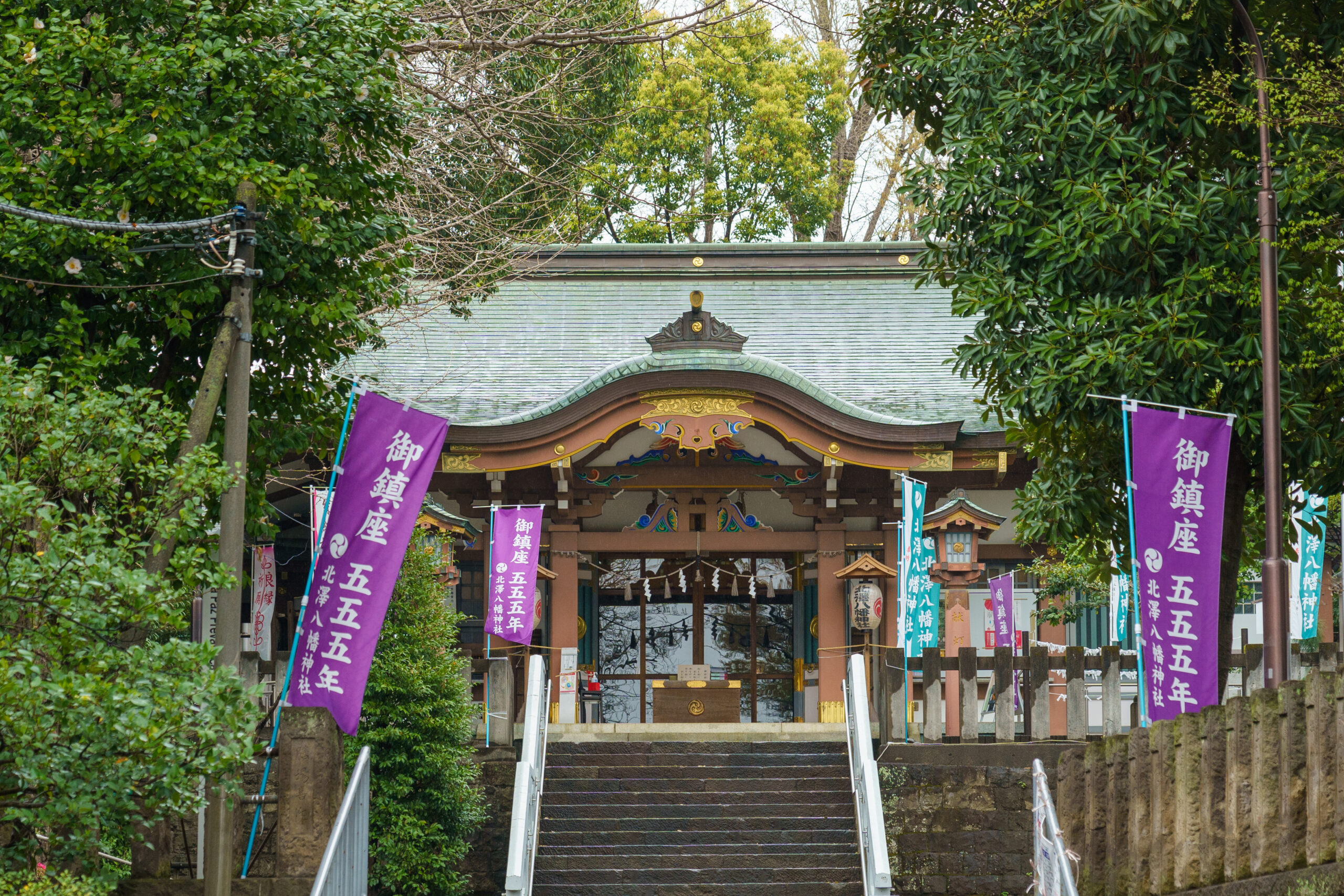
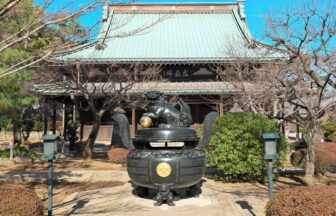
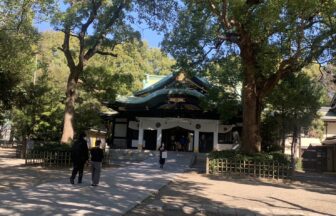
We hope you can only get a sense of the atmosphere of the area. Then, after visiting Kitazawa Hachiman Shrine (come to think of it, the Koshindo in the South Exit shopping street is dedicated to the omu of this shrine!) ), then back to the station after visiting Moriganji Temple, an old temple that has been in operation for 400 years.
It is also good to think about Jun Ishikawa around the Daizawa three-way junction.
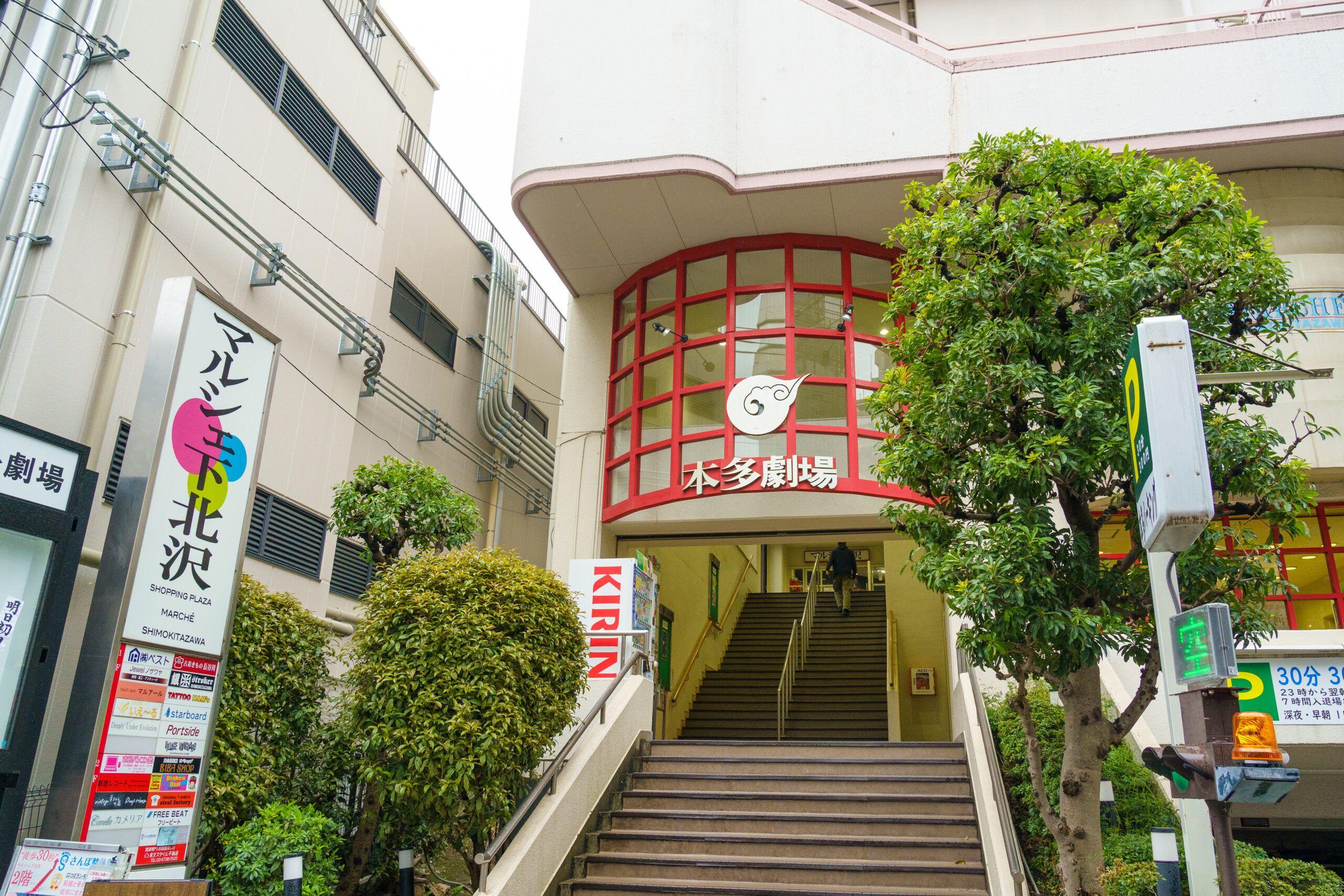
After flowing through the shopping district and returning to the front of the station, a must stop is the Honda Theater.
Honda Theater
Shimokitazawa is known for its theaters. Among them, the Honda Theatre Group, which has eight theaters, including the Honda Theatre, Ekimae Theatre, and Theatre 711, is unique.His birth father was Kazuo Honda. He originally started his career as an actor at Shin Toho, but when the company went bankrupt in 1961, he opened a bar in Shimokitazawa. His bar was crowded with actors from his New Toho days and gained a reputation as “the place where actresses come. Using this ground and connection, he built The Suzunari in 1981 and the Honda Theatre the following year, which led to Shimokitazawa as a theater town.It is also to Honda’s credit that Shimokitazawa cannot be left out as an important stage for stories involving theater, such as Ishida Ira’s “Shimokita Sundaes” and Matayoshi Naoki’s “Gekijo.
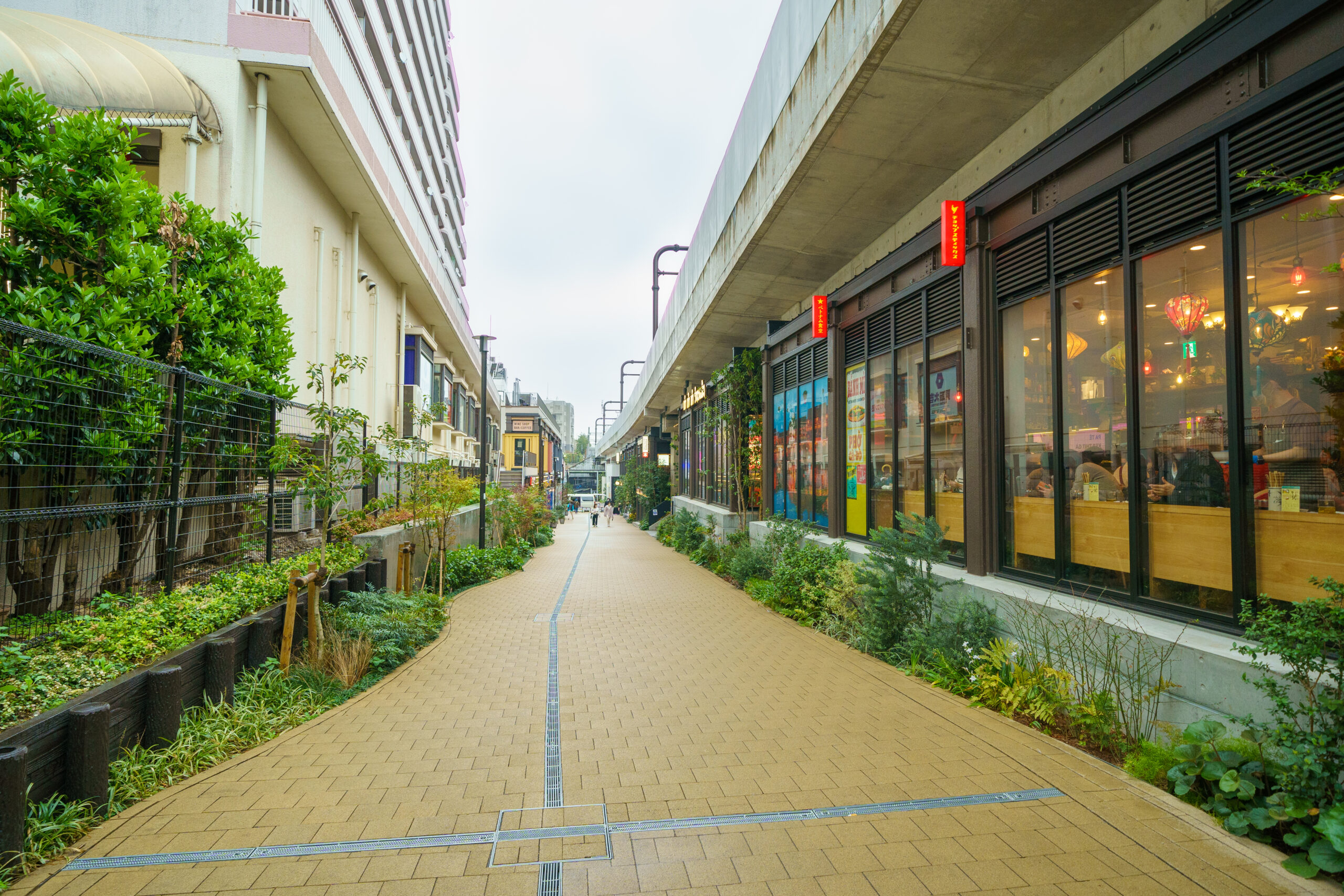
Of course it is fun to actually enjoy the play, or just get a flyer and look at it. Also, at the end of these stairs, there is a store specializing in theater goods and a store with the theme of “leather jackets and seasonal vintage clothing,” which would be interesting to take a peek at. And you can go straight through to the back side. At the same time, one can also reach the other side of the building while flowing through the new shopping zone on the side streets of the building created by the redevelopment.
It is a very Shimokitazawa-like corner of the city.
Yes, there are many unique antiquarian bookstores in the vicinity of the station, so why not take a stroll and get in touch with literature itself?
Reference of Yuma Watanabe’s text
Web Tokyo EBARA Urban Story Library (http://blog.livedoor.jp/rail777/)
Kazuo Honda and Kyoko Tokunaga, “The Man Who Created ‘Theater Town’,” Pia, 2018.Interview and text by Atsunori Takeda (steam)Photo: Satoshi OkuboLiterary Commentary: Yuma Watanabe