Zen monk, 1200-1253

Japanese confectionery

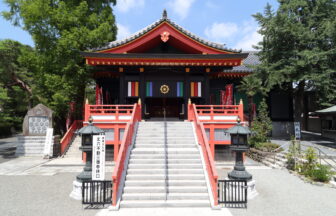
Zen monk, 1200-1253(DOMYOJI)

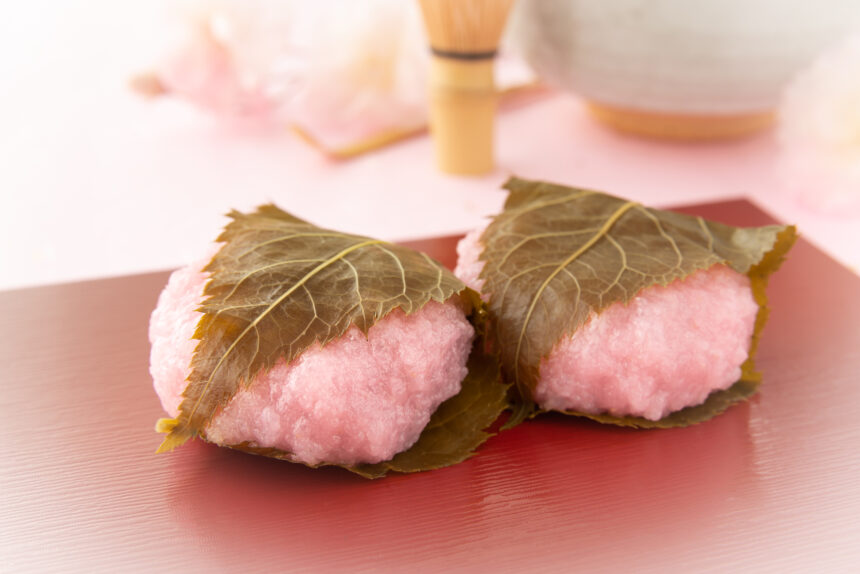
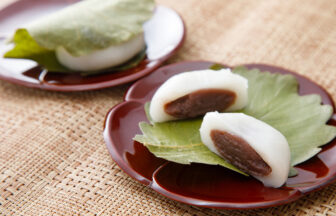
mochi (glutinous rice or other grain, sticky enough to make mochi rice cakes)springrice cake with bean paste wrapped in a preserved cherry leaf

A Japanese confectionery made from domyoji flour. Domyoji flour is made from glutinous rice that has been steamed, dried, and coarsely ground, and when sugar is added to it and steamed, the result is a dough with a grainy texture. It is mainly used to make sakura-mochi (cherry blossom cake). Domyoji flour is said to have been first made at Domyoji, a nunnery in Fujiidera City, Osaka Prefecture. At that time, it was used as a storable food, softened and eaten by pouring water or boiling water over it.

新着・おすすめ情報

  1. When should I send out my summer greeting cards in 2023? Is it OK to send it by e-mail? Common sense and examples of sentences you should know

  2. half-width obi (kimono sash)

  3. What nutrients are contained in “buckwheat tea” that are good for the body?

  4. Katori Shrine, Kameido, Tokyo

  5. Interview with Kotaro Ishikawa of Ishikawa Tortoiseshell Works, a company that connects traditional Edo tortoiseshell techniques and further promotes the Edo Tokyo brand .

  6. What are the characteristics of Edomae Sushi?

  7. piece placed to block opponent’s check (shogi)

  8. Daiba Park (Odaiba, Tokyo)

  9. Former Kusuo Yasuda Residence Garden (Sendagi, Tokyo)

  10. Ueno, Yanaka, Nippori

  11. Selecting the best materials for each application and finishing them with craftsmanship: the pride of the long-established “Edoya”, which has been in business for 300 years, in the creation of brushes and bristle brushes.

  12. small coloured sugar candy covered in bulges

  13. A Walk in Edo with Old Maps] No.4: Was the Yoshiwara brothel located in Ningyocho? A play by day, a brothel by night. A Journey to the Ruins of a Former Pleasure Spot

  14. oldest surviving traditional style of sake making

  15. Gansenen Park (Waseda, Tokyo)