How do you read “shicho”? What do the different expressions mean? Hina Dolls

puppet

How do you read “shicho”? What do the different expressions mean? Hina Dolls(Shicho)

dollDolls’ Festivalpeach festival

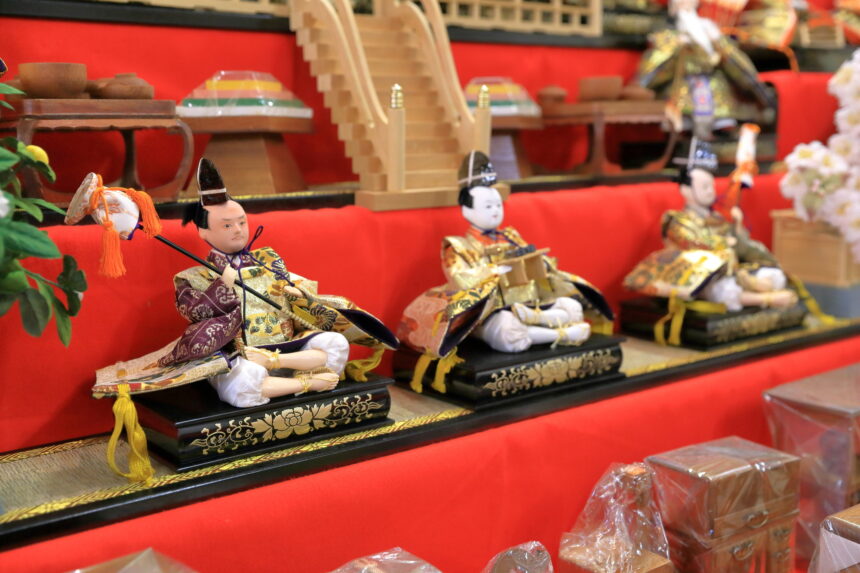
A pair of three male dolls in a set of fifteen dolls. They are also called “eji,” which means “guards,” and they serve as attendants or attendants to nobles at court. In the Kyoto style, the dolls carry different items: from right to left, a broom, a dustpan, and a rake. The expressions of anger, laughter, and tears, from right to left, are said to represent a person’s life from short-tempered youth, through pessimistic middle age, and on to happy old age.
新着・おすすめ情報

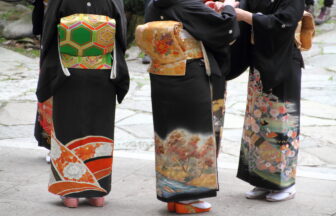
  1. black formal kimono with designs along the bottom of the skirt worn by married women on ceremonial occasions

  2. Ruins of Ooka Echizenmamori Tadasada’s villa

  3. 麻布・赤坂・六本木

  4. What kind of brewing method is “Yamahai-brewing”? Words related to Sake

  5. 【第7回】蕎麦に欠かせない薬味「葱」と「唐辛子」について

  6. What is the definition of “Honjozo”? Words related to Sake

  7. Ruins of Kirishitan residence (Myogadani, Tokyo)

  8. What is “Katahira”? What kind of process is it? Words related to Sake

  9. ridges on a blade (sword, knife, etc.)

  10. Anyone can do it by themselves! Basic yukata dressing – men’s version

  11. Chidorigafuchi (fountainhead)

  12. Yamamoto Nori Store, a long-established business with a 170-year history, has created an innovation that allows people to taste freshly baked laver.

  13. Tokyo Literature Walk] No. 4: Cultural City of West Tokyo, from Seijo-Gakuen to Roka Koen

  14. The family motto is “Be a connoisseur. Gyokuho-Do” has continued to support the tea culture by handling tea utensils of the Unshu-Matsudaira and Omotesenke families.

  15. Omori Shell Mound Site Garden