Asakusa 1 Day Sightseeing Plan] Tour Asakusa’s long-established shops! 5 spots where you can feel history and tradition

Editor’s RecommendationAsakusa (department store)souvenir from AsakusaTour of old shops in AsakusaAsakusa Sightseeingtour of old stores

Asakusa is one of the most popular sightseeing spots in Tokyo. Asakusa is a popular spot that attracts many tourists from Japan and abroad every day, and is dotted with many places of interest. In this issue, we will introduce five of Asakusa’s traditional restaurants where you can fully enjoy Asakusa’s unique traditional culture with all your senses.

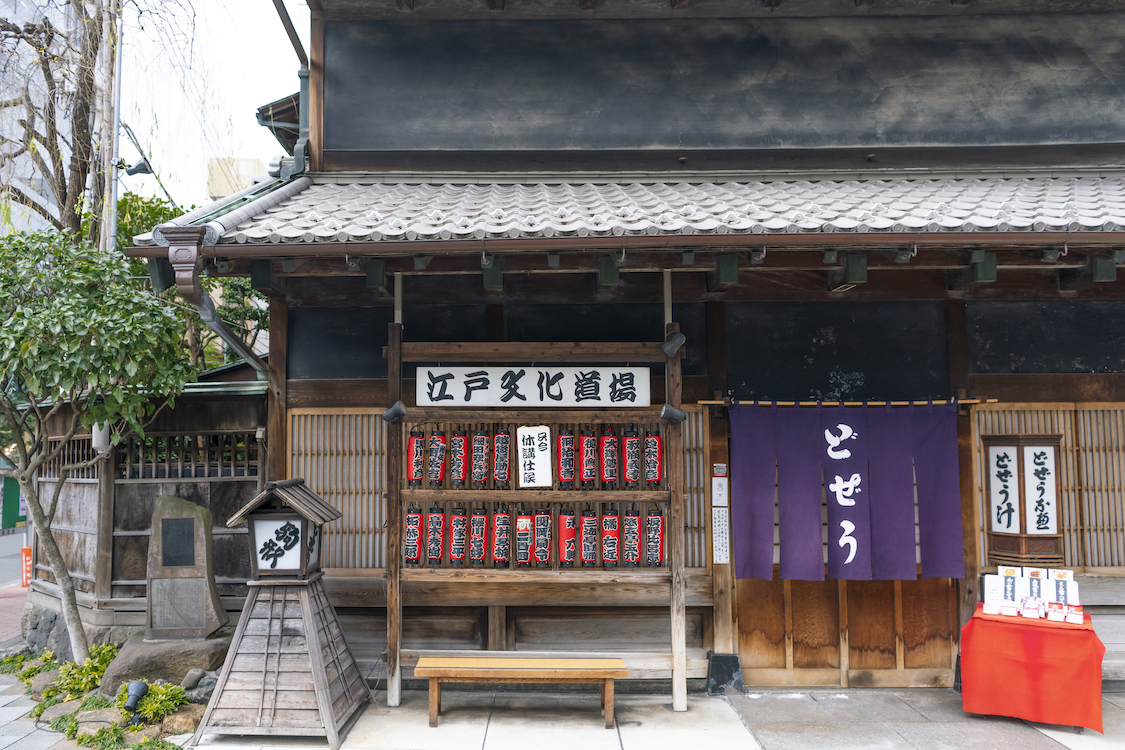
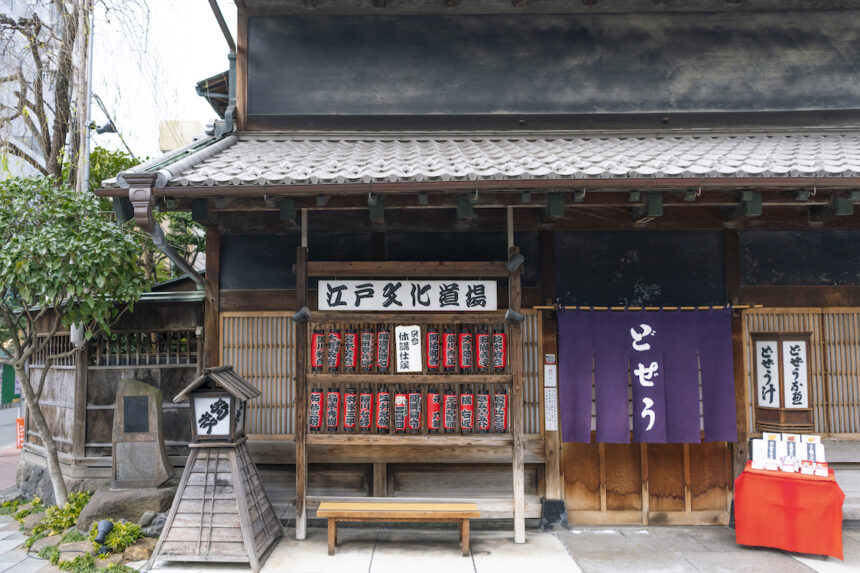
Lunch at Komagata Dozeu, a restaurant with an Edo-style atmosphere

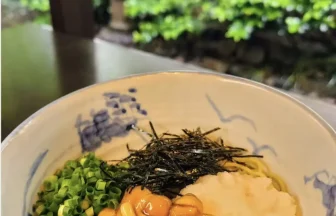
Komagata Dozeu, located along Edo Street leading to Nikko Kaido, was established in 1801 as a rice shop serving dozeu soup. The store’s merchant-style building, with its tatami room, and other features that capture the atmosphere of the Edo period, from the outside to the inside, make it hard not to take a picture of it! The restaurant always purchases high quality loach from all over the country and offers dishes of loach with fluffy meat without any odor. Dozeu-nabe” is a traditional dish of dozeu cooked in an iron pot with dojo-jou, which is drunk with sake and stewed in Edo sweet soybean paste. This is a casual way to enjoy the traditional taste loved by Edo people.

For more information about this long-established restaurant, please visithere (place close to the speaker or where the speaker is)

Unosuke Miyamoto Shoten, where you can see taiko drums from around the world

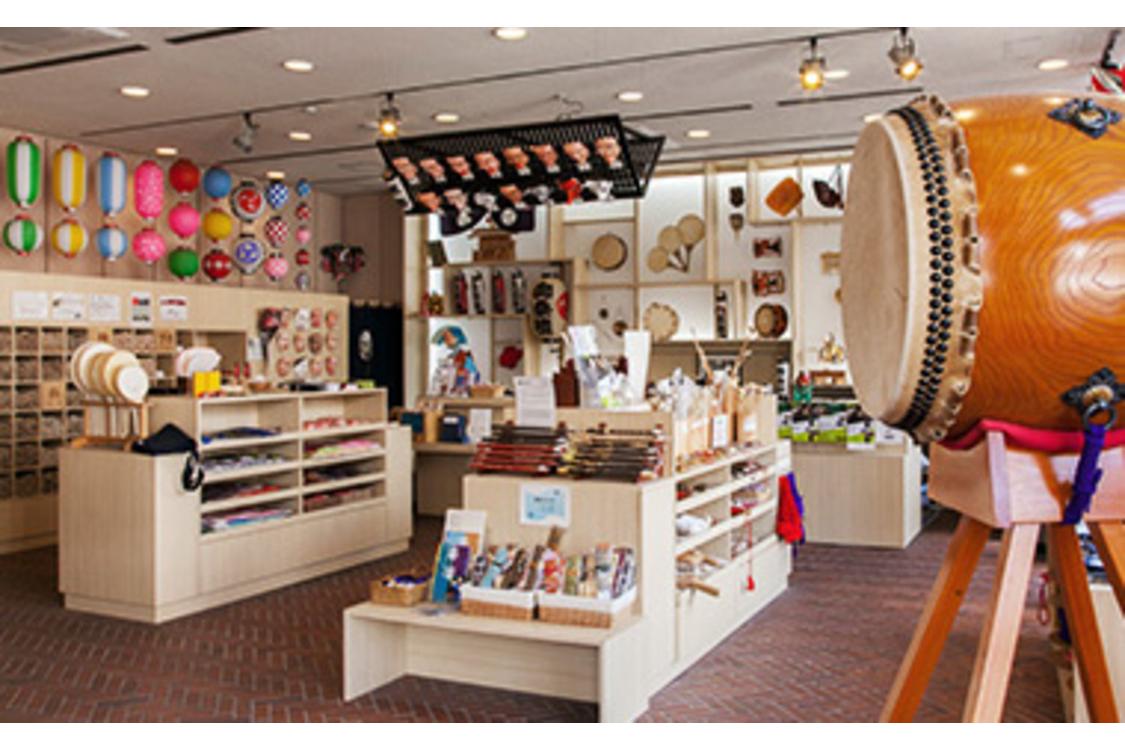
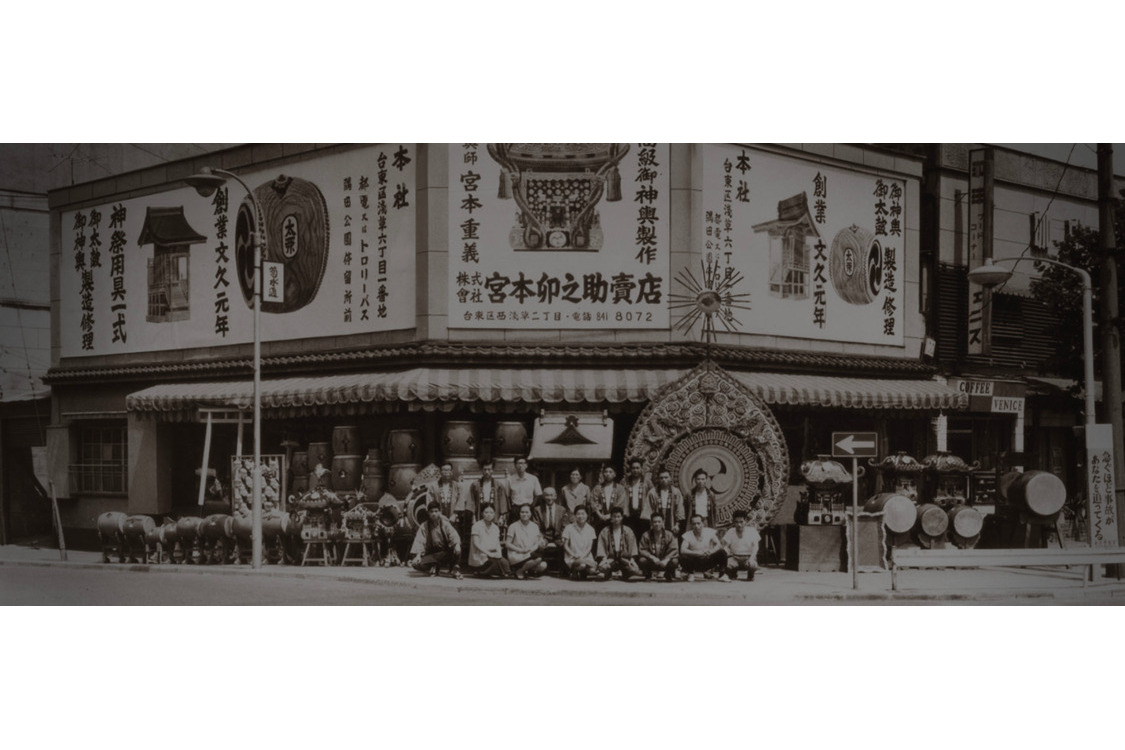
Founded in 1861, Miyamoto Unosuke Shoten is a long-established store dealing in taiko drums, portable shrines, and ritual implements. The sound of the taiko drums, which is the result of the craftsman’s experience and skill, is well known for the depth of sound that only Miyamoto can provide. For the 1964 Tokyo Olympics, Miyamoto provided a set of large, 8-meter-high Kaen-daiko (flaming drums) to enliven the opening ceremony. On the fourth floor of the store, the Taishokan, a museum of taiko drums that displays approximately 800 drums collected from around the world, as well as reference books and materials, is also operated. It would be interesting to actually beat taiko drums from around the world, including Asia, Africa, and Europe, and compare their different tones.

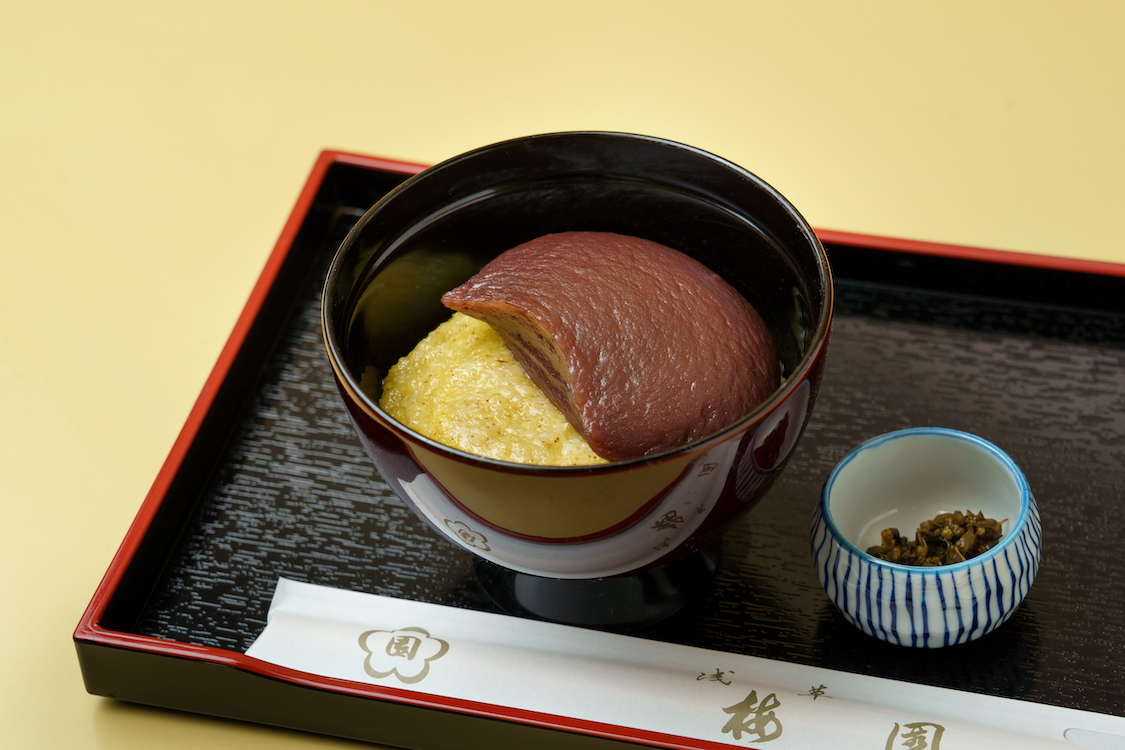
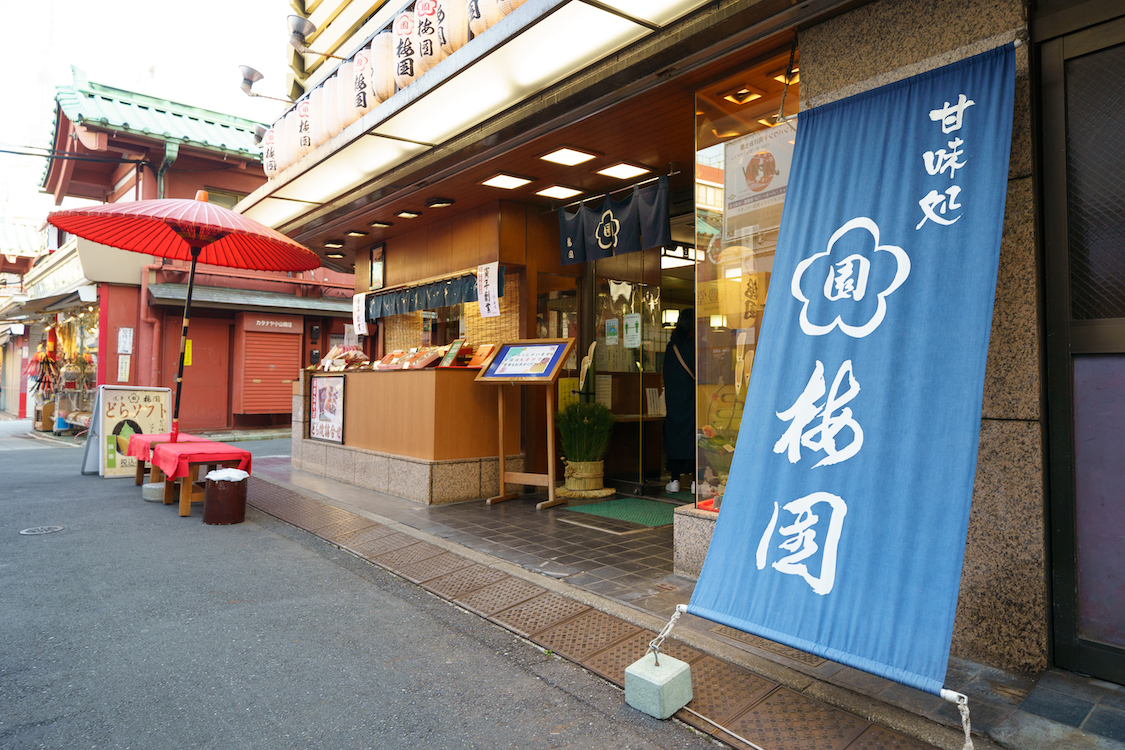
Taste the famous awa-zenzai (sweet bean soup) at the Ume-en Asakusa Main Store.

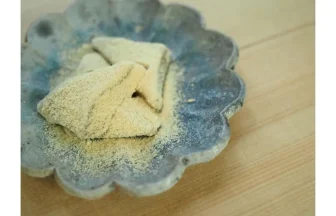
If you want to take a break from sightseeing, go to Umezono Asakusa Main Store, a sweet shop located right next to Nakamise-dori. Their signature item is “Awa-zenzai” (sweet bean soup with millet), which has been popular since the establishment of the shop in 1854. The mochi kibito, which is made by mixing glutinous rice and kibi and pounded half-polished in a rice-cake pounding machine, and the sweet, smooth Hokkaido bean paste are a perfect match. Also popular are the “Large Dorayaki” for takeout and the innovative “Dorasoft,” which is soft-serve ice cream wrapped in a dorayaki crust. These are perfect for a snack while strolling along Nakamise-dori!

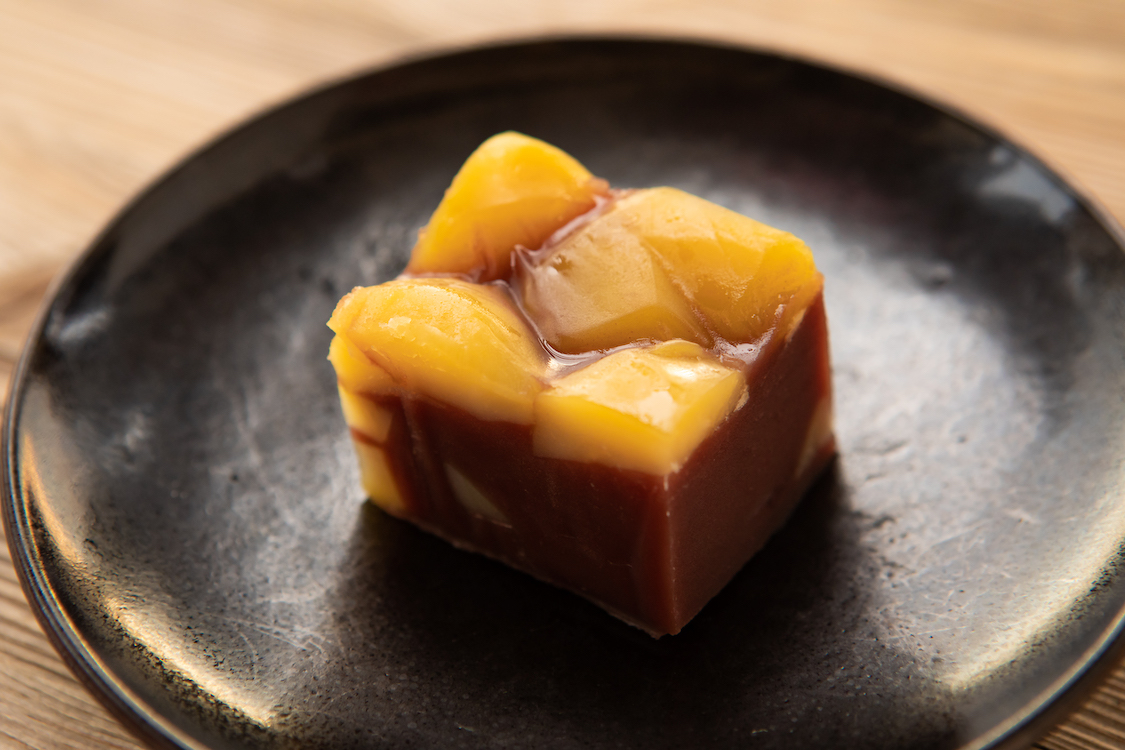
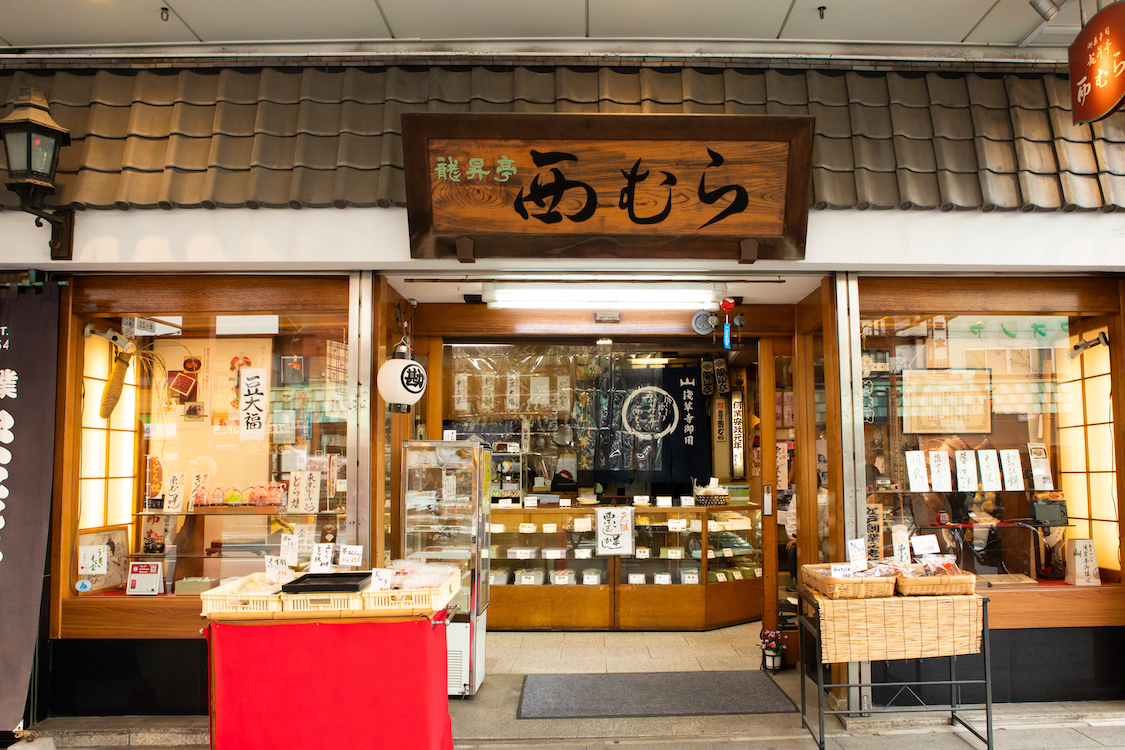
Chestnut-flavored yokan (yokan with sweetened chestnuts) from “Ryushotei Nishimura” that makes a great souvenir

Ryushotei Nishimura, located on Kaminarimon Street right in front of Kaminarimon, is a long-established Japanese confectionary shop founded in 1854. The showcase is filled with a variety of sweets, but the “Chestnut-flavored Mushi-Yokan” invented by the store’s founder is the face of the store, which has remained popular for 160 years. Chestnut-flavored yokan” is made by kneading flour and sweetened red bean paste into a dough and steaming it with chestnuts sweetened with sweetened sugar. It is well known for its soft sweetness, firm texture, and smooth feel on the tongue. Since it keeps well for a long time, it is a good souvenir for sightseeing in Asakusa.

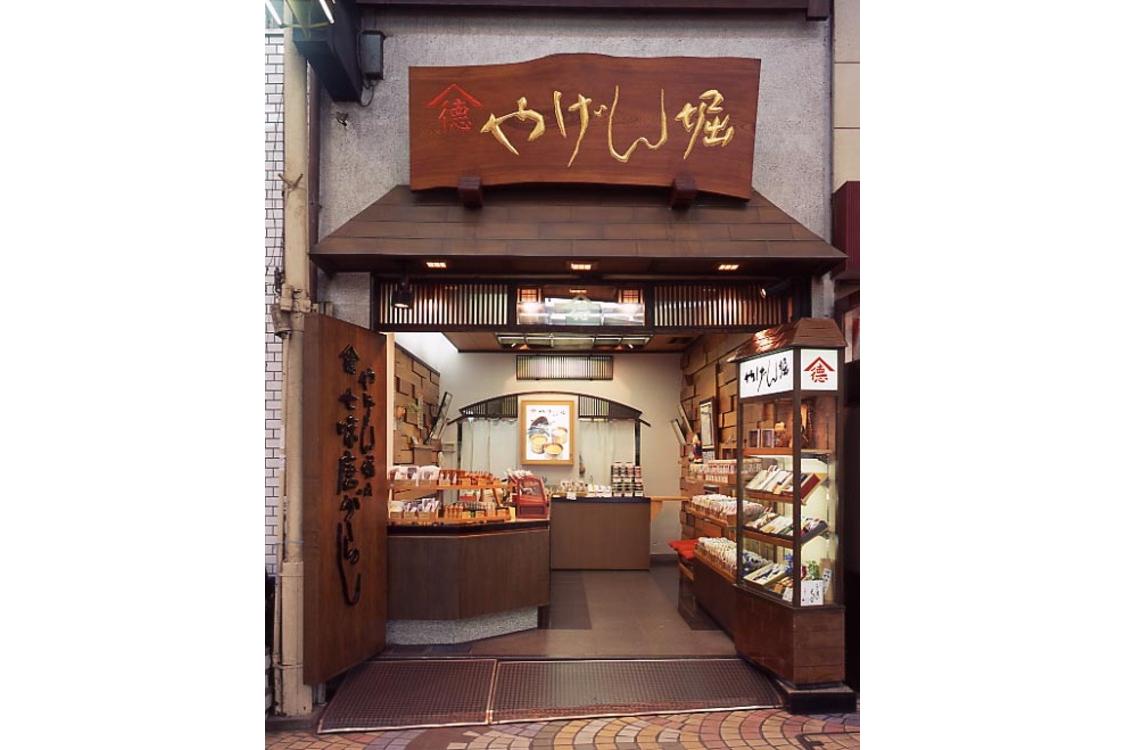
Order your own shichimi togarashi at Yagenbori.

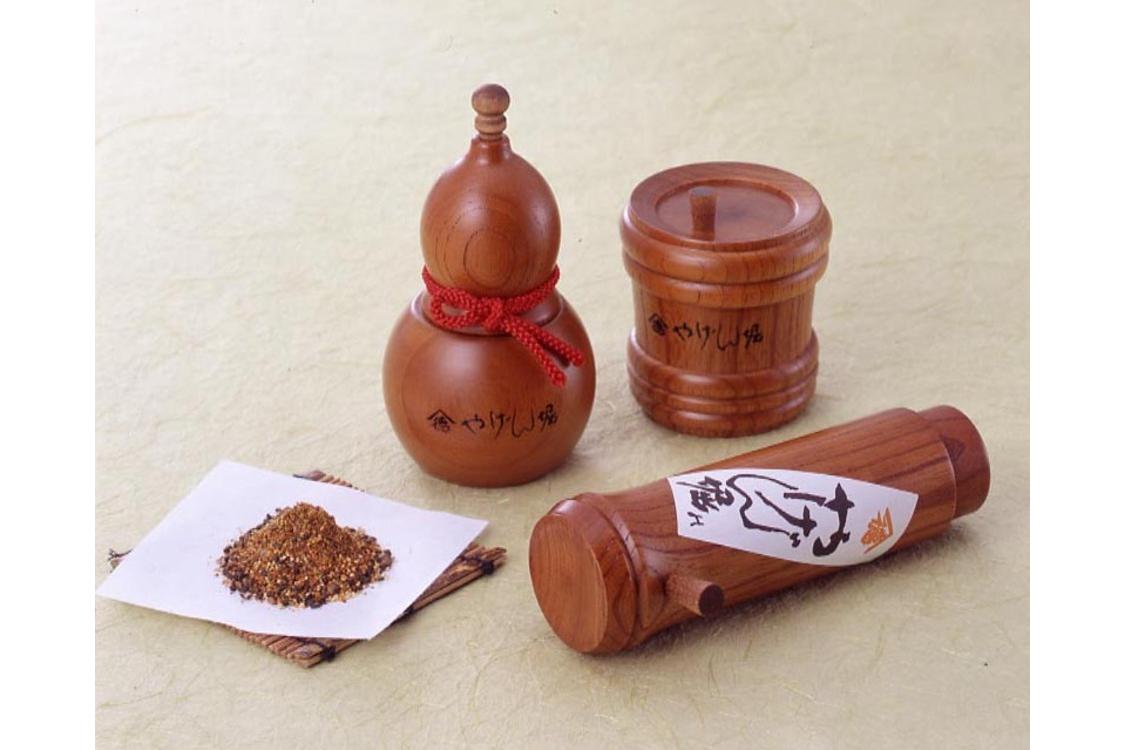
Yagenbori, where you can make your own shichimi to taste, is recommended as a souvenir for yourself. The store has been in business for 400 years since the Edo period (1603-1867), and it is said that Iemitsu, the third Tokugawa Shogun, was very fond of Yagenbori’s shichimi. At the store, seven different kinds of seasonings, which are the ingredients of shichimi, are lined up for sale, and the custom-made mixing and selling is very popular. The staff will mix the perfect blend of spiciness and aroma to suit the customer’s tastes. Even after you return home, you will be immersed in the memories of your trip every time you use them.

Asakusa has many tourist attractions, but by focusing on long-established stores, you can experience for real the traditional taste and chic culture that people loved in the past. Why not enjoy sightseeing in Asakusa as if you were back in time?

新着・おすすめ情報

  1. Seiryu Garden Sawanoi-en

  2. Manners for Late-Summer Greeting Cards in 2023: Common Sense to Know and Sample Cards for Different Recipients

  3. A Walk in Edo with Old Maps] No. 6: Kagurazaka is full of historical attractions. From alleys where you can feel the Edo period to wooden buildings of the Showa period

  4. Tanashi Shrine (Tanashi, Tokyo)

  5. Kamiya Bar, the oldest bar in Japan, well-known for its Denki Bran, and its innovations through the ages.

  6. Edo no Kusabun Toyoshimaya no Hakusake” is completed this year as well / Toyoshimaya Honten

  7. You can do it by yourself! How to tie a yukata obi – Butterfly knot

  8. triangles of sweet rice jelly topped with adzuki beans (eaten in the sixth month)

  9. They also restore ancient musical instruments used in traditional performing arts. Okadaya Fuse’s Struggle to Preserve Traditional Japanese Culture

  10. MATSUZAKI SHOTEN (Buy / Ginza area) page is now open

  11. 【第12回】「手打ち」というだけで蕎麦は美味しいわけではない

  12. Tokyo Literature Walk] No.5: Literary figures of the Showa period settled in Shimokitazawa one after another. Why Shimokitazawa became a town of culture

  13. New Year’s decorations

  14. Manners Related to Tea: How to Make and Serve Delicious Tea, and Manners for Receiving Tea

  15. traveling clothes