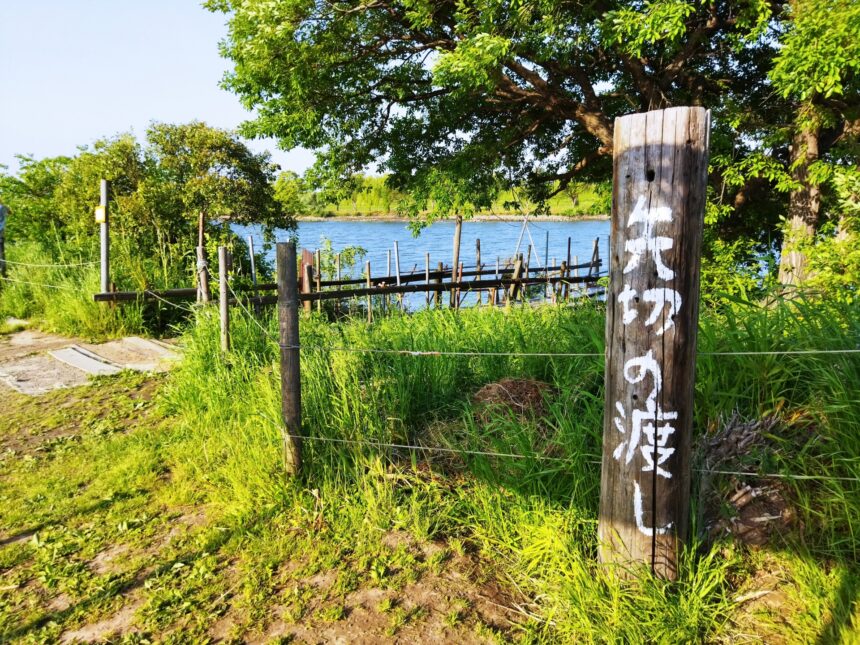
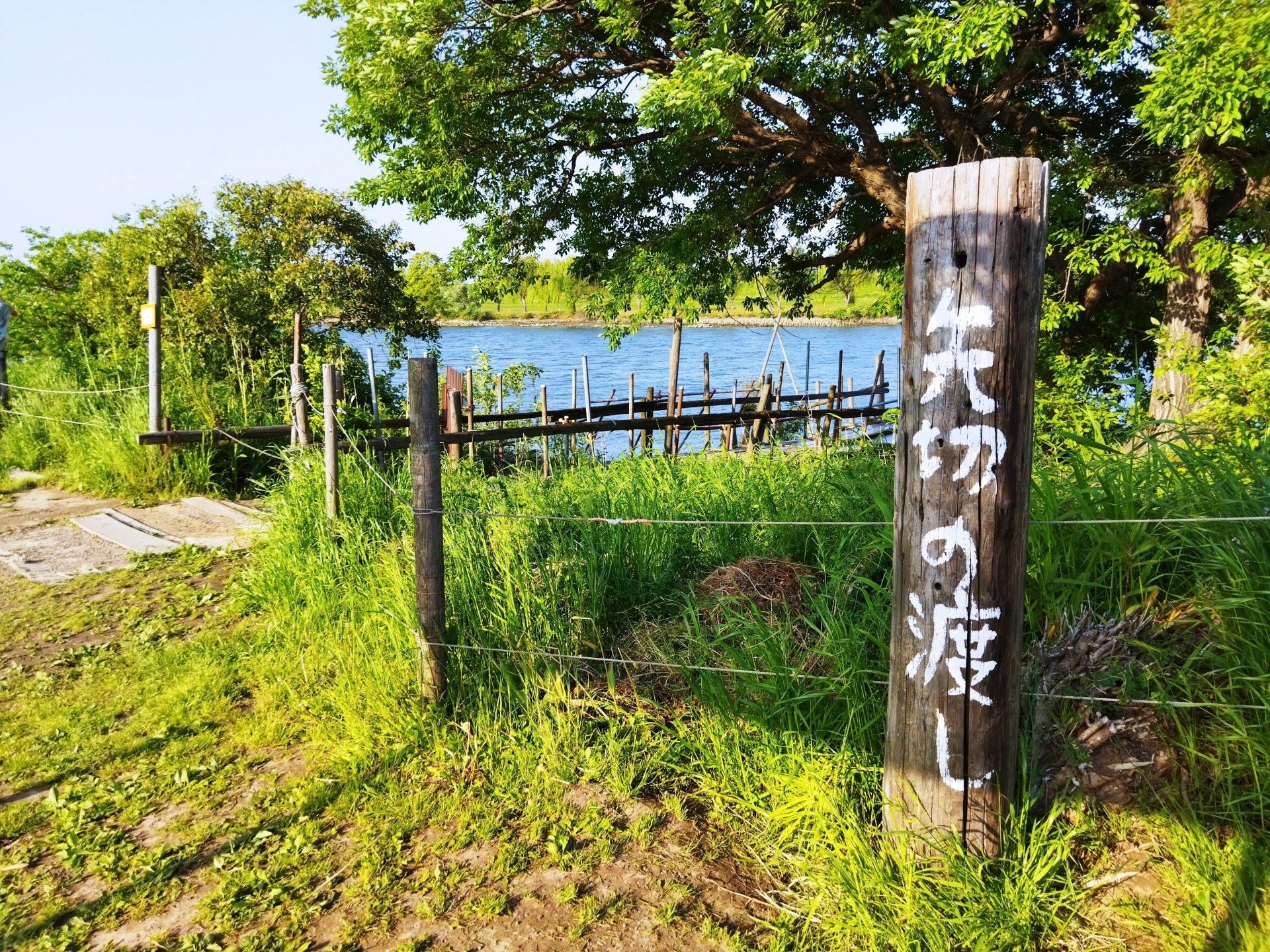
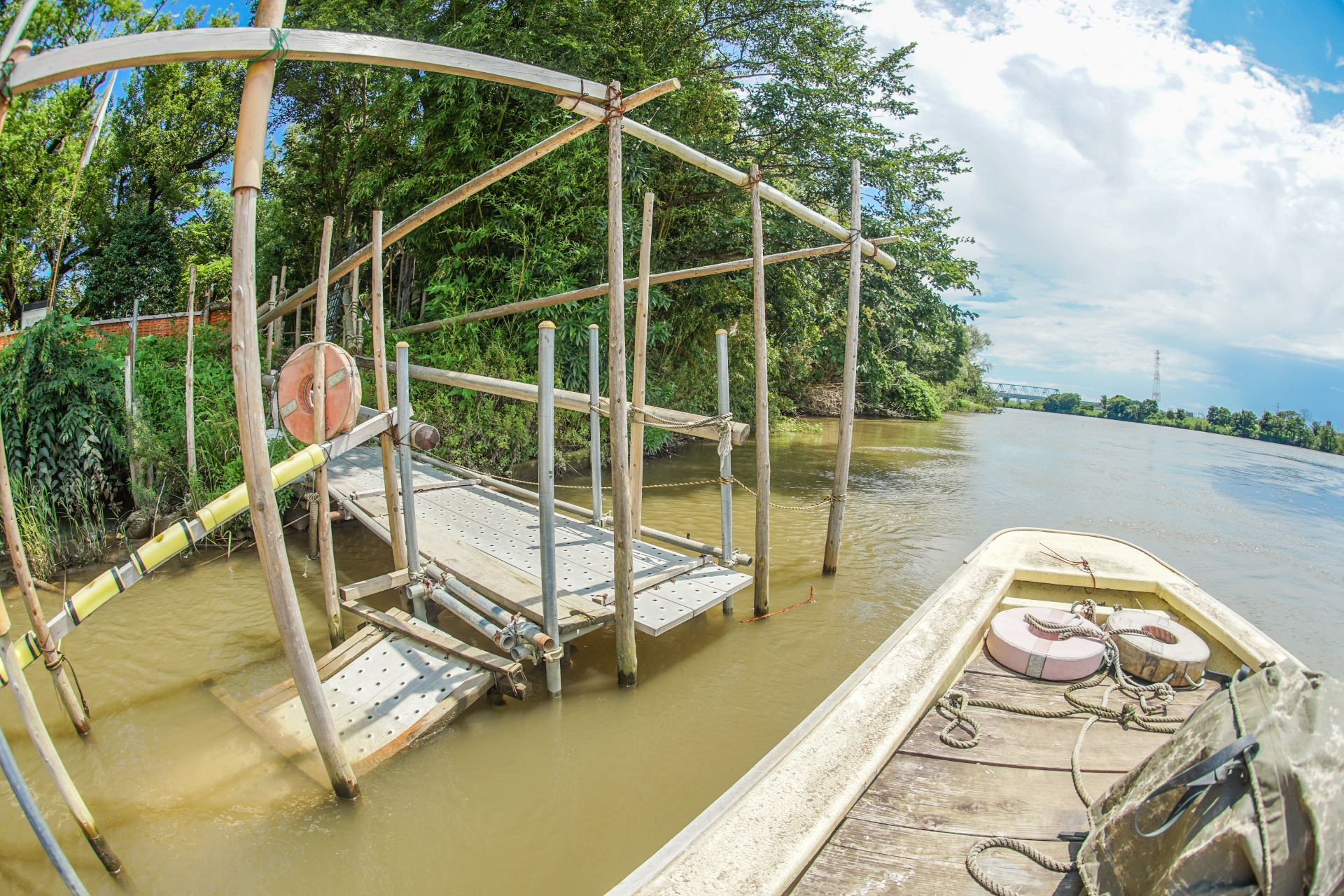
Yagiri no Ferry (Shibamata ferry terminal)

historic siteKameari/Shibamata

Yagiri no Ferry (Shibamata ferry terminal)(Yakiri-no-Watashi Ferryboat Crossing

location for making or filming a moviethe …. riverwalkship

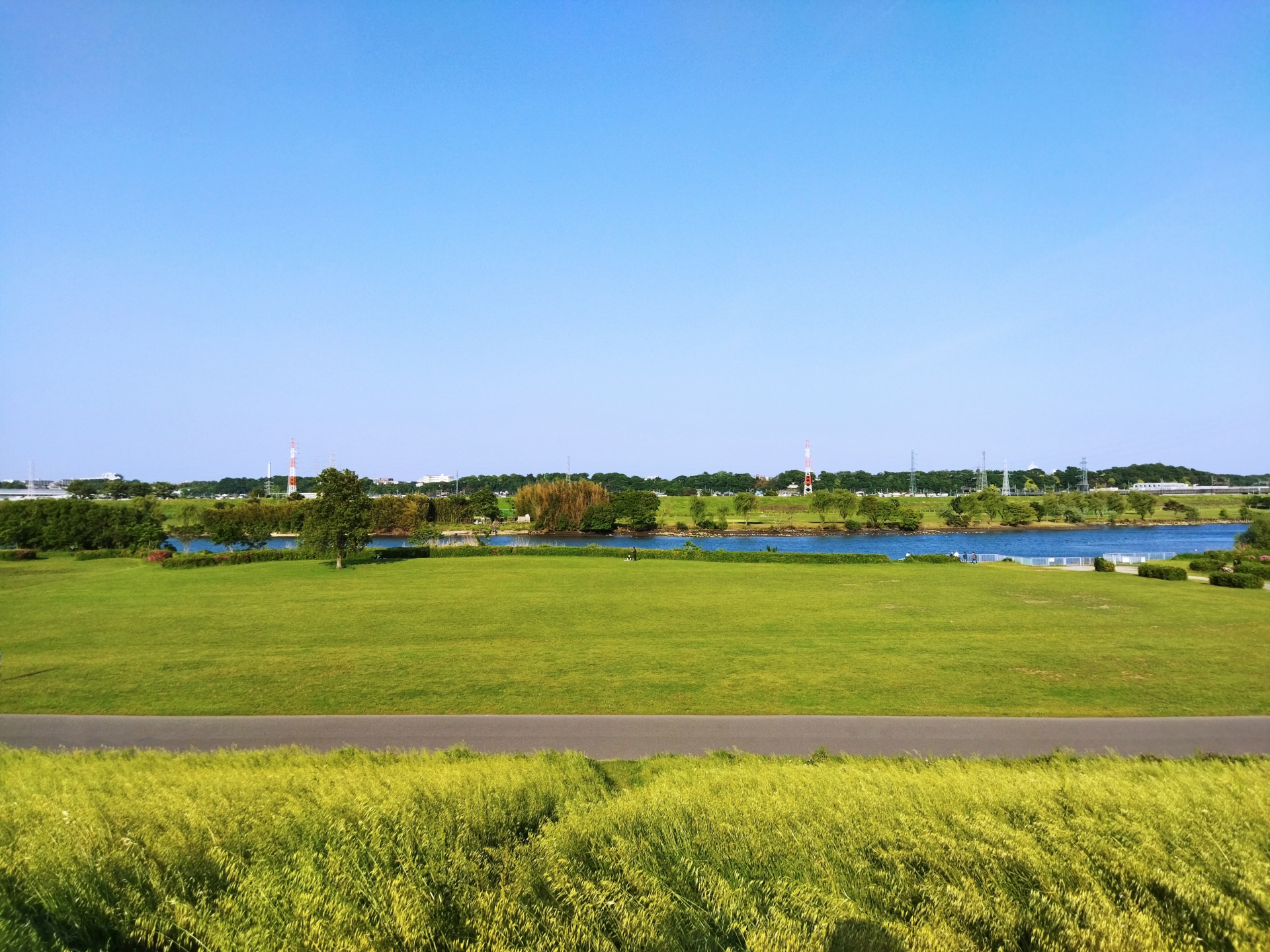
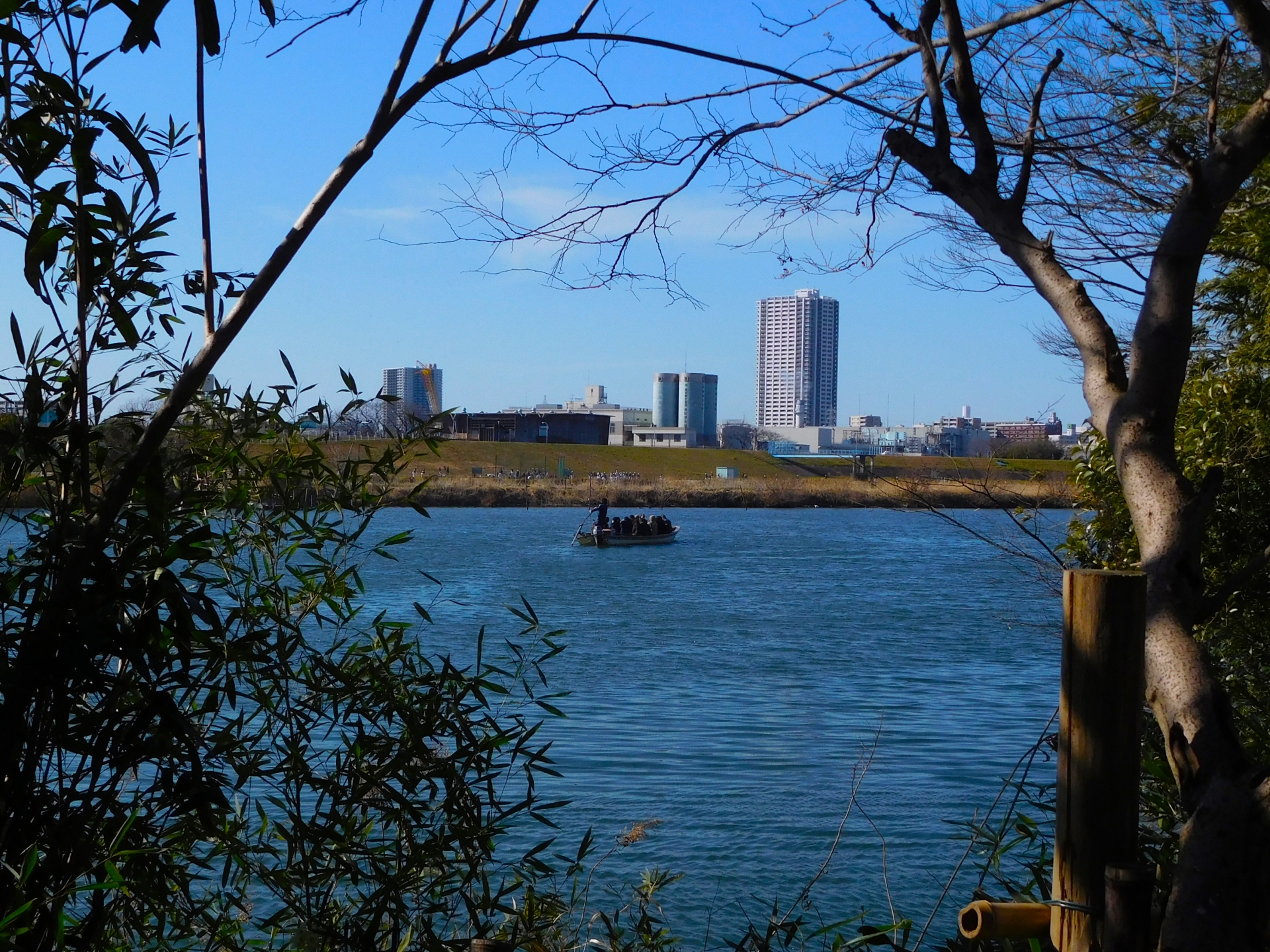
Ferry boats connect the Edogawa River running between Shibamata, Katsushika-ku, Tokyo and Matsudo City, Chiba Prefecture. It is currently the only ferry on the Edogawa River that has its roots in the farmers’ ferry. The Tokugawa Shogunate did not build bridges across the river to defend Edo, but in the early Edo period, the Shogunate established ferry boats for local farmers, and they were used as an important means of transportation between Yagiri and Shibamata on the Edo River. The ferry was mainly used as a route to farmland on the other side of the river and as a route for pilgrims to the Shibamata Teishakuten Temple. In 1906, Yagiri no Watashi became famous as the setting for the novel “The Grave of Nogiku” by Ito Sakio, which was published in the magazine “Hototogisu”. It is also widely known as the setting for the movie series “Otoko wa Tsuraiyo” and Takashi Hosokawa’s hit song “Yagiri no Watashi.

Spot OutlineOutline

address (e.g. of house) 7-18 Shibamata, Katsushika-ku, Tokyo
Access 8 minutes from Keisei-Shibamata Station

phone 047-363-9357
Business Hours 10:00-16:00 (Closed on Mondays and Tuesdays in July and August. In winter, open only on Saturdays, Sundays, and holidays) *Tours are always available.
regular closing day In case of stormy weather. Closed irregularly, call to confirm.
External Links

Official Web Site

Founding and opening of business early Edo period (1603-1868 CE)

新着・おすすめ情報

  1. Gansenen Park (Waseda, Tokyo)

  2. combined off-license and pub (licence)

  3. Oiwa Inari Tamiya Shrine

  4. Araiyakushi Umeshoin

  5. Shinko Matsuri (torch festival) is held at Kameido Tenjinja Shrine! A solemn spring fire festival in memory of Sugawara no Michizane

  6. What’s in a Kaiseki meal? Explaining the Difference from Kaiseki Cuisine

  7. Customer information is written down in a notebook and shared with all staff. Ginza Mikawaya’s commitment to hospitality

  8. Kimono can be re-tailored and reused as a haori or obi. Kimono is the ultimate SDGs costume.

  9. Togenuki Jizoson Takaiwanji Temple (Sugamo, Tokyo)

  10. Ningyocho Shinota Sushi Head Office, a long-established sushi restaurant serving inari sushi. What changes with the times, and what never changes.

  11. duck meat stew (dish from Ishikawa prefecture)

  12. Akasaka Imperial Villa

  13. wheat starch

  14. Interview with Kotaro Ishikawa of Ishikawa Tortoiseshell Works, a company that connects traditional Edo tortoiseshell techniques and further promotes the Edo Tokyo brand .

  15. pickled ginger