

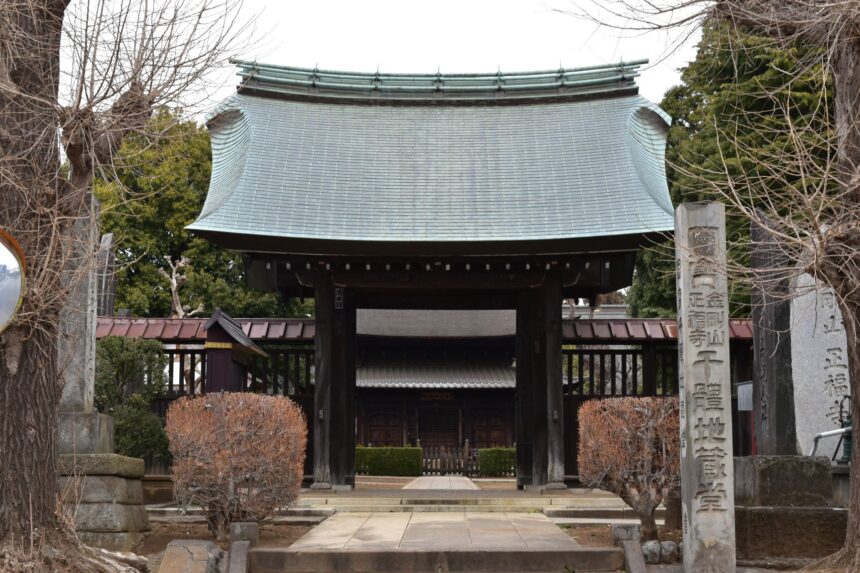
temple (Buddhist)constructionHigashimurayama, Ome, Okutama
Shofukuji Temple (Higashimurayama, Tokyo)(Shofukuji Temple)
Hojo Tokimunenational treasureRinzai school of Buddhism
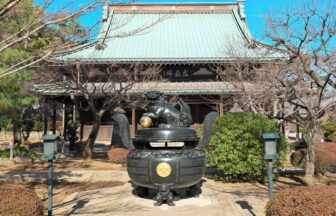
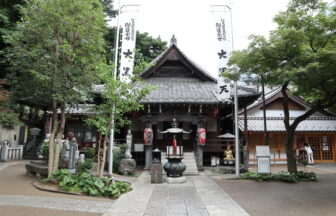
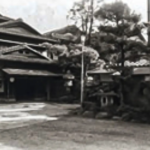
Officially called “Kongo-zan Shofuku-ji Temple,” it belongs to the Kenchoji school of the Rinzai sect of Zen Buddhism. According to temple legend, the temple was founded in 1278. When he came to Higashimurayama for falconry, Hojo Tokimune, the regent of the Kamakura Shogunate, fell ill. When he awoke from sleep, he was cured of his illness. It is said that Tokimune founded Shofukuji Temple in honor of this Jizoson. The Jizo Hall (Sentai Jizo Hall) on the temple grounds was built in 1407 (Oei 14) and is the only wooden building in Tokyo that is a national treasure, and together with the Engakuji Shariden in Kamakura, is renowned as a representative example of Zen Buddhism architecture. (Image courtesy of Higashimurayama Furusato History Museum.)
Spot OutlineOutline
| address (e.g. of house) | 4-6-1 Noguchi-cho, Higashimurayama-shi, Tokyo |
|---|---|
| Access | 15 min. walk from Higashimurayama Station on Seibu Shinjuku Line |
| phone | 042-391-0460 |
| Business Hours | The Jizo Hall is open to the public inside only on the second Sunday of June (11:00-15:00), August 8 (11:00-15:00), and November 3 (10:00-16:00) (the exterior is always open to visitors). |
| External Links | |
| Founding and opening of business | 1278 (Kouan era) |