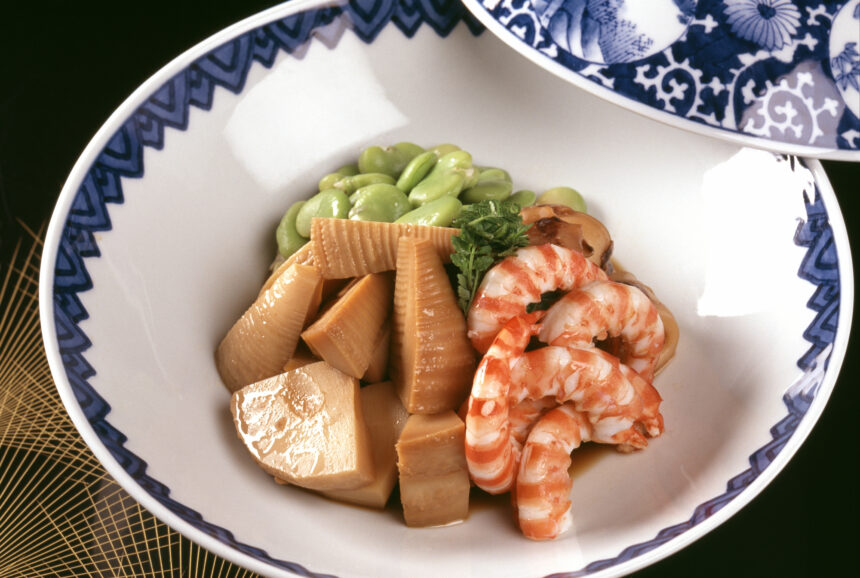
How to read “strong snacks”? Kaiseki and Kaiseki Cuisine

Japanese-style meal

How to read “strong snacks”? Kaiseki and Kaiseki Cuisine(shiizakana)

banquettea-ceremony dishes

The second main dish served after “hachizakana (grilled fish)” in kaiseki cuisine. It is the second main dish served after “Hachizakana (grilled fish)”. It is served with simmered or cooked dishes. It is named as “a side dish that is served after “hachizakana” (grilled fish).
In kaiseki cuisine, “strong side dish” is sometimes served after “grilled fish,” which is the last dish of the first “one soup and three vegetables. In this case, it is sometimes called “kekebachi,” but “kekebachi” is often considered a side dish for rice, while “strong snacks” are considered a side dish for sake.

新着・おすすめ情報

  1. What to do on the far shore for ancestor memorial services? What to wear, what to bring, and what to do on the day of visitation.

  2. Aoyama Cemetery (Minami Aoyama, Tokyo)

  3. glutinous rice steamed with red beans or some other ingredient

  4. Ubukeya, a long-established cutlery shop with 240 years of history

  5. Nihonbashi Kuroeya deals in lacquerware from all over Japan. Protecting the goodwill through innovation, not single-mindedness.

  6. long-sleeved kimono

  7. Matsui Sake Brewery once closed. A closer look at the creative sake brewing process at the revived brewery.

  8. Arisugawa-no-miya Memorial Park

  9. Pushing aside the opposition of employees? The importance of reform, as seen by the long-established “Tokiwa-do Thunder Stirrers”.

  10. Fukutoku Shrine Meibuki Inari (Nihonbashi, Tokyo)

  11. Habutae mochi

  12. mochi containing red bean paste

  13. Tokyo Literature Walk] No. 2: From Hongo to Sendagi via Slopes and Alleys, Touring the Former Residences of Modern Literary Greats

  14. What is kaiseki ryori? What is the difference between kaiseki ryori and kaiseki cuisine, and which is eaten at a tea ceremony?

  15. Why is the oak in “Kashiwa-mochi” said to symbolize the prosperity of descendants?