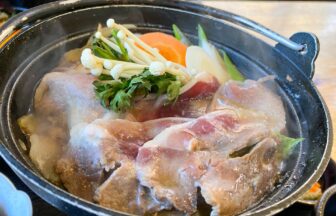
beef sinew stewed in miso and mirin

beef sinew stewed in miso and mirin(Dojounabe)

weather loach (Misgurnus anguillicaudatus)wrestler of Hokkaidan ancestryold name of Tokyopot

A one-pot dish in which whole loach is stewed in miso broth, then simmered in mirin and soy sauce flavored broth and topped with chopped green onions. There is also “honenuki nabe,” in which the head of the loach is removed, the meat is opened, and the bones are removed before boiling. Komagata Dozeu, founded in 1801 in Asakusa, is famous as one of the representative food culture of the Edo period. The correct word for “dojo” in the old kana syllabary is “dojiyau” or “dojiyau,” but it was the idea of Echigoya Sukeshichi, the founder of Komagata Dozeu, to change it to “dozeu” with an odd number of letters after a fire in 1806 because the four letters in “dojiyau” did not bring good luck. This gained him a good reputation and the restaurant prospered, and by the end of the Edo period, other restaurants changed their signboards to “dozeu” as well.

新着・おすすめ情報

  1. Anyone can do it by themselves! Basic yukata dressing – women’s version

  2. 【第27回】粋な江戸蕎麦の食べ方とは

  3. To make Japanese “tea culture” widely known. Flexibility of “Gyokuho-Do” to change with the times.

  4. What is the origin of the term “chilled sake”? Words related to sake

  5. Honmyoji Temple (Sugamo, Tokyo)

  6. To make swords a part of our daily lives. The future of swords is the goal of Nihon Katana, a long-established sword specialty store.

  7. 【第10回】なぜ蕎麦は「細くて長い」が定着したのか

  8. just after fall

  9. 【第9回】蕎麦屋で人気の「天せいろ」の歴史

  10. Matsui Sake Brewery once closed. A closer look at the creative sake brewing process at the revived brewery.

  11. short sword

  12. Shinobazunoike Pond Oratory, Kan-eiji Temple

  13. What is Gunkanmaki? Origin of the name, store of origin

  14. Shiba Daimon Sarashina Nunoya

  15. Enjyoji Temple (Hakusan, Tokyo)