

Founded in Genji 1 (1864)
Gorgeous Edo chiyogami where you can immerse yourself in the beauty of colors and patterns
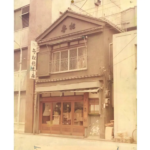
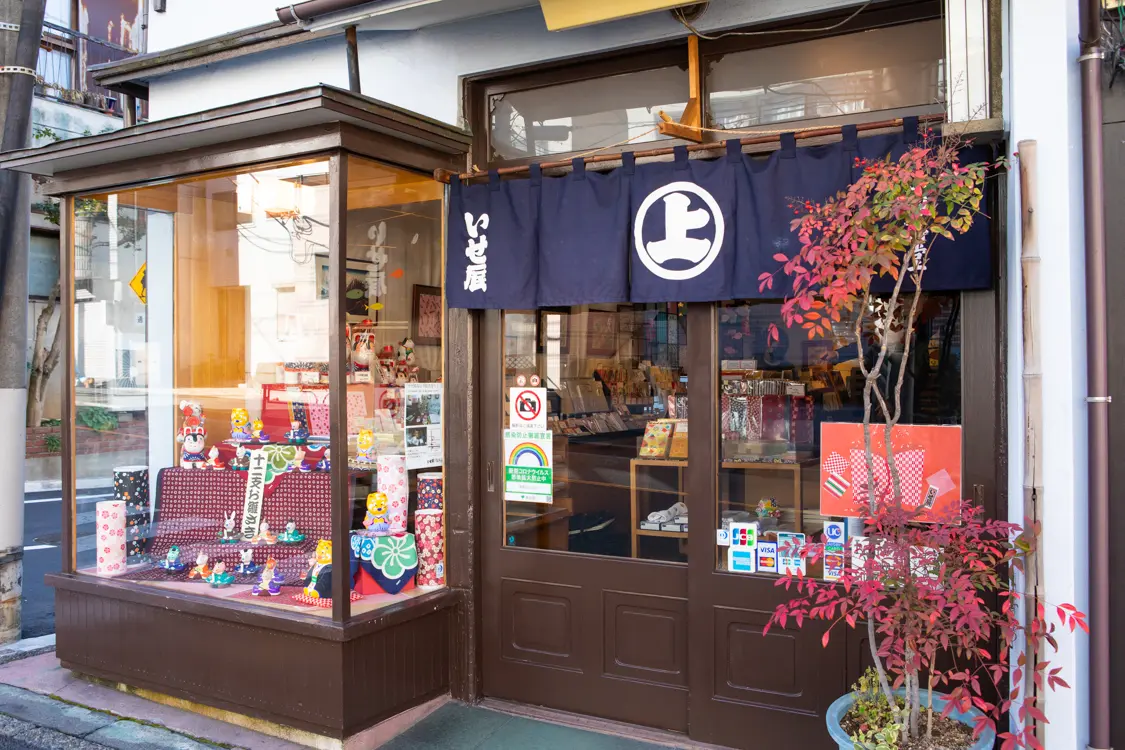
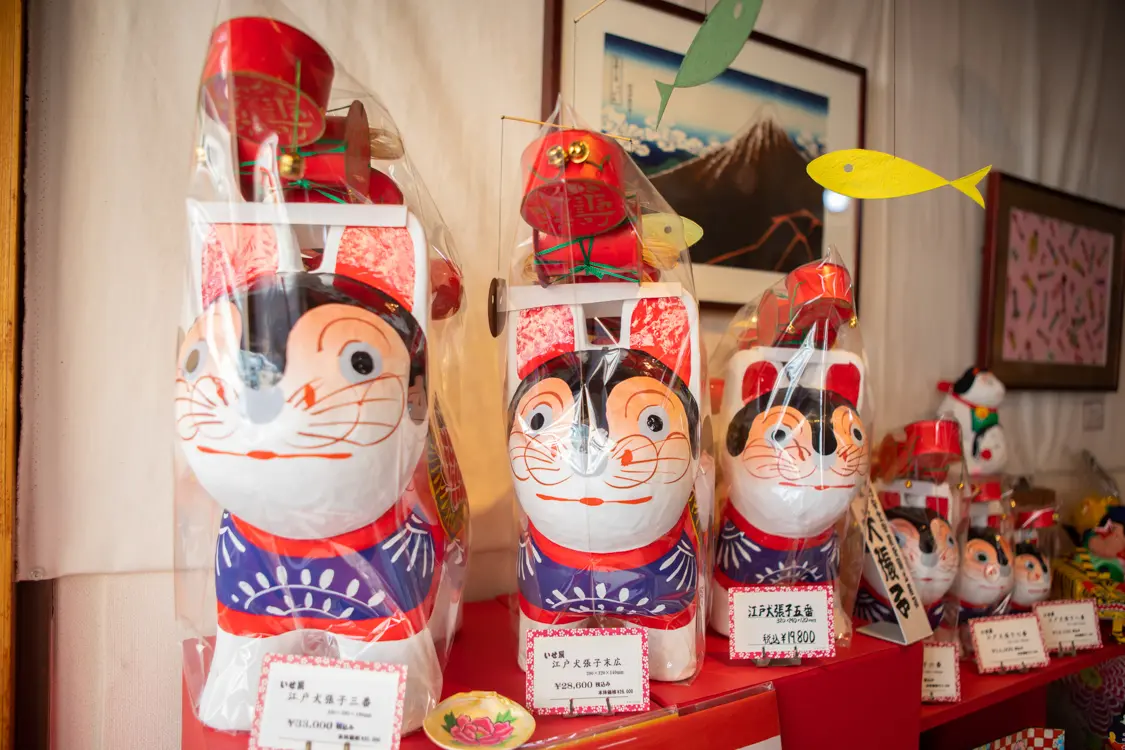
In the compact shop filled with colorful chiyogami, toy prints, and papier-mâché dolls, Kikujuudo Isetatsu is full of charm that excites both adults and children.
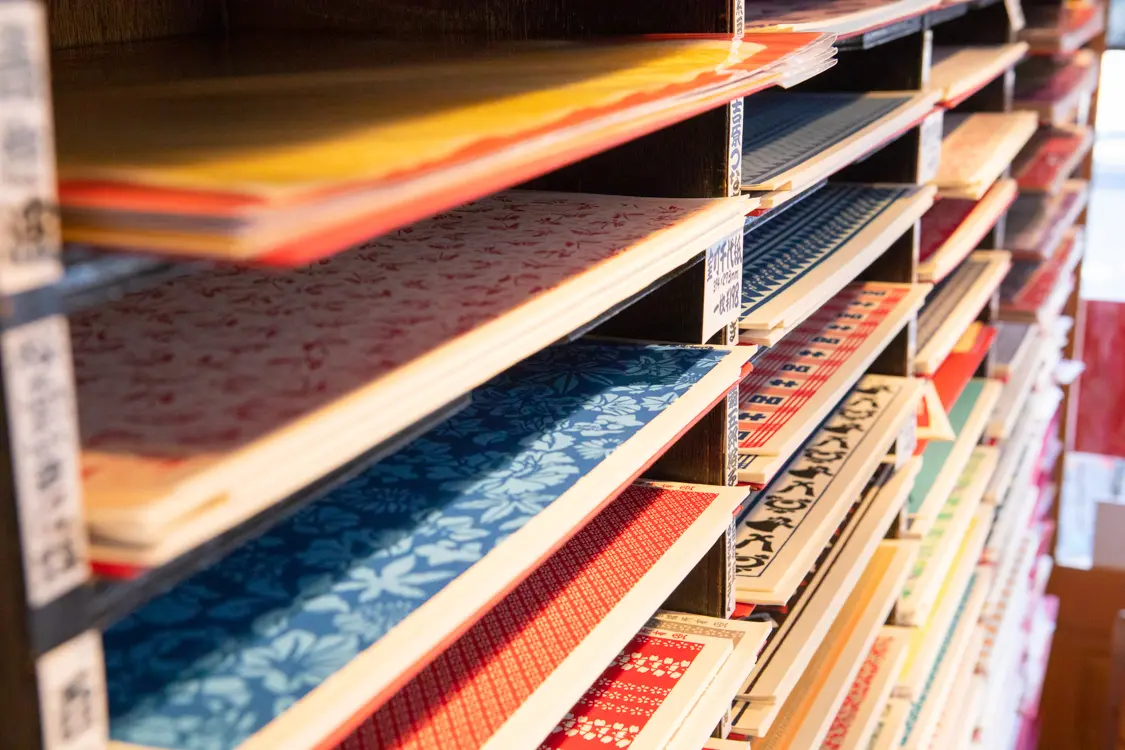
Edo chiyogami, made by woodblock hand-printing, has clearer patterns and color contrast than Kyoto chiyogami, and features motifs reflecting the tastes of Edo townspeople, such as kabuki.In the past, it was used for kimono for “Ane-sama dolls,” which were popular toys for girls, and was widely loved as origami.Recently, many customers use it for interior decoration, such as for mounting artwork or making lampshades.
The toy prints, another flagship product alongside chiyogami, are woodblock prints depicting the everyday life of Edo townspeople.The motifs vary from seasonal events to animals, and they have long been enjoyed like children’s picture books or illustrated guides.
There are more than 1,000 varieties of toy prints and chiyogami.Each one is printed by layering colors one by one using woodblock hand-printing, which requires many woodblocks.Some pieces even use more than 30 color blocks.Creating a new design requires skilled designers, carvers, and printers, and it is said to take more than three years to become a finished product.Older designs are also developed into new products.
The shop also offers many casual items such as stationery, tenugui towels, and furoshiki decorated with chiyogami patterns, making it perfect for choosing gifts for family and friends.
History
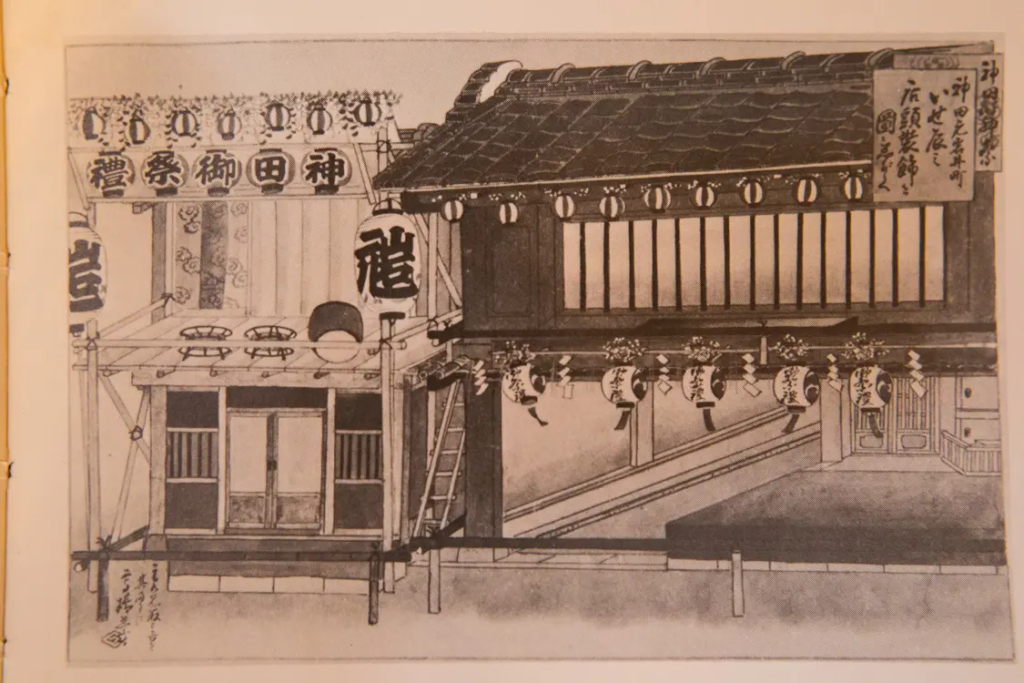
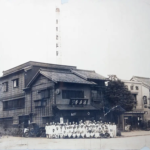
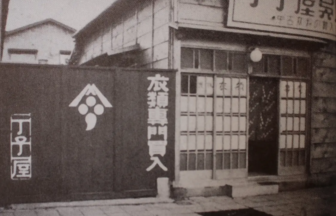
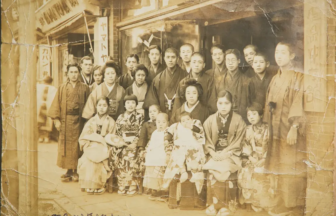
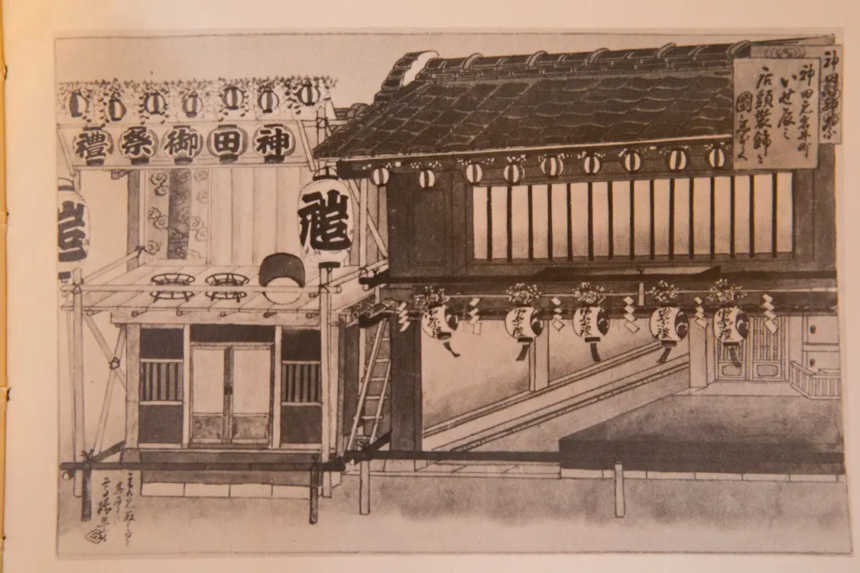
In 1864 at the end of the Edo period, the first owner, who had worked at a uchiwa (fan) wholesaler, received permission to start a new shop and opened in Motoiwai-cho, Kanda.The business began as a printing house for nishiki-e (color woodblock prints), but chiyogami and toy prints soon became popular.Although the shop and many belongings were lost in the Great Kanto Earthquake and World War II, the tradition was preserved using the evacuated woodblocks.In addition to the Yanaka main store opened in 1942, there is also a Sendagi store. The Yanaka main store, following the fourth-generation owner’s wish not to disappoint visitors from afar, is open every day of the year.
The rich colors of Edo chiyogami that can only be expressed through hand-printing

Mr. Motohito Takahashi
Sales Director of Kikujuudo Isetatsu
The vivid colors, delicate patterns, and the unique beauty of pigments soaking into washi through hand-printing cannot be fully conveyed in photos or videos.Please feel free to visit the store. You will surely find a piece that captures your heart.
This Notable Item
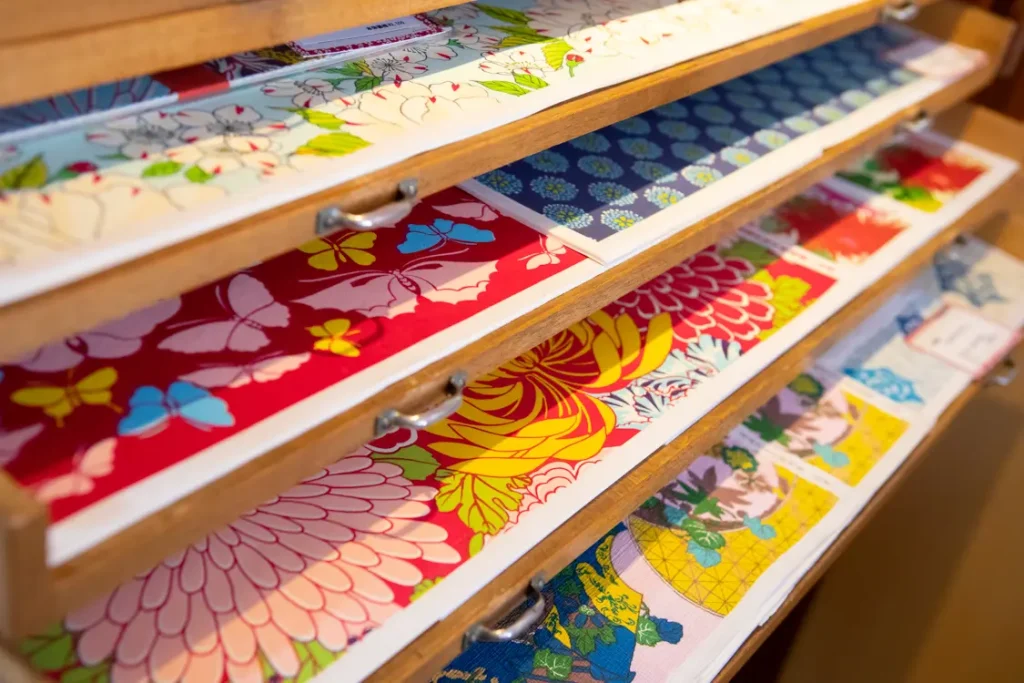
Edo Chiyogami
Edo chiyogami uses sakura wood that has been aged for decades for the woodblocks, and mainly handmade hōsho paper from Ehime.Over time, the pigments soak in and the texture of the washi changes, creating even more depth.In addition to hand-printed Edo chiyogami, there is also machine-printed “Muromachi chiyogami,” which is more affordable.
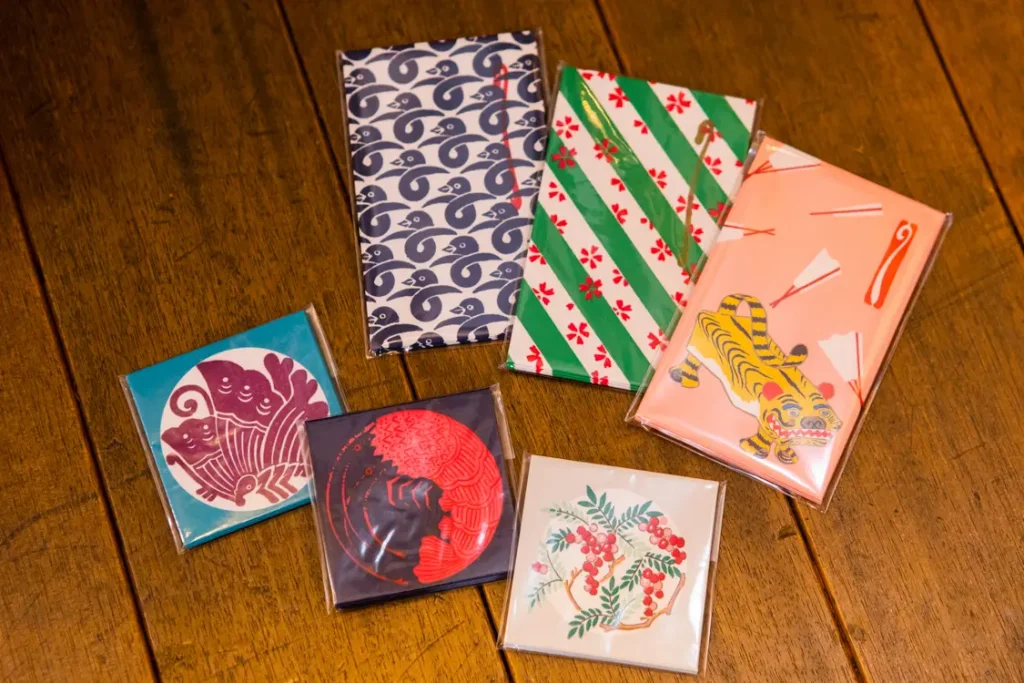
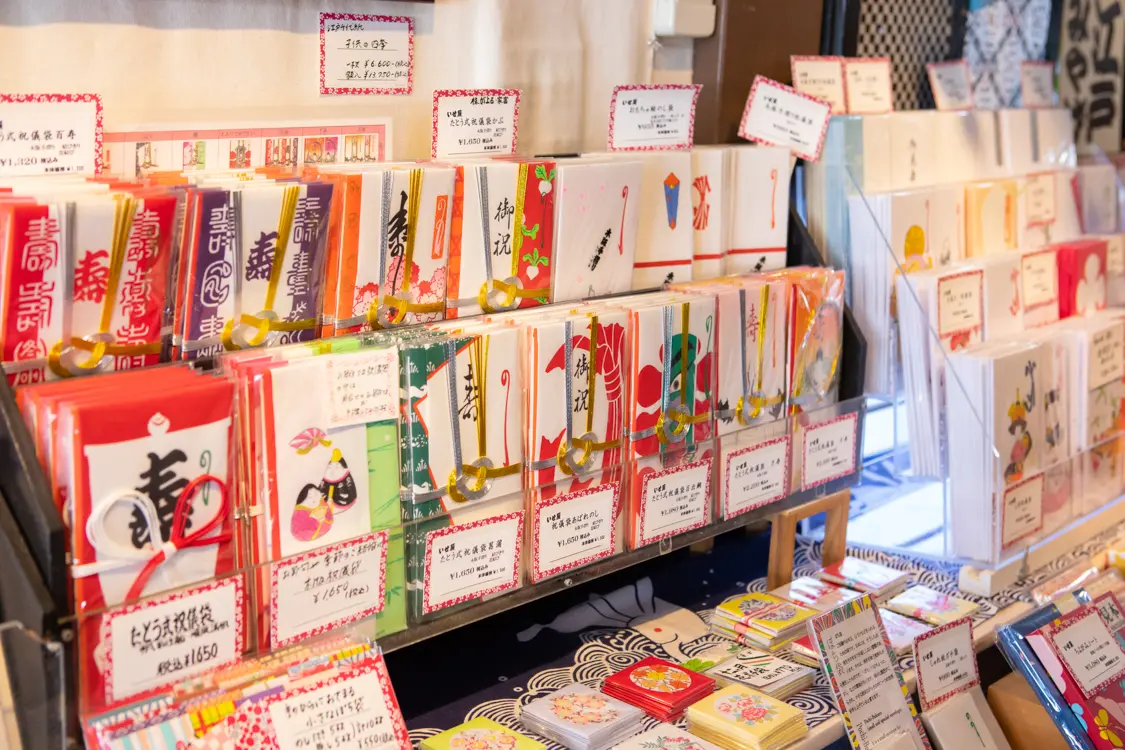
Pochi envelopes and gift envelopes
330 yen for a set of 5 for tri-fold bills, 330 yen for a set of 5 for coins
The pochi envelopes and gift envelopes made of washi come in many designs, from auspicious motifs to humorous and playful ones.There are also seasonal designs, and whoever receives one will surely want to treasure it.
Spot Overview
| address (e.g. of house) | |
|---|---|
| phone | |
| Business Hours | |
| regular closing day | |
| Payment Method | |
| External Links |