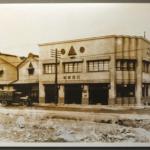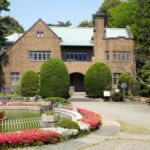


Founded in the early Genroku era (1688)
Order premium miso with a 300-year history
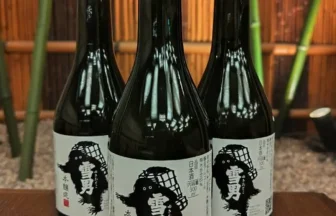
A long-established miso shop with over 300 years of history. Mainly sold at department stores and large supermarkets, but you can also buy directly from their online shop.They use only carefully selected ingredients from all over Japan, such as Koshihikari rice and kelp from Hokkaido.Thanks to techniques passed down through generations, the miso’s flavor is loved by many food connoisseurs.The types of miso include “Oedo Sweet Miso,” known as Edo-style miso, as well as “16th Generation Secret Miso” and “Kombu Dashi Miso,” offering a unique variety.Also popular is “Rikishi Miso,” a stamina-rich smooth miso said to be eaten by sumo wrestlers after intense training.The spicy Rikishi Miso can be used in various ways, such as with fresh vegetables or as a side for rice.
History
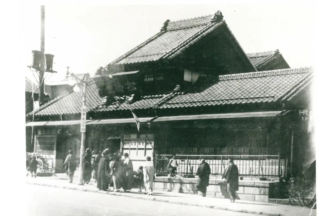
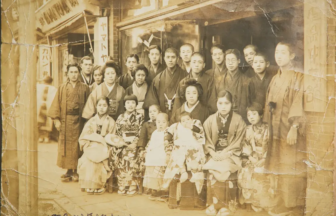
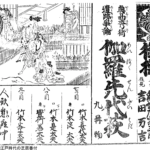
In the Keian era (1648–1651), Takeguchi Sakubei Yoshimichi from Chikuma village in Ise Province (now Nakanmachi, Matsusaka City, Mie) moved to Edo and started a lacquerware shop in Nihonbashi.Later, Takeguchi Sakubei Katsuyoshi started miso brewing at the foot of Eitai Bridge over the Sumida River under the name “Chikumaya Sakubei Shop,” marking the beginning of Chikuma Miso.It is also a historic shop visited by the famous Ako Ronin after their revenge, and this event is engraved on a monument.In the kabuki play “Yonsenryo Koban Umeba,” the line “No wonder it tastes good; miso is best at Chikuma” shows it was loved by Edo locals.
This Notable Item
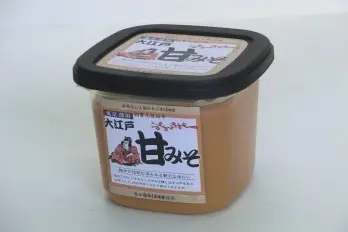
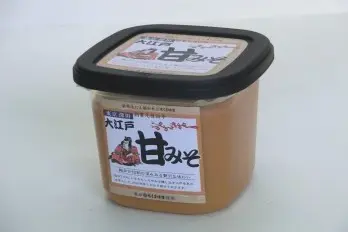
Oedo Sweet Miso (White)
6 pieces · 4,629 yen
Luxuriously uses koji, characterized by a deep sweetness
This miso revives the taste enjoyed in the Edo period. It uses a generous 12 parts koji, offering a rich sweetness. The modest salt content of 7.5% is also appealing.
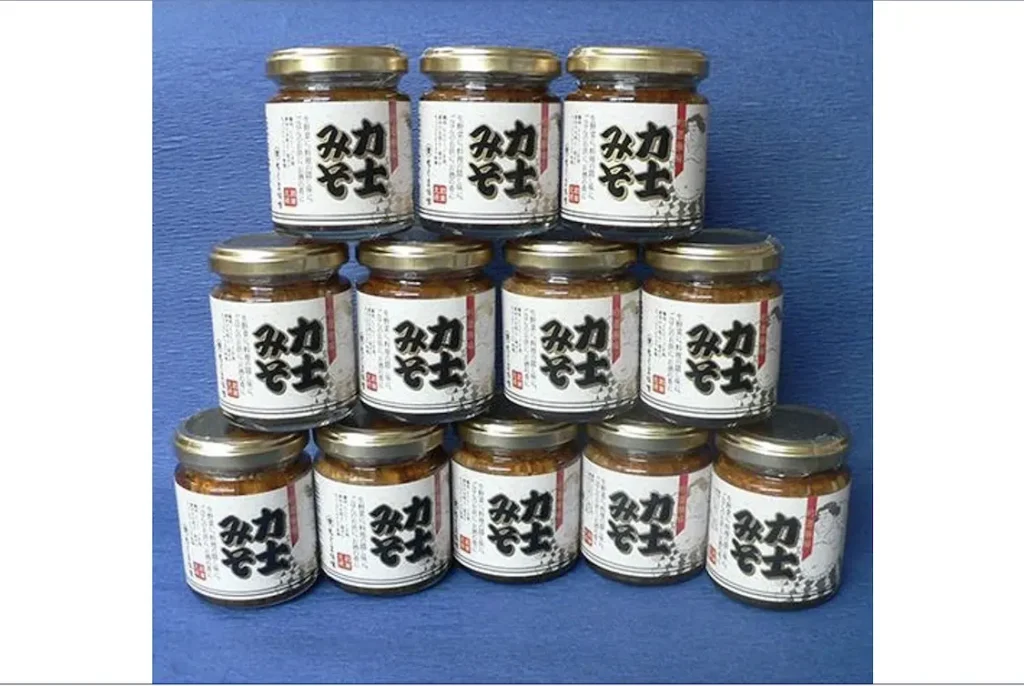
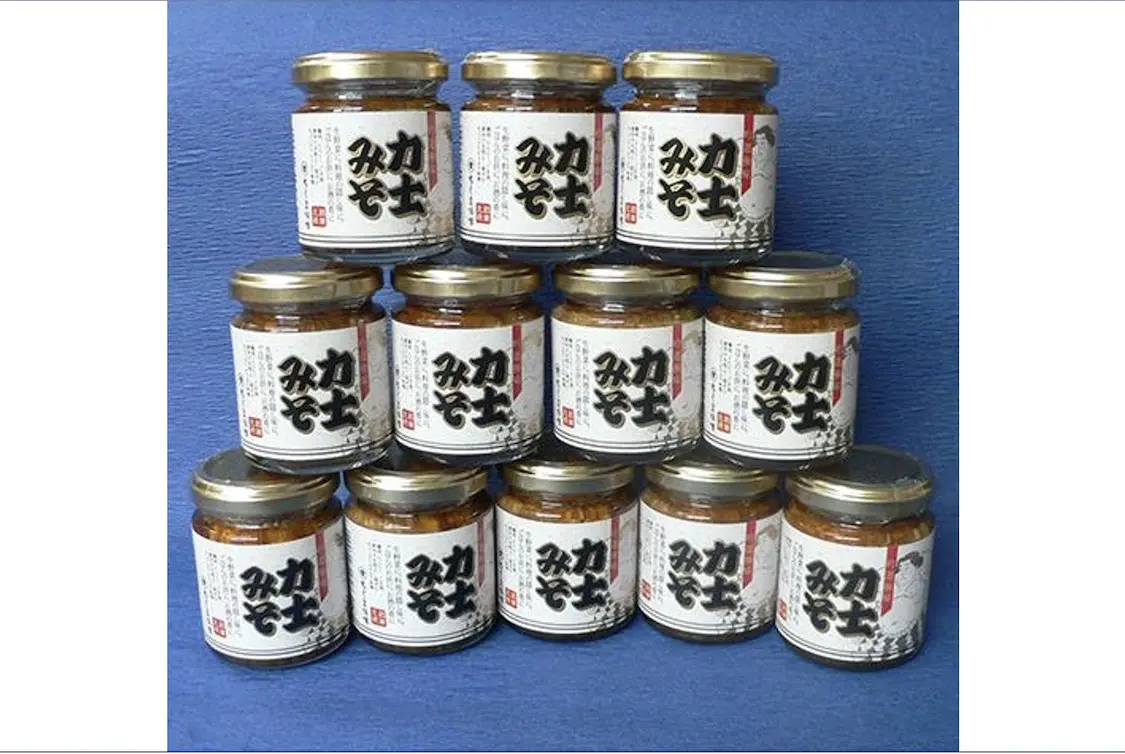
Rikishi Miso
12 pieces · 7,159 yen
Best eaten on warm rice
A smooth miso faithfully expressing the traditional taste of sumo stables. It blends chicken with garlic, chili, sesame oil, and more for an appetizing flavor. Best eaten on warm rice.
Spot Overview
| address (e.g. of house) | |
|---|---|
| phone | |
| Business Hours | |
| regular closing day | |
| Payment Method | |
| External Links |