

Founded in Tenpō 8 (1837)
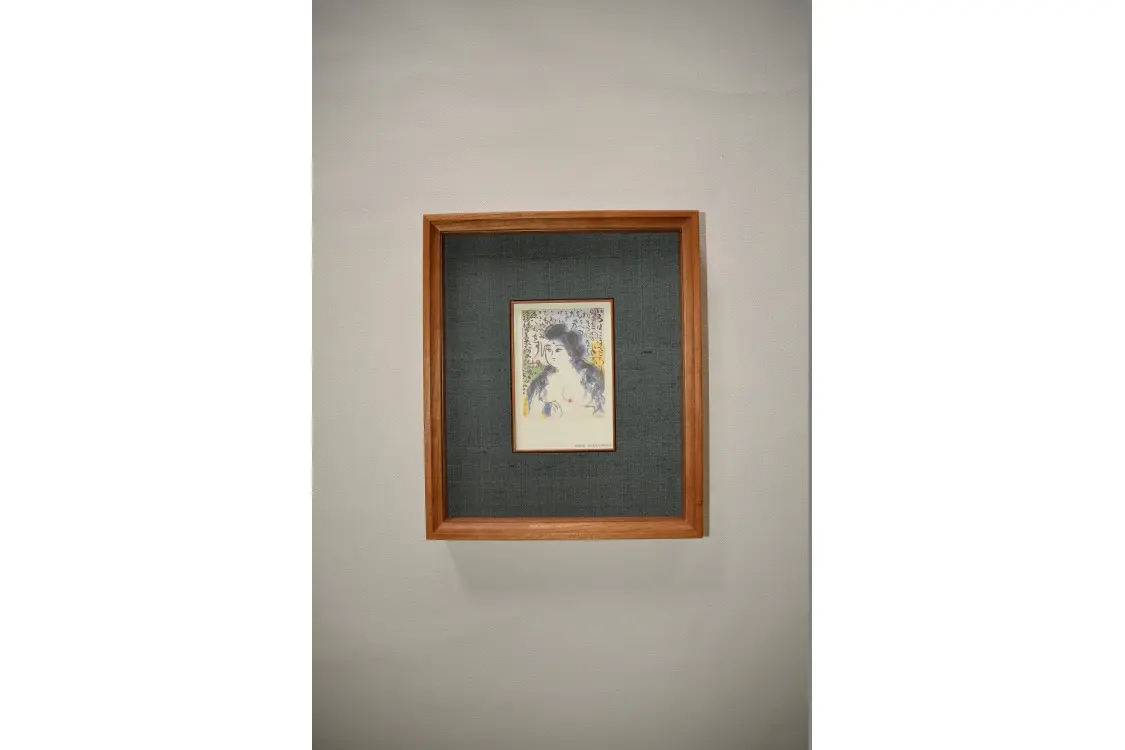
Bringing life to hyōgu through techniques passed down since the Edo period
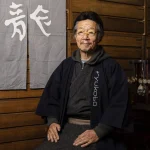
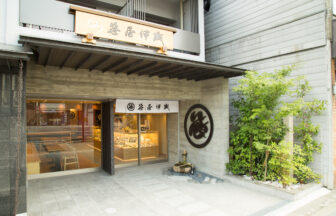
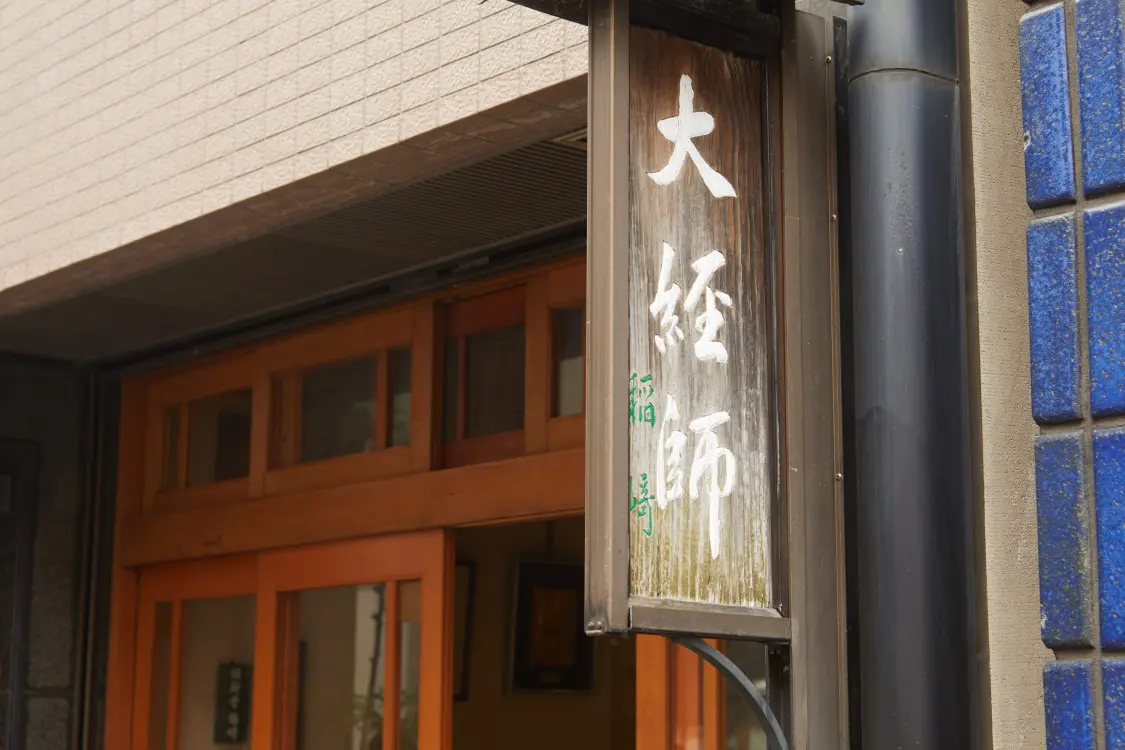
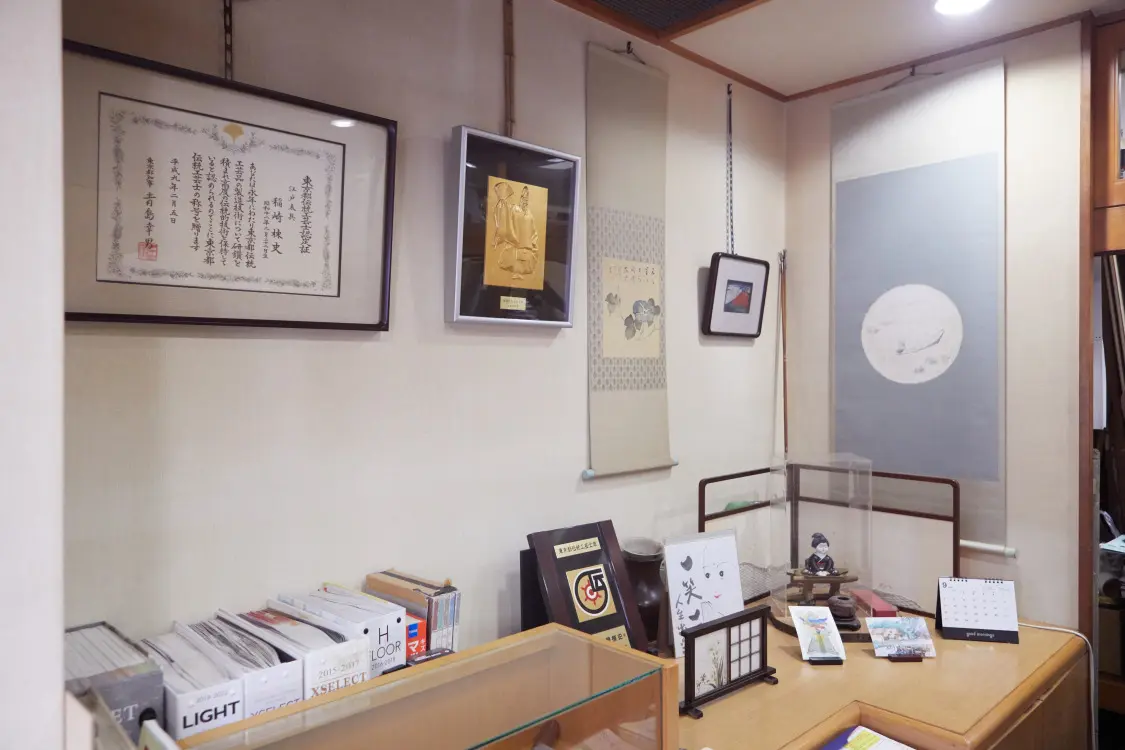
A hyōgu shop that has continued since the Tenpō era, handling the production and restoration of hanging scrolls, framed works, folding screens, and more. The history of hyōgu itself is ancient, and it is said that various forms of work were already being done in the Nara period. However, although there were once many hyōgu shops, their number fell to about 50 after the war, and today only around five remain. Among them, Keishindo Inazaki is a one-of-a-kind presence that once served the Imperial Court with the title of “Daikyōshi.”
Their main work includes making hanging scrolls, frames, folding screens, and sliding doors, arranging tea rooms, and preserving and restoring artworks and crafts. In particular, Keishindo Inazaki’s strength lies in maintaining works like those kept in museums. With reliable restoration techniques, they can revive pieces so they can be preserved for over 100 years afterward.
Today, items can be made by machines, but when chemical glue is heat-bonded, they often do not last for long periods. In contrast, hyōgu made by skilled craftsmen using aged glue (furunori) and carefully selected washi paper can be preserved far into the future.
Going forward, while passing on traditional techniques to younger craftsmen, they are also focusing on proposals suited to modern lifestyles, such as hanging scrolls remade from kimono and obi fabrics, working to further spread the appeal of hyōgu.
History
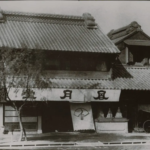
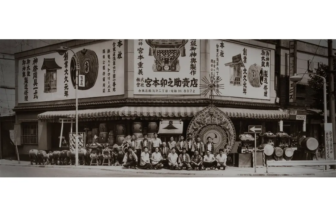
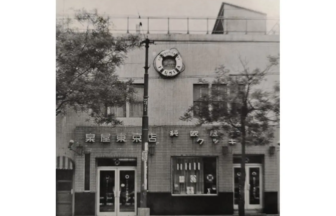
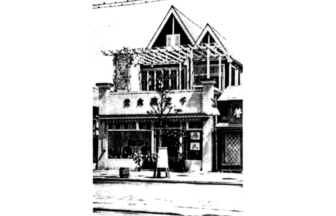
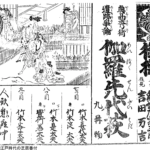
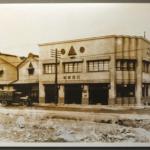
Founded in the Tenpō era (1830–1843) in Motodaikumachi, near Edo Castle (now Nihonbashi 2-chome). The shop name was “Hyōgushi Inazaki,” and the owner inherited the name “Shinpachi” through generations. Later, the shop was completely destroyed in the Tokyo air raids, so it relocated to its current location in Nihonbashi Hamachō. The shop has continued under the name “Keishindo Inazaki” to this day.
This Notable Item
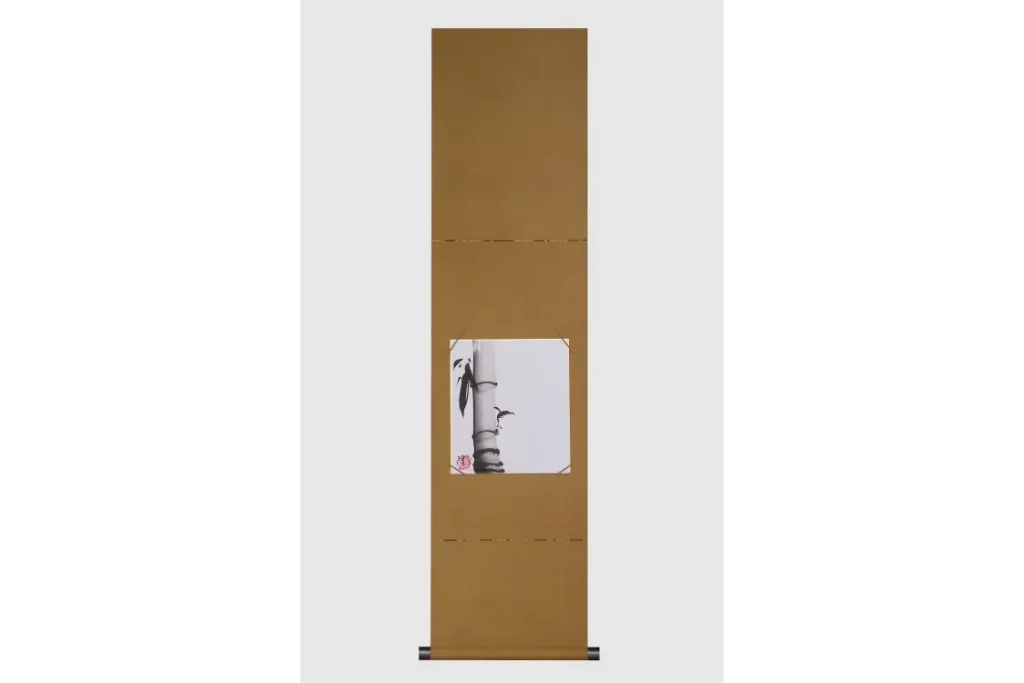
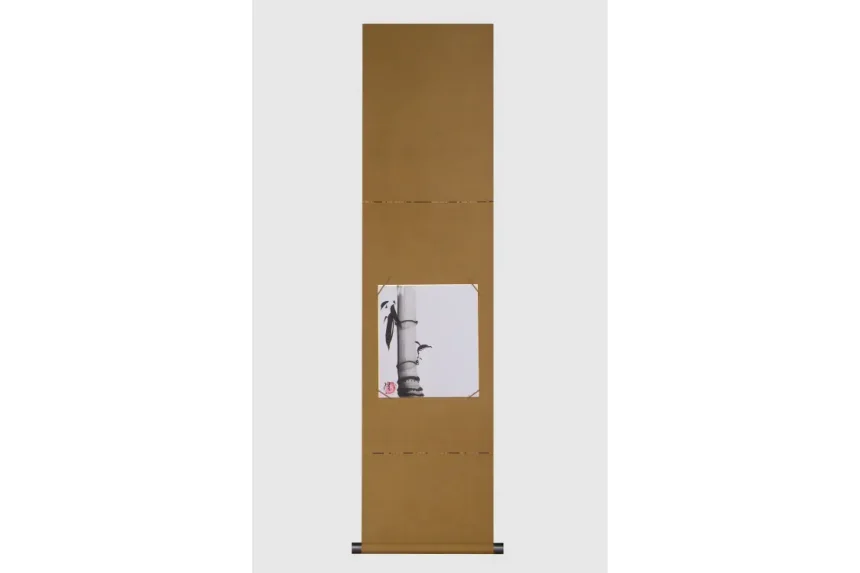
Shikishi hanging scroll
From 5,500 yen
From a wide variety of fabrics, they carefully select and combine the perfect match for the customer’s request and the artwork or calligraphy brought in, using aged glue to achieve a soft and supple finish. No two pieces can ever be the same; that sense and sensitivity create a quality that only chosen craftsmen can express.
Spot Overview
| address (e.g. of house) | |
|---|---|
| phone | |
| Business Hours | |
| regular closing day | |
| Payment Method | |
| External Links |