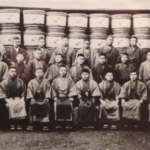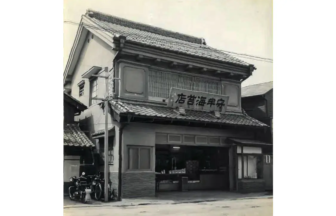


1919 (Taisho 8)
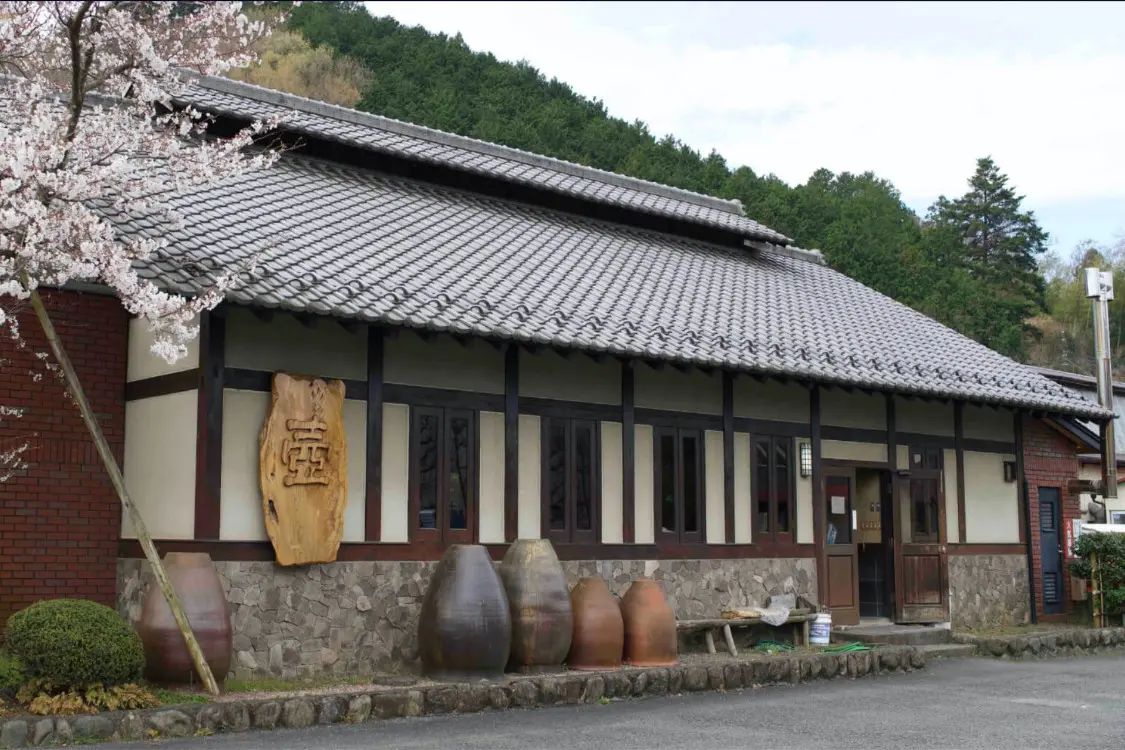

Indigo dyeing studio that continues to preserve the traditional techniques that have been used since the Edo period
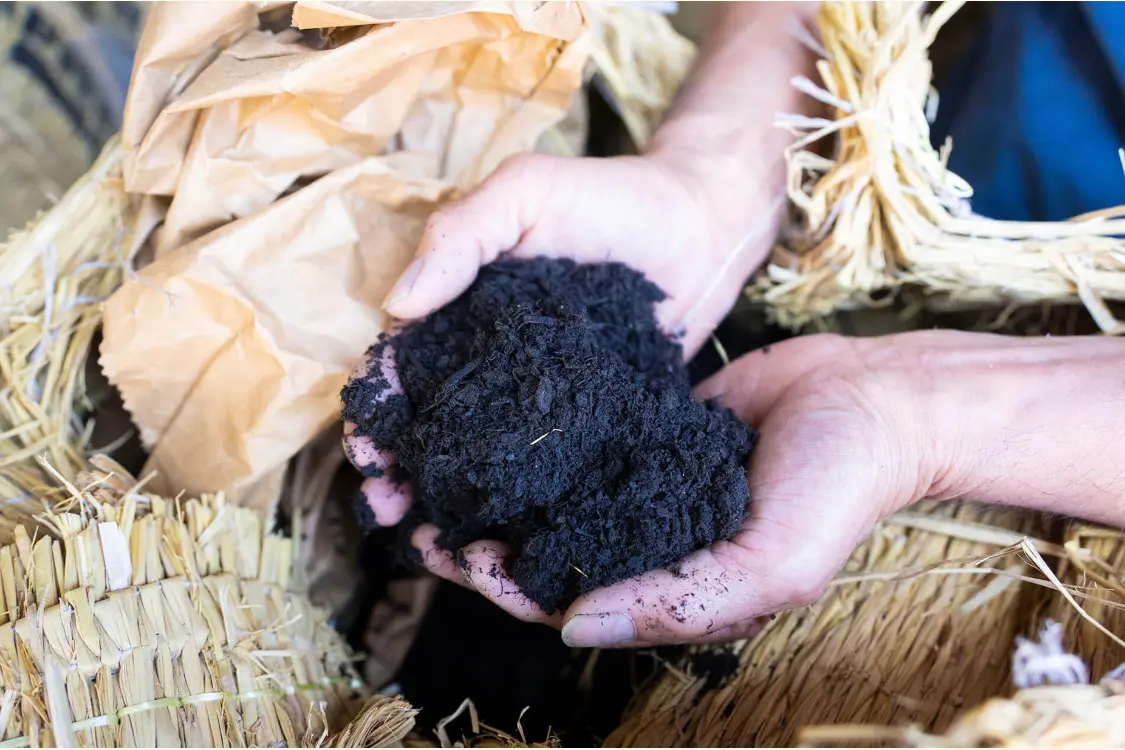
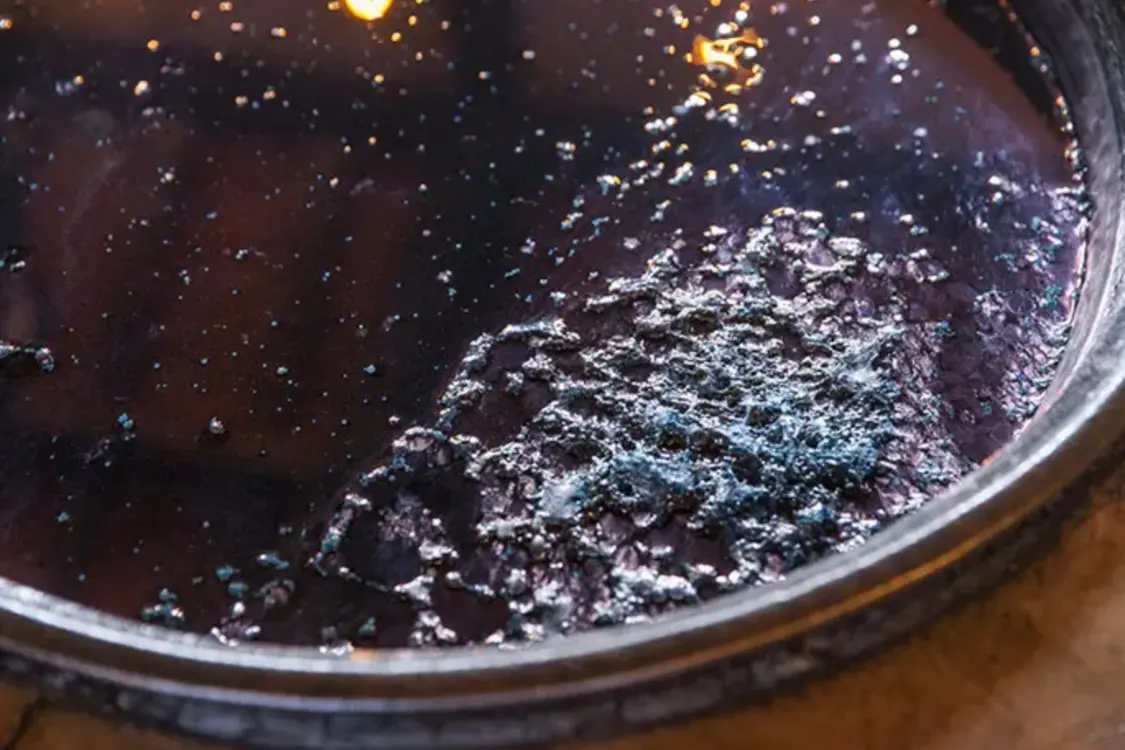
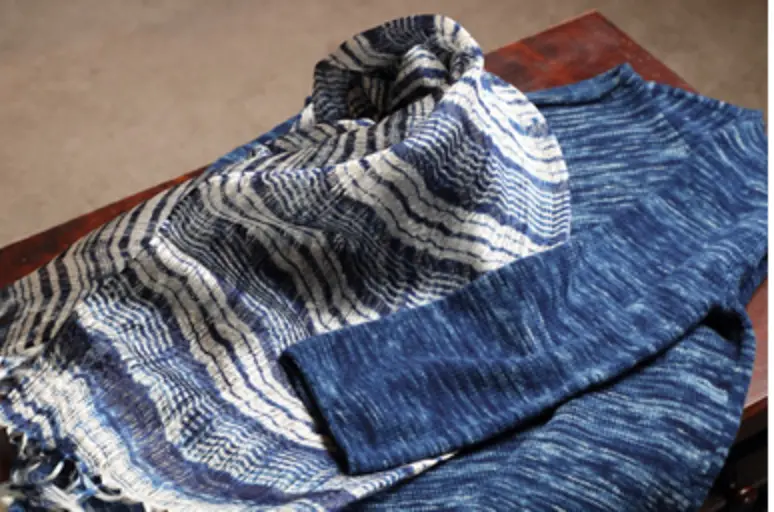
Kosoen is an indigo-dyeing studio operated by Murata Dyeing, which started out by dyeing cotton threads. Using natural indigo from Awa Tokushima, Kosoen produces innovative products one after another in Ome City, Tokyo, while adhering to the traditional technique of “natural lye fermentation” using only natural materials without using traditional chemicals. Natural lye-fermentation technique has been used since the Edo period (1603-1868). The main feature of this technique is to make dye solution by adding lye and other natural ingredients to sukumo, the raw material for indigo dyeing. While the number of craftsmen who carry on the technique is decreasing, the artisans at Tsuboso-en dye each item carefully, interacting with the “indigo,” which changes with temperature and humidity, with their bare hands.
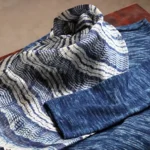
In addition, natural lye-fermentation construction uses only natural raw materials, so it is gentle to both the environment and people, and does not cause roughness to the hands. The dyed fabric is called “Japan Blue” and has sterilizing and antibacterial effects as well as UV protection. In recent years, the workshop has released a series of new items such as clothing and accessories. These products are attracting attention not only in Japan but also from overseas.
History
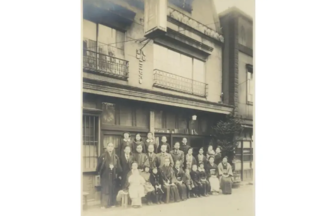
Murata Dyeing Co., Ltd. was founded in 1919 as a company that dyed brocade and other threads. Since its establishment, the company has continued to dye yarn for cloth bedding in Ome, and over time has shifted to dyeing yarn for towels, handkerchiefs, and other interior products. In 1989, we established Kosoen, an indigo dyeing studio, as a division of Murata Dyeing Co.
Let’s Try
Indigo Dyeing Experience
You can experience indigo dyeing in the workshop, where you will be instructed directly by an indigo dyeing artisan. The small-group course (9 people or less) is offered twice a day, from 10:00 and 13:00 on Fridays, Sundays, and holidays. There is a casual course for dyeing handkerchiefs, etc. and a more intensive course for dyeing cotton stoles, etc. Groups of 10 or more people can also apply. The charm of this course is that all the necessary items are provided, so you can participate without any supplies.
*Please make a reservation in advance.
Spot Overview
| Address: | 8-200 Nagabuchi, Ome City, Tokyo |
|---|---|
| Phone: | 0428-24-8121 |
| Business hours: | 10:00–18:00 |
| Closed: | Tuesdays |
| Payment methods: | ・Cash ・Credit cards (VISA, MASTER, JCB, American Express, Diners Club, UnionPay, DISCOVER) ・PayPay |
| External Link: | Official Website |