

Established in Meiji 7 (1874)
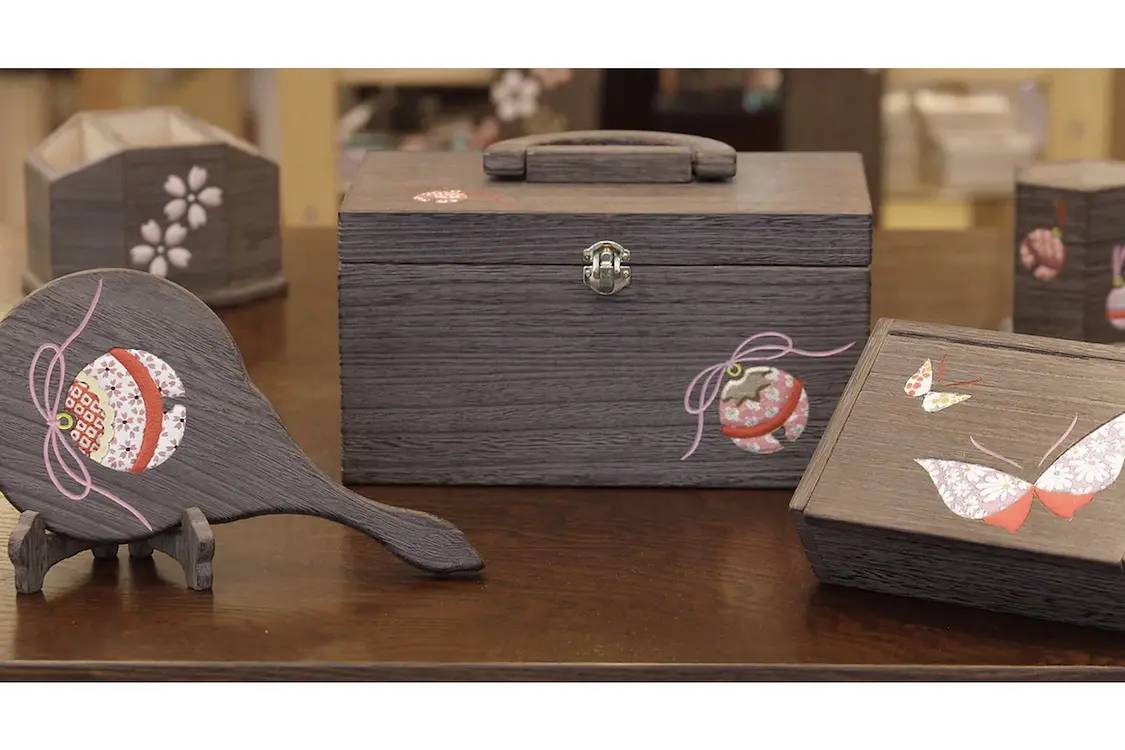
Brightly decorated paulownia crafts brighten everyday life
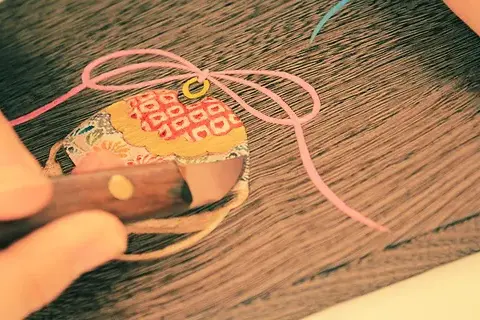
Hakocho makes and sells paulownia furniture and small items. Their products feature a unique technique called “Paulownia Wood Grain Inlay.”Paulownia Wood Grain Inlay is a technique where auspicious designs like gourds and dragonflies are drawn on paulownia wood, carved, and then silk kimono fabric backed with Japanese paper is inlaid into the wood grain.The result is a bright craft that combines the warmth of wood and fabric.
Kenji Miyata, the fourth generation, was recognized as an “Outstanding Skilled Artisan of Taito Ward” for his delicate work in Paulownia Wood Grain Inlay.
The monthly “Paulownia Wood Grain Inlay Workshop” lets participants choose their own kimono fabric and try inlaying on paulownia wood that has already been carved.In the first session, participants make three small “lucky boxes” with simple designs of fans, gourds, and cherry blossoms. Beginners can participate safely as careful instruction is provided.
History
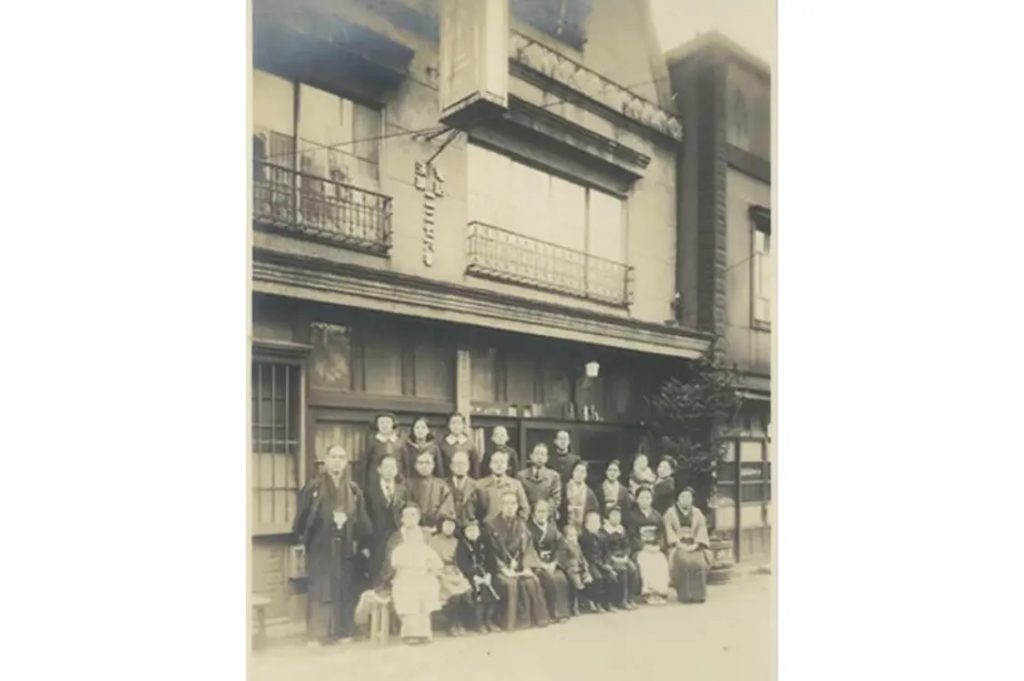
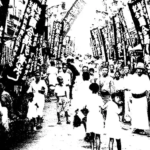
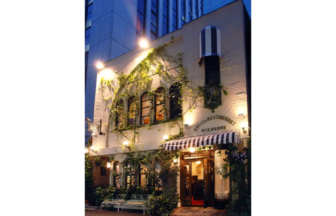
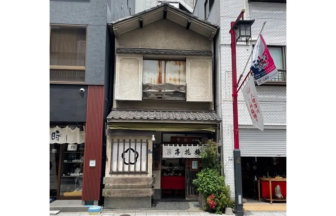
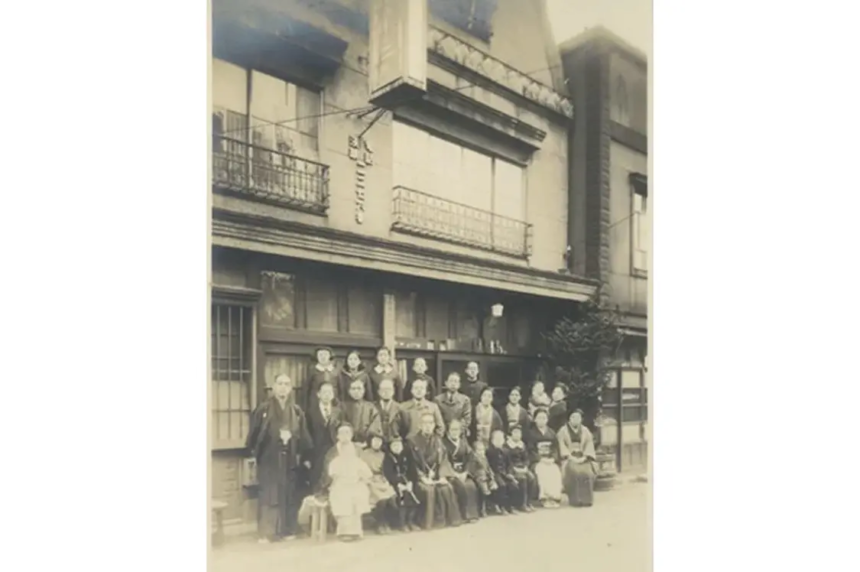
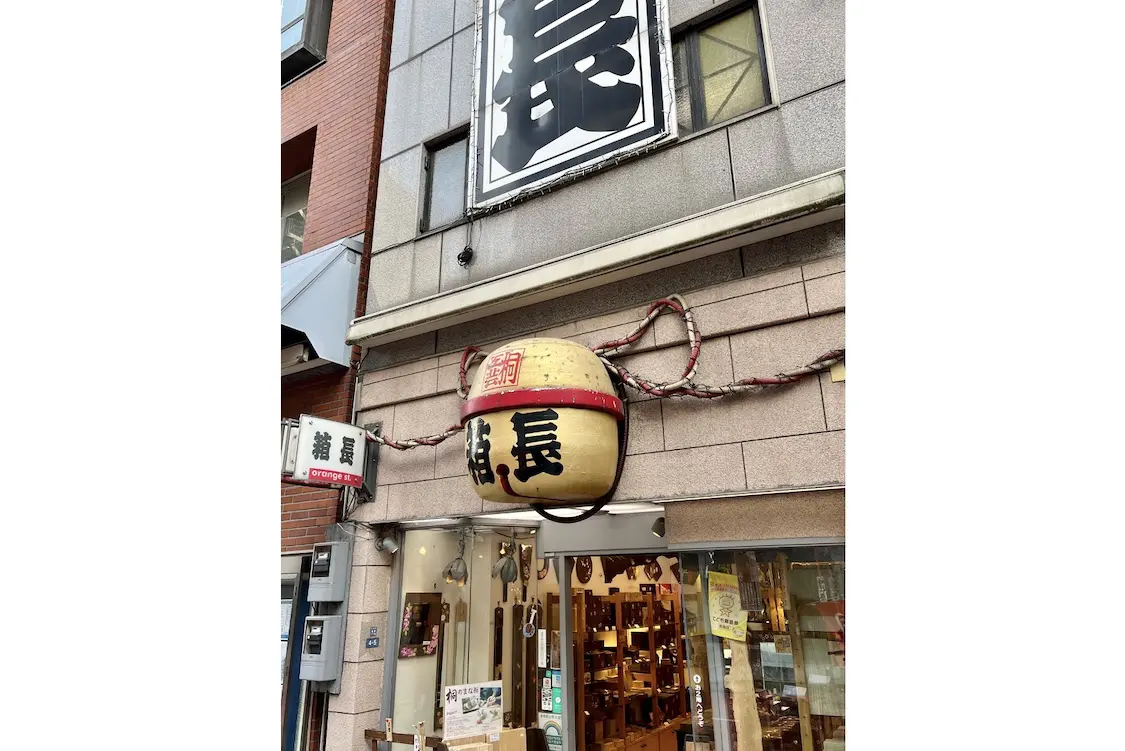
It all began in Meiji 7 (1874) when the first generation, Chojuro Miyata, founded “Miyata Chojuro Store.”Since its founding, the store has been loved in Asakusa as a shop handling paulownia crafts.The name changed to “Hakocho” in Showa 58 (1983), and the Orange Street Store opened in Heisei 16 (2004).
This Notable Item
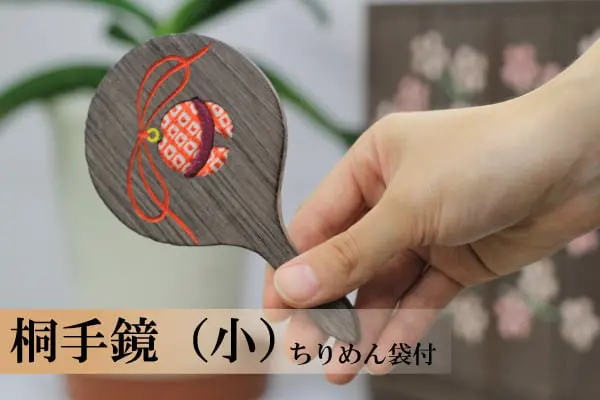
Small Paulownia Hand Mirror with Chirimen Bag
4,400 yen
A baked paulownia hand mirror with Paulownia Wood Grain Inlay. You can choose from three designs: bell, butterfly, or gourd.Comes with a cute chirimen bag for easy carrying. Medium and large sizes are also available for home use.
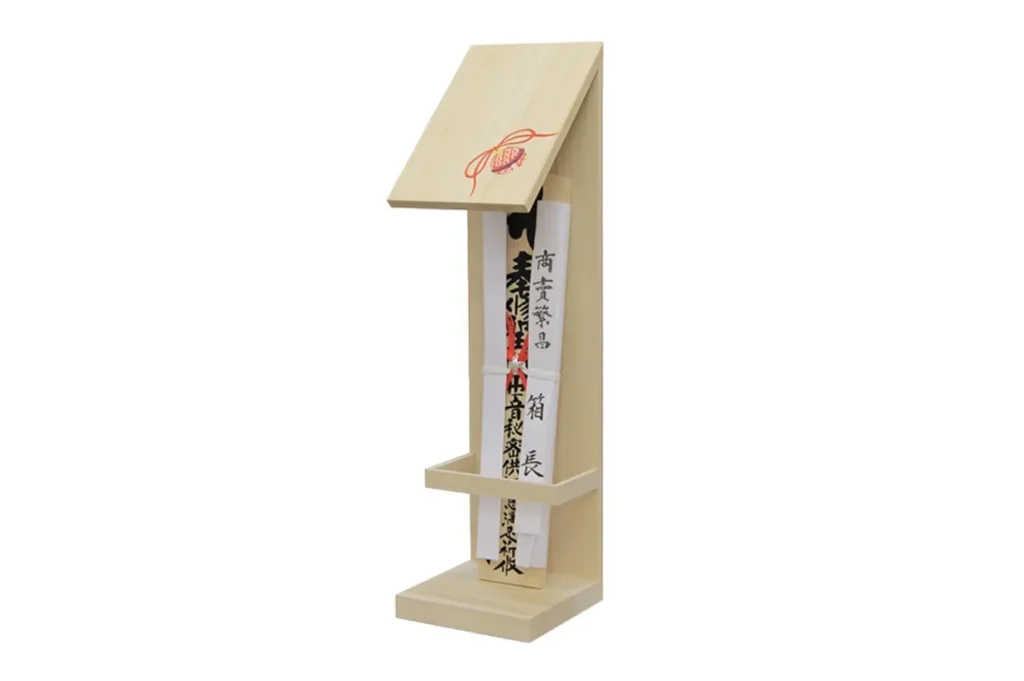
Ofuda Stand, Design: Bell
7,480 yen
A simple and solemn all-paulownia stand for temple ofuda. The bell design gives a gentle impression.It can be placed on shelves or hung on walls, making it suitable for small spaces.
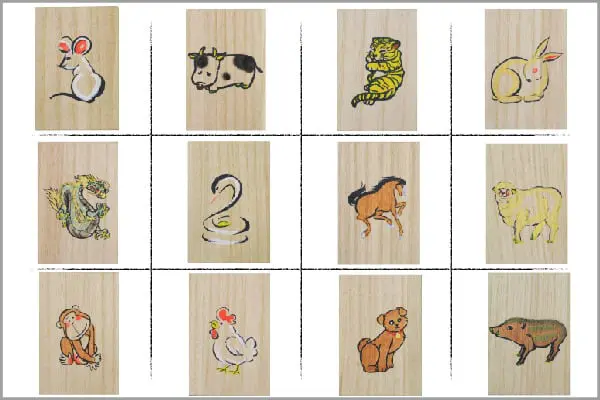
Umbilical Cord Case
1,100 yen each
A paulownia box with the twelve zodiac signs drawn on it. Inside is a chirimen base, ideal for storing the umbilical cord or other precious items.Also recommended as a gift for newborn celebrations.
Let’s Try
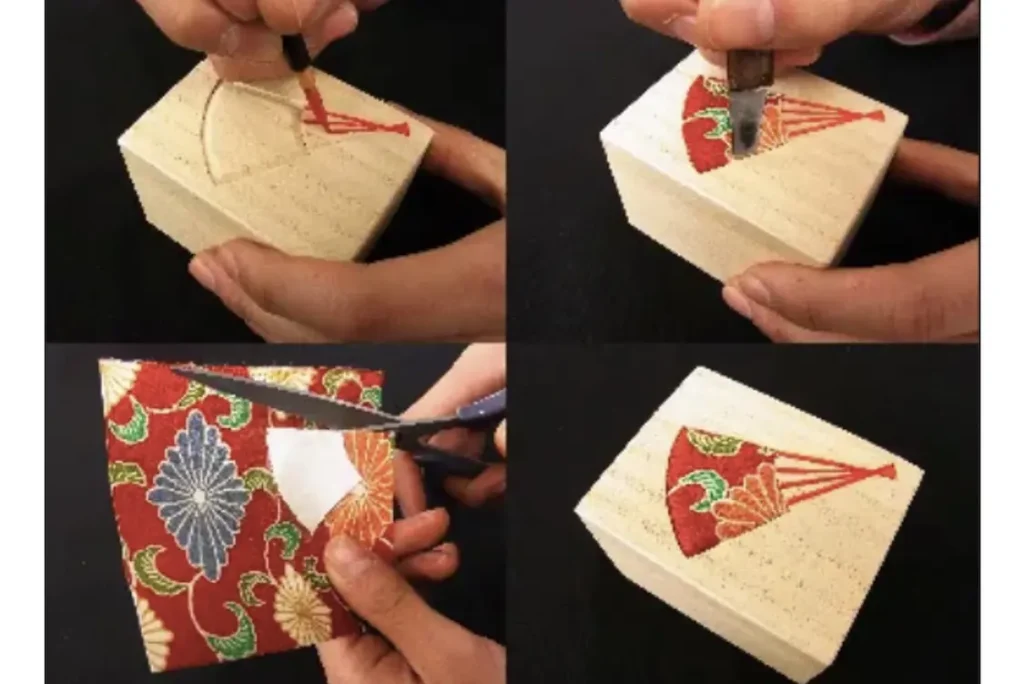
Paulownia Wood Grain Inlay Workshop
The “Paulownia Wood Grain Inlay Workshop” is held on the 2nd floor of the Orange Street Store, once a month on Thursday from 14:00 to 16:00.Participants inlay the wood using their chosen fabric on a pre-carved wooden base.All tools are provided, so you can join empty-handed.The fee is 3,000 yen for the first and second sessions; from the third session, prices vary depending on the item made.Reservation required. For dates and booking details, please check the official website.
Spot Overview
| address (e.g. of house) | |
|---|---|
| phone | |
| Business Hours | |
| regular closing day | |
| Payment Method | |
| External Links |