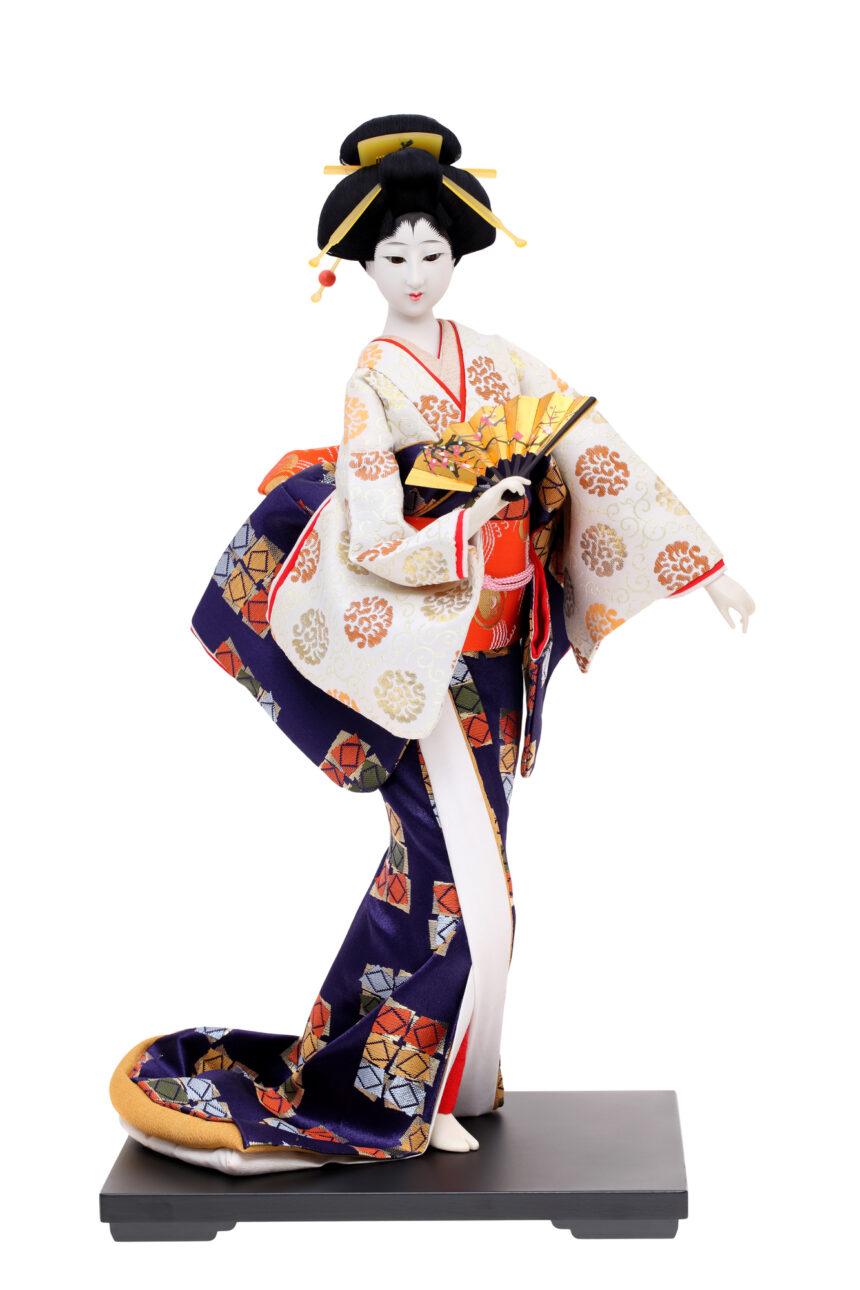
Japanese doll” is a generic term for dolls traditionally made in Japan. What types are there?

puppet

Japanese doll” is a generic term for dolls traditionally made in Japan. What types are there?(nihonningyo).

traditional craft

A generic term for a variety of dolls traditionally made in Japan. They vary in style depending on the period, region, materials, and production method. They began as religious objects to pray for a good harvest, safe delivery, and good health, and to take the burden of misfortune off their shoulders, and later developed as objects to be admired or toys. In general, the term “Japanese doll” often refers to “costume dolls” and “Ichimatsu dolls,” which depict a typical Japanese woman wearing a kimono and tying her hair in a Japanese style. The range of dolls is wide, from ornamental objects displayed in the home to crafts with high artistic value.

新着・おすすめ情報

  1. Inokashira Onshi Park

  2. end of the year

  3. The taste of soba-tsuyu is the character of the restaurant. What is the taste that Sarashina Nunoya has continued to preserve?

  4. I was a junior high school student when I made up my mind. The determination of the fifth generation to run Japan’s oldest bar, Kamiya Bar.

  5. Developing original materials with attention to detail, starting from the fabric. Shukusen, a long-established manufacturer of yukata loved by kabuki actors in the Edo period [Part 1

  6. Ruins of Kirishitan residence (Myogadani, Tokyo)

  7. What is “Arabashiri”? Words related to Sake

  8. Suka Shrine (the outer shrine of Ise Shrine)

  9. Yigyoin Temple / Sukeroku and Agemaki Hiezuka (Takenotsuka, Tokyo)

  10. Anyone can do it by themselves! Basic yukata dressing – men’s version

  11. Okadaya Fuse” has a history of 188 years.

  12. 【第19回】家庭でも美味しく乾麺の蕎麦を茹でる方法

  13. stalk (of a mushroom, leaf, etc.)

  14. mochi containing red bean paste

  15. bones left after cremation (esp. those of a Buddha or Boddhisatva)