Yamamoto-Tei (aristocratic group of pious men)

constructionKameari/Shibamata

Yamamoto-Tei (aristocratic group of pious men)(Yamamoto-tei)

Japanese-style gardenstrolling on the street

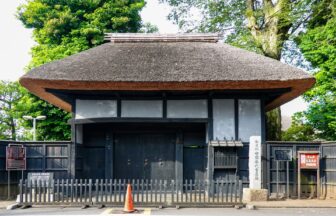
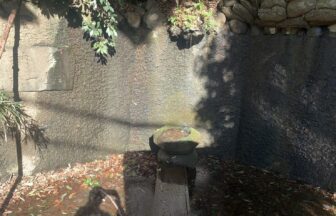
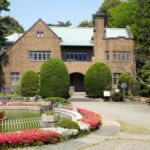
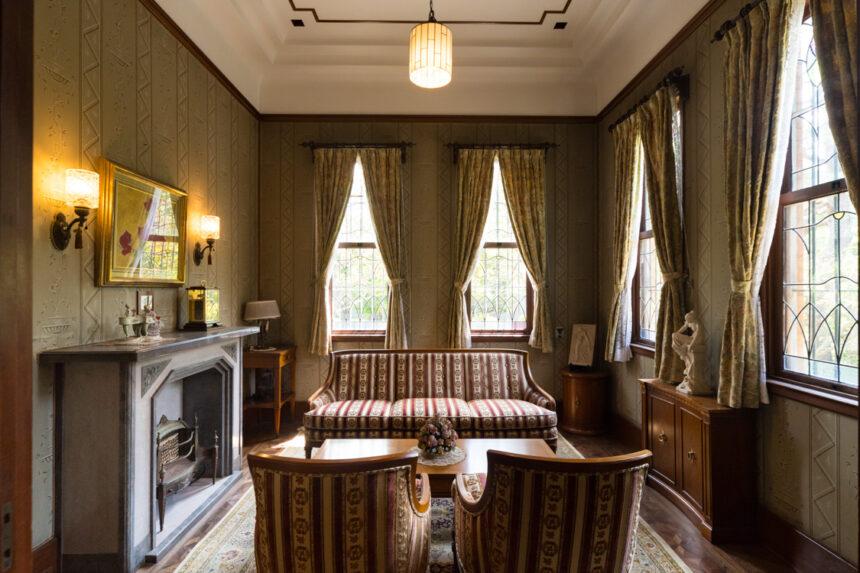
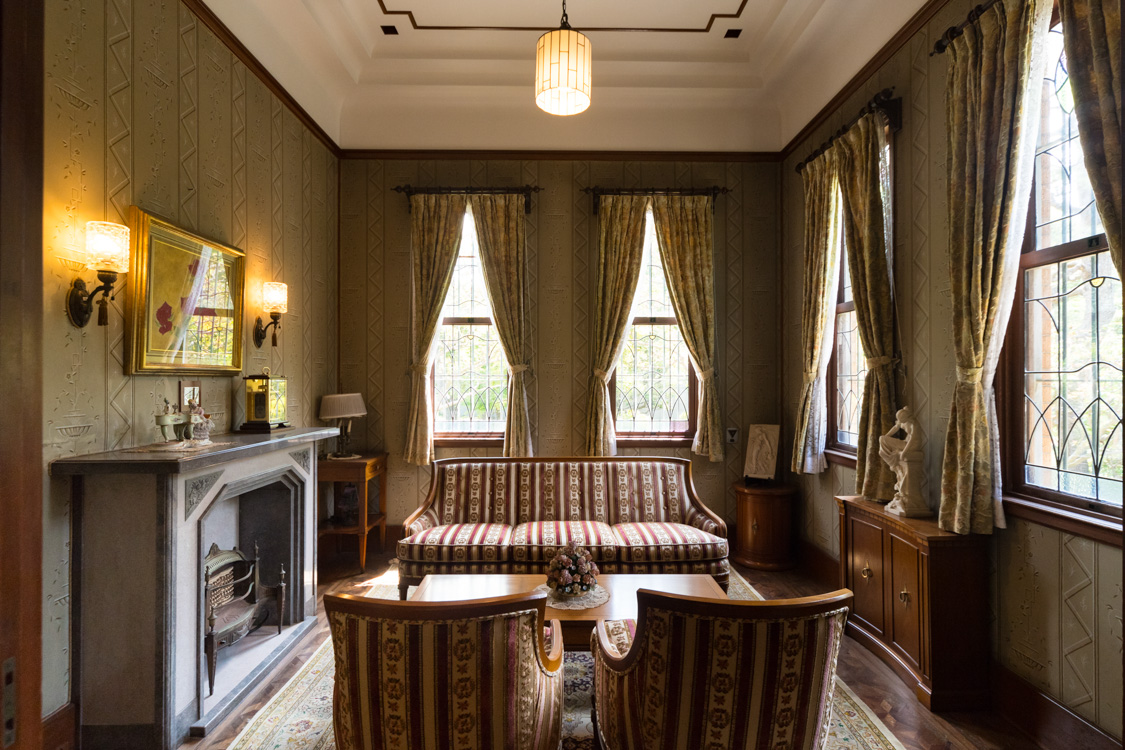
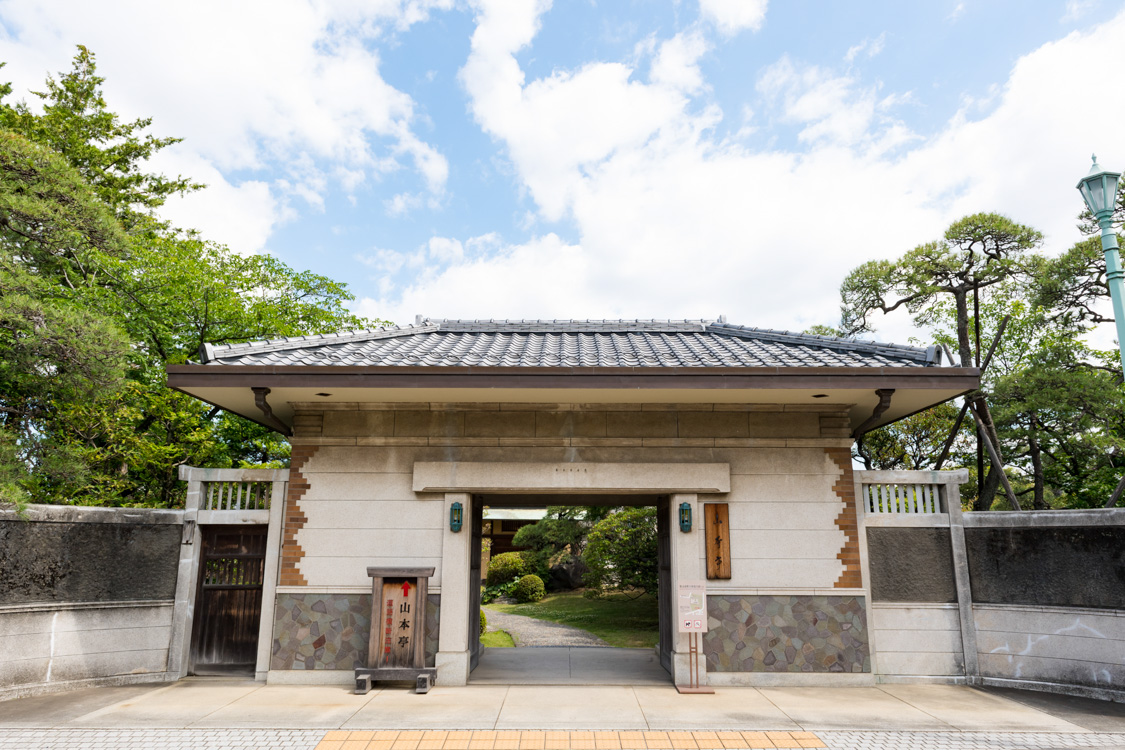
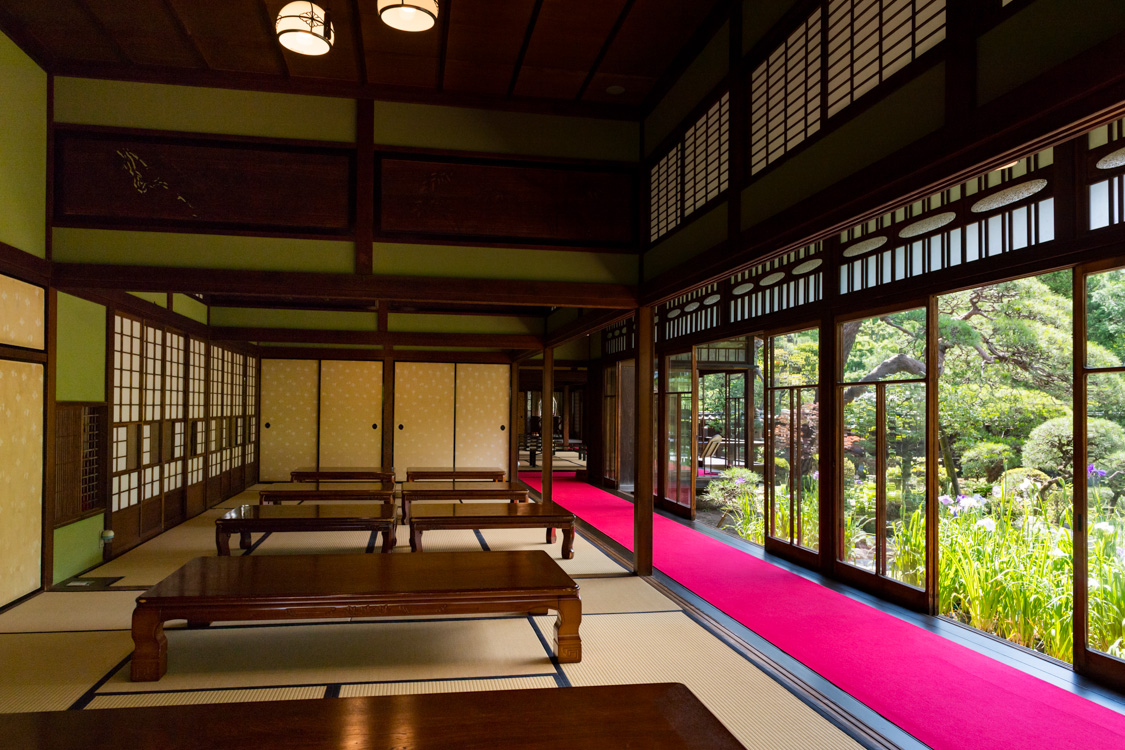
Yamamoto-tei is characterized by a blend of Japanese and Western architecture, incorporating Western features into a traditional shoin-style building. Built in the late Taisho Period as the residence of Einosuke Yamamoto, founder of the Yamamoto Factory (a camera parts manufacturer), the house was moved to Shibamata after the Great Kanto Earthquake of 1923, and was acquired by Katsushika City, where it has been open to the public since 1991. The house was extended and remodeled by the early Showa period (early 20th century), and the Western-style architecture that was popular at the time is combined in the Western-style guest rooms and nagayamon (row house gate). The Shoin Garden has been highly acclaimed overseas as well, being selected as one of the top gardens in the U.S. by a Japanese garden magazine. Visitors can also stop by the adjacent Tora-san Memorial Museum in Shibamata, Katsushika, and the Yoji Yamada Museum.

Spot OutlineOutline

address (e.g. of house) 7-19-32 Shibamata, Katsushika-ku, Tokyo
Access 8 minutes from Shibamata Station on the Keisei Kanamachi Line

phone 03-3657-8577
Business Hours 9:00〜17:00
regular closing day 3rd Tuesday of the month (or the weekday immediately following the 3rd Tuesday of the month if the 3rd Tuesday of the month falls on a national holiday), 3rd Tuesday, Wednesday, and Thursday in December
External Links

Official Web Site

Founding and opening of business Taisho period (1912-1926 CE)

新着・おすすめ情報

  1. dried confectionary

  2. mound containing a monument to Shomon (i.e. a place of scenic beauty)

  3. day of the ox in midsummer (during the hottest season)

  4. 【第17回】「田舎蕎麦」と「更科蕎麦」の違いとは

  5. To make Japanese “tea culture” widely known. Flexibility of “Gyokuho-Do” to change with the times.

  6. Yagenbori Fudoin (Nihonbashi, Tokyo)

  7. When do we display the “Akumayumi” outside of Children’s Day? Explanation of its origin

  8. Hanazono Shrine

  9. Hamura Intake Weir

  10. temple in honor of Daikokuten

  11. Sainenji Temple (Tomb of Hattori Hanzo) (Yotsuya, Tokyo)

  12. sweet half sake

  13. What does “agari” mean? Its origin is also explained.

  14. 【第19回】家庭でも美味しく乾麺の蕎麦を茹でる方法

  15. 【第2回】美味しい蕎麦屋を見分けるコツは、お客様の「姿勢」を見ること