

historic siteIkebukuro/Akabane
Sugamo Koshinzuka (Sugamo, Tokyo)(Sugamo Koushinzuka)
post townIssa KobayashiHiroshige UtagawaSarutabiko
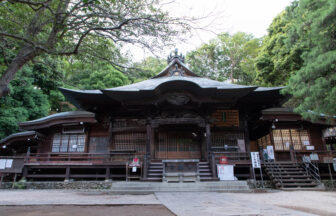
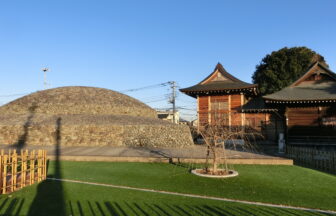
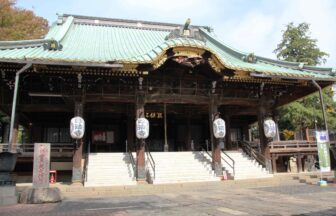
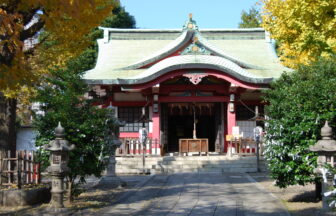
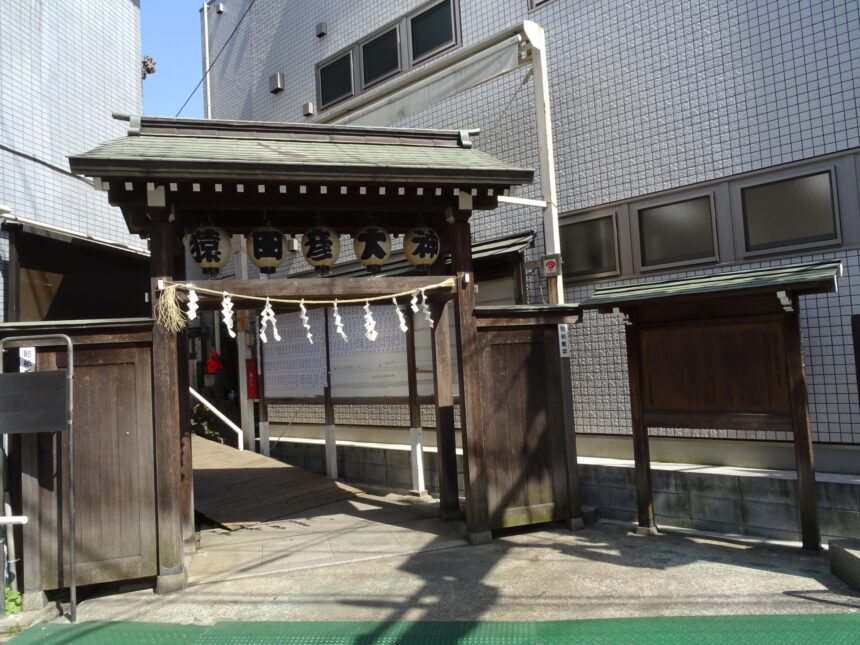
The Koshinzuka of Sugamo is said to have been founded in 1502 when a Koshinzuka (a pagoda for the dead) measuring eight feet high was erected. In the Edo period (1603-1867), the temple was very popular as a resting place for travelers with many teahouses because of its proximity to Itabashi, a post station on the Nakasendo (Highway of Mt. Nakayama). At that time, the Koshinto was also used as a guidepost. It is also depicted in an ukiyoe woodblock print by Hiroshige Utagawa, and there is a poem written by Issa Kobayashi who stopped by the teahouse. Although the pagoda itself does not exist today, there is now a kenshindo (a shrine for the dead), where the deity Sarutahiko, known as the god of the road and the god of travelers, is enshrined.
Spot OutlineOutline
| address (e.g. of house) | 4-35 Sugamo, Toshima-ku, Tokyo |
|---|---|
| Access | 1 min. from Toden Koshinzuka Station |
| phone | nashi (Pyrus pyrifolia, esp. var. culta) |
| External Links | |
| Founding and opening of business | 1502 (2nd year of the Bungei Era) |