ridges on a blade (sword, knife, etc.)

armour

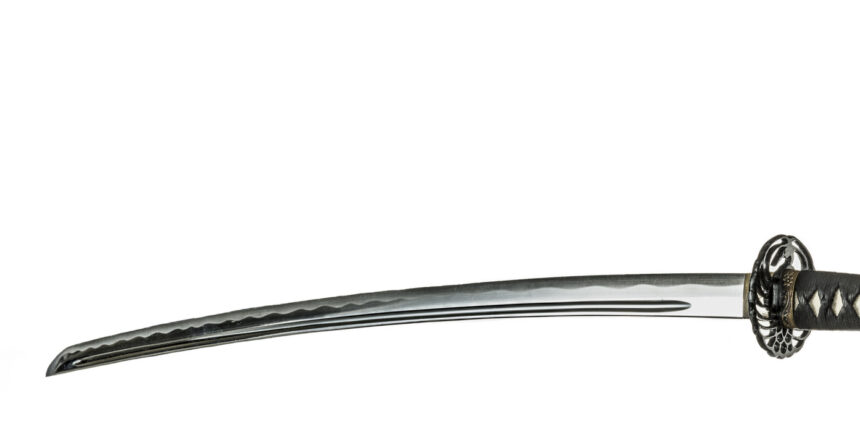
ridges on a blade (sword, knife, etc.)(shinogi)

Japanese sword

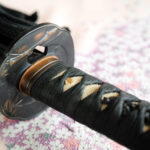
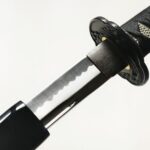
The high, vertical line running between the blade and the mune on the side of the sword blade. This line is called “Shinogi-suji. The blade of a sword with shinogi-suji is thinner and lighter. This makes the blade sharper and easier to handle in battle.
This technique of making the blade thinner and lighter makes the blade sharper and easier to handle in battle. Originally, the focus was on “thrusting” attacks with a straight sword without Shinogi, but this changed to “stroking and cutting” attacks with a swinging sword, and the sharpness and lightness of the blade, as described above, came to be demanded. If the blade is made thin all over, it is more likely to break, but by leaving a thicker section with Shinogi, the blade can remain sturdy and resistant to breakage.
The term “sharpen Shinogi-” is derived from the fact that the two blades are so close to each other that their Shinogi-line touches each other, and the word “sharpen” is used to describe the fierce struggle between them.

新着・おすすめ情報

  1. Rikugien

  2. Katsusenji Temple (Kitasenju, Tokyo)

  3. arms

  4. large sword

  5. 【第21回】古文書から紐解く江戸につながる「そば切り」の伝承

  6. The important thing is to build a steady network. Nakazawa Nyugyo Co., Ltd. is expanding its business with the spirit of “Be with each other and do business with each other.

  7. Matsui Sake Brewery once closed. A closer look at the creative sake brewing process at the revived brewery.

  8. What to do on the far shore for ancestor memorial services? What to wear, what to bring, and what to do on the day of visitation.

  9. When is the day of the Ox in 2023? What is the origin and the reason for eating eels?

  10. Tips for enjoying “summer kimonos” in a cool and fashionable way.

  11. paper knot

  12. women’s bridal robe with trailing skirts worn over a kimono

  13. Ubukeya is a knife store specializing in kitchen knives, scissors, and hairpins. The ultimate “sharpening” that even makes a paper-cutting artist say, “It’s so sharp, I’m in trouble!

  14. The history is more than 670 years old. Shioze Sohonke”, the creator of “sweet Japanese buns” with a grand history.

  15. Rinsenji Temple, Shibare Jizo (Myogadani, Tokyo)