What is the temperature of “hot sake?” Explaining the Temperature of Heated Sake [Words Related to Sake].

Sake & Tea

What is the temperature of “hot sake?” Explaining the Temperature of Heated Sake [Words Related to Sake].(Atsukan)

Japanese rice wine

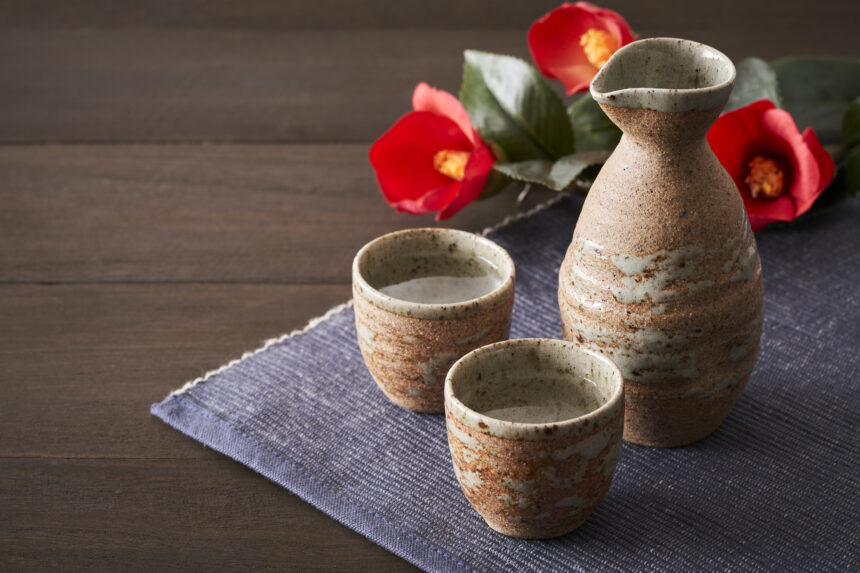
Warm sake is called “heated sake,” and there are six different names for it depending on the temperature at which it is heated. Hot sake is one of these, and refers to sake that has been heated to around 50 degrees Celsius. Hot sake has a crisp flavor, and sake warmed to 55°C (55°F) is even hotter and more aromatic and stimulating; sake warmed to 45°C (45°F) has a balanced flavor and a crisp finish; sake warmed to 40°C (40°F) is lukewarm, with a fuller flavor and richer aroma; and sake warmed to 50°C (50°F) has a crisp flavor and richer taste. Heating to 40°C (104°F) gives it a fuller flavor and richer aroma. Some households use a microwave oven.

新着・おすすめ情報

  1. Asakusa 1 Day Sightseeing Plan] Tour Asakusa’s long-established shops! 5 spots where you can feel history and tradition

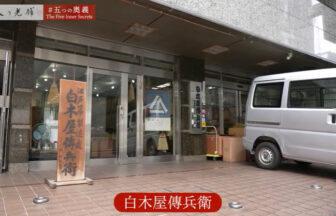
  2. Shirokiya Denbei, a long-established shop of all-natural, 99% handmade Edo-style brooms. Why has the tradition been preserved for nearly 200 years?

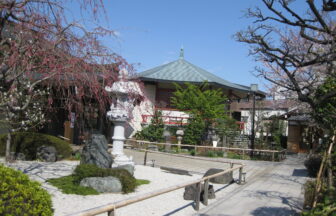
  3. Ryugenji Temple (Kameido, Tokyo)

  4. Where does “Mikosui” come from? What are its characteristics? Words related to sake

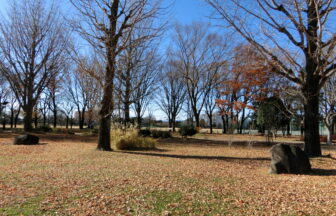
  5. Musashino Central Park (Musashino, Tokyo)

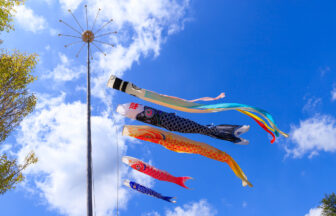
  6. Why is “Koinobori” carp? The reason is said to be based on Chinese folklore.

  7. Kazari-uma” decorated on Children’s Day. What kind of vehicle is the white horse considered to be?

  8. Mukozuke” is served at the beginning of kaiseki cuisine. What is the origin of its name?

  9. What is the meaning of “hi-ire” in sake making? Words related to Sake

  10. The company has 25,000 followers on social networking sites! Nihonbashi Benshitsu Sohonten, Japan’s oldest bento shop that delivers the taste of a long-established shop while using modern tools.

  11. What is the story behind the “Edo fast food” that has been loved for 200 years? Komagata Dozeyu

  12. chopped kabayaki eel on rice

  13. Anyone can do it by themselves! Basic yukata dressing – men’s version

  14. Shofukuji Temple (Higashimurayama, Tokyo)

  15. What is the meaning behind the three colors of “Hishimochi”? Hina Doll Decorations