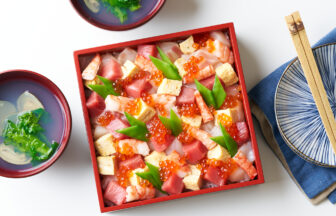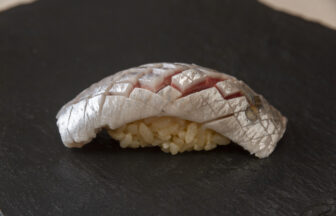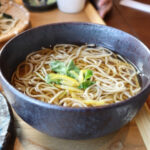
Mukozuke” is served at the beginning of kaiseki cuisine. What is the origin of its name?

Japanese-style meal

Mukozuke” is served at the beginning of kaiseki cuisine. What is the origin of its name?(mukouzuke)

tea-ceremony dishestea party (formal)tea gathering (for the tea ceremony)

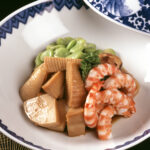
A dish served with rice and soup on an oshiki at the beginning of a kaiseki meal. Vinegared dishes such as namasu and sashimi are often served. It is also called “ogokore” or “omukoko. The name comes from the fact that it is placed on the “other side” of the oshiki (the side immediately in front of the guests where the rice and soup are served). Because mukozuke dishes continue to be used after the meal is served, the plates used for these dishes are an important expression of the tea party host’s sense of taste.

新着・おすすめ情報

  1. metal collar mounted between a sword blade and the hand guard

  2. Lady Gaga is a fan! The beauty of the braided cord culture by Ryu Kobo, which has been in business for over 130 years.

  3. Daiba Park (Odaiba, Tokyo)

  4. bones left after cremation (esp. those of a Buddha or Boddhisatva)

  5. What is the meaning behind the three colors of “Hishimochi”? Hina Doll Decorations

  6. ratio indicating the quantity of polished rice gained from a given quantity of brown rice (nowadays usually expressed as a percent)

  7. temple in honor of Daikokuten

  8. steamed fish-paste cake, sliced to decorate soup (type of kamaboko)

  9. Tokyo Station Marunouchi Station Building

  10. Okadaya Fuse” has a history of 188 years.

  11. Nitta Shrine (Musashishinden, Tokyo)

  12. Kimono is an SDG costume. Unused clothes and tenugui (hand towels) can be used as obi sashes.

  13. I was a junior high school student when I made up my mind. The determination of the fifth generation to run Japan’s oldest bar, Kamiya Bar.

  14. With 670 years of history, yet unafraid of change. Shioze Sohonke” continues to innovate ambitiously.

  15. light crimson (dye)