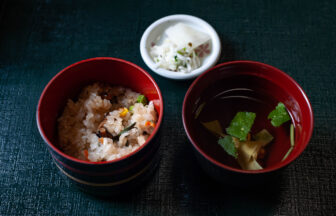
chopped kabayaki eel on rice

Eel, eel, conger eel, and doze eel

chopped kabayaki eel on rice(Hitsumabushi)

Nagoya (city)loach or eel dipped and broiled in soy-based sauce

Rice is served in a small “Ohitsu” and topped with finely chopped broiled eel. It is a well-known specialty of Nagoya City, Aichi Prefecture. The name “hitsu-mabushi” comes from the fact that it is served in a wooden hitsu and that it is a dish eaten by “mabushi” (mixing). Hitsumabushi is usually served as a set meal consisting of a bowl of rice topped with eel, a bowl of rice, soup, pickles, condiments, and dashi broth. At Atsuta Horaiken in Nagoya City, which is said to be the origin of Hitsumabushi, it is recommended to eat the first bowl of Hitsumabushi as it is, add condiments such as green onions and wasabi for the second bowl, pour broth over the third bowl and eat it as chazuke (rice with green onions and wasabi), and finish the meal the way you like it.
新着・おすすめ情報

  1. Minori Kai] 7 souvenirs from long-established shops in Tokyo that you want to give with a story.

  2. Hotel New Otani, Tokyo, Japan

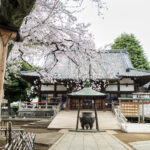
  3. Imado Shrine (Asakusa, Tokyo)

  4. Kamiya Bar, the oldest bar in Japan, well-known for its Denki Bran, and its innovations through the ages.

  5. What kind of dish is “surinagashi”?

  6. women’s bridal robe with trailing skirts worn over a kimono

  7. Kanda Myojin

  8. Nara Ningyo” is characterized by the powerful touch of a single sword digging. What is the meaning behind it?

  9. Japanese doll” is a generic term for dolls traditionally made in Japan. What types are there?

  10. Shimotani Shrine

  11. metal collar mounted between a sword blade and the hand guard

  12. Explanation of the contents of “Yomeiri Dougu Arrangement” [Decorating Hina Dolls].

  13. type of informal katakana worn in the Edo period

  14. The difference between a yukata used as pajamas and a yukata worn to a fireworks display, which only a Japanese person can understand.

  15. Toyokawa Inari Tokyo Betsuin (Akasaka, Tokyo)