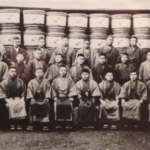
fried dough cake

Japanese confectionery

fried dough cake(Karintou)

old name of Tokyo

It is made by kneading flour with sugar and eggs, cutting it into long, thin strips, deep frying it, and sprinkling melted brown sugar or white sugar over the top. There are various theories about its origin, but one theory is that it originated from “kahana,” which was introduced by Japanese envoys to China around the 8th century and was made by kneading flour into long, thin strips, forming them into a knot, and deep frying them in oil.
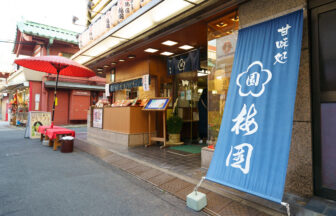
It was not until the middle of the Edo period (1603-1867) that the general public began to eat kahana. At that time, it was sold around Fukagawa area by peddlers carrying a balance pole. It is said that it was a product sold by a confectioner in Asakusa’s Nakamise area during the Meiji period (1868-1912) that led to the widespread spread of the snacks as we know them today.
新着・おすすめ情報

  1. Gotokuji Temple (Setagaya, Tokyo)

  2. neckpiece (on a kimono)

  3. Tokyo’s “Furyu Odori” is the talk of the town since it was selected as a UNESCO Intangible Cultural Heritage site! Tokyo’s “Furyu Odori” gathers in large numbers! Report on Tokyo Folk Performing Arts Festival

  4. Koishikawa Botanical Garden

  5. Ruins of Kira Residence (Honjo Matsuzaka-cho Park)

  6. 大塚天祖神社(東京・大塚)

  7. Shimbashi Tamaki-ya has been in business for 240 years, and serves everything from tsukudani (food boiled in soy sauce) to glaces to add color to Japanese and Western dining tables with its “Hikiku, Gentle, and Warm” service.

  8. Ruins of Hachioji Castle

  9. Inari-zushi

  10. Kaga Yuzen

  11. Metropolitan Takiyama Park, Ruins of Takiyama Castle

  12. Aoyama Cemetery (Minami Aoyama, Tokyo)

  13. Umezono, a long-established sweet shop in Asakusa: From awa-zenzai to dora-soft (soft rice cake), “80% on the defensive, 20% on the offensive” wins the hearts of young people.

  14. silk gauze

  15. Monument to Kunikida Doppo (Mitaka, Tokyo)