

Parks & GardensHachioji, Machida, Fuchu
Metropolitan Takiyama Park, Ruins of Takiyama Castle(Takiyama Nature Park and Takiyama Castle Ruins)
National Historic Sitecastlecherry treeJapan’s 100 greatest castles
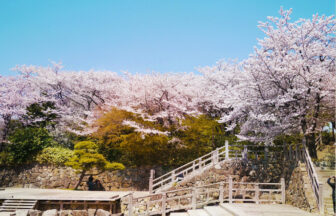
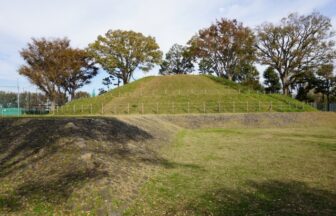
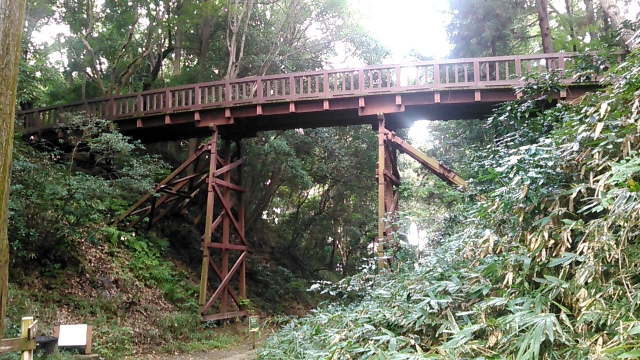
The ruins of Takiyama Castle, one of the most prominent medieval castle ruins in Japan and designated as a national historic site, are said to have been moved in 1521 by Sadashige Oishi, the guardian of Musashi Province, who built Takiyama Castle from Takatsuki Castle. Later, the castle came under the jurisdiction of the Hojo clan, but was abandoned in 1590 (Tensho 18). In 2017, the castle was selected as one of the “100 Great Castles of Japan” by the Japan Castle Builders’ Association. The ruins of the castle and its surrounding area have been developed as a metropolitan park with lush greenery, and it is also one of the best places in Tokyo for cherry blossom viewing.
Spot OutlineOutline
| address (e.g. of house) | Takatsuki-cho, Hachioji City, Tokyo |
|---|---|
| Access | From Keio-Hachioji Station on the Keio Line or Hachioji Station on the JR Chuo Line, take a bus bound for Tobuki, Akikawa Station via Hiyodori Mountain Tunnel, or Tobuki Sports Park Entrance via Hiyodori Mountain Tunnel. 15-minute walk from Takiyama Joshi Shita bus stop. |
| phone | 042-623-1615 (Komiya Park Service Center) |
| Business Hours | always open |
| regular closing day | nashi (Pyrus pyrifolia, esp. var. culta) |
| External Links | |
| Founding and opening of business | 1521 (Oei era) |