Monument to Kunikida Doppo (Mitaka, Tokyo)

historic siteKichijoji, Suginami

Monument to Kunikida Doppo (Mitaka, Tokyo)(The Monument for Kunikida Doppo)

literary masterstone monument

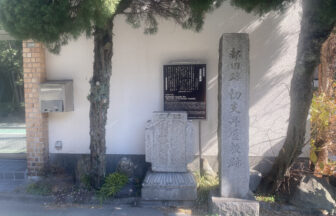
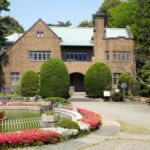
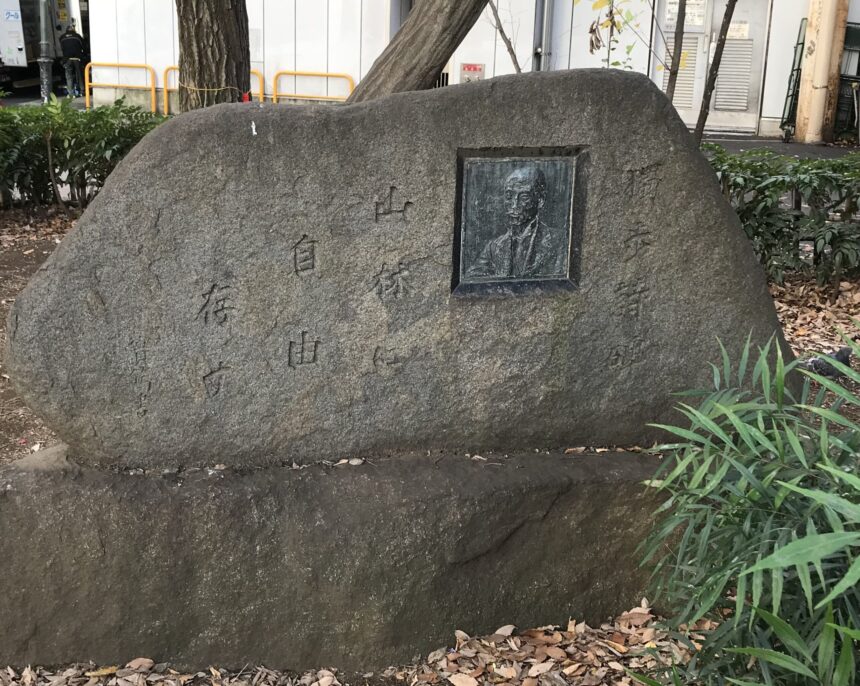
Kunikida Doppo, a pioneer of Meiji naturalist literature, described the natural beauty of Musashino in his famous short story “Musashino” published in 1898. The monument has a relief of Dokubo and an inscription “Freedom Exists in the Mountain Forest” written by Saneatsu Mushanokoji. There is also a literary monument at the foot of Sakura Bridge, which crosses the Tamagawa-josui River in the same city, inscribed with a passage from “Musashino” (Musashino) by Dokpo, which brings back memories of Musashino.

Spot OutlineOutline

address (e.g. of house) 1-14 Nakamachi, Musashino-shi, Tokyo
Access Short walk from Mitaka Station on JR Chuo Line

Founding and opening of business 1951 (Showa 26)

新着・おすすめ情報

  1. Interview with Kotaro Ishikawa of Ishikawa Tortoiseshell Works, a company that connects traditional Edo tortoiseshell techniques and further promotes the Edo Tokyo brand .

  2. yukata (light cotton kimono worn in the summer or used as a bathrobe)

  3. Sticking to domestically produced raw materials, each tooth is spun by hand. The commitment of the long-established “Juso Yakushi-ten” (Juso Yakushi Shop)

  4. various

  5. The taste of soba-tsuyu is the character of the restaurant. What is the taste that Sarashina Nunoya has continued to preserve?

  6. Ruins of Ooka Echizenmamori Tadasada’s villa

  7. Types of “Hina Dolls.” What are the characteristics of their costumes?

  8. The same manufacturing method since the establishment of the company. Interview with Satoru Nakamura, the 7th generation of Shirokiya Nakamura Denbei Shoten, who weaves Edo brooms using craftsmanship passed down from generation to generation .

  9. To make Japanese “tea culture” widely known. Flexibility of “Gyokuho-Do” to change with the times.

  10. glutinous rice steamed with red beans or some other ingredient

  11. Where does the name “Sakura Denbu” come from? How is it made?

  12. Setagaya Daikan Yashiki

  13. Japanese sweets in the form of long blocks (e.g. yokan, uiro)

  14. With 670 years of history, yet unafraid of change. Shioze Sohonke” continues to innovate ambitiously.

  15. vinegared rice and sliced raw tuna wrapped in seaweed