

Mukojima, Honjointerview (i.e. television, newspaper, etc.)Masako Itopresent (brought by a visitor)
Masako Ito
stylist
We spoke with…
Born in 1970. She is active in magazines and books as a stylist for cooking, sundries, and other lifestyle-related topics. A self-confessed gourmand, she has a wealth of knowledge and information on delicious food. Masako Hyakkei” (published by Almost a Day Books), “Masako Ito no Buy Things Banzai! (Shueisha), “Oishii Jikan wo Ano Hito He” (Asahi Shinbun Publishing), and many other books. The website “Almost Nikkan Itoi Shinbun” for which he serves as director, “Almost Nikkan Itoi Shinbun”.weeksdaysis being updated daily, 365 days a year.
In this series of interviews, we ask cultural figures and celebrities active in a variety of genres to introduce their favorite long-established gems and share their memories of them. For the first installment, we interviewed Masako Ito, who has styled dishes, sundries, and interiors, and has written numerous books proposing lifestyle ideas.
Anyway, cute tri-colored dumplings. Rustic and never get tired of the taste.
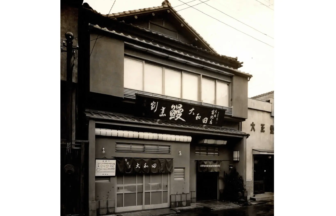
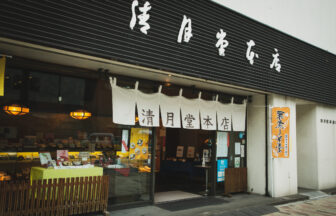
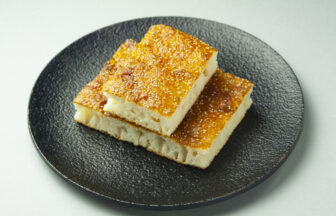
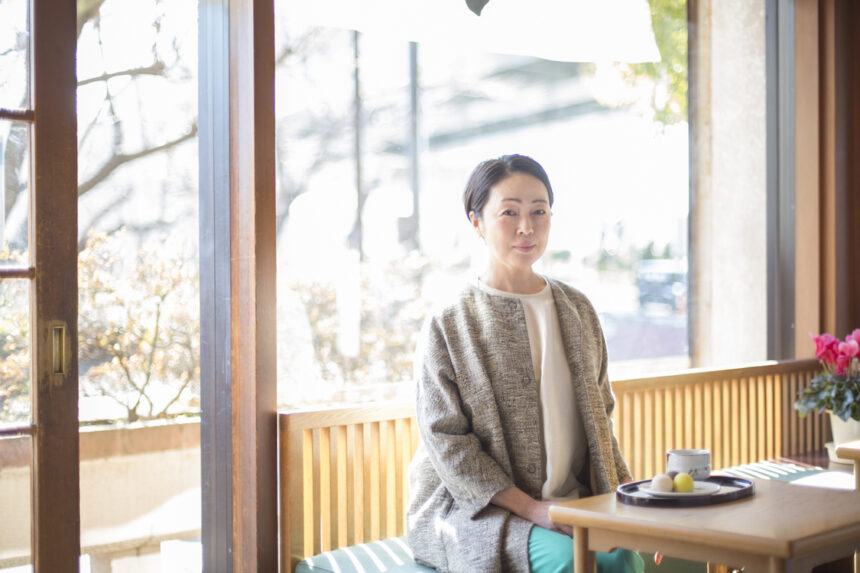
Masako Ito has been a popular stylist for many years and has gained support from women of all ages for her outstanding sense of style and wonderful lifestyle. She is a connoisseur of delicious food and frequents many long-established restaurants.This time we visited one of them, Mukojima Kototoi Dango. Although not far from Asakusa, it is located away from the hustle and bustle of the city and is a space where one can take a breather. The dumplings here are wrapped in red bean paste and white bean paste. The three-color dumpling is made of rice cake-like white bean flour, colored blue-yellow with colored powder made from gardenia, and filled with miso bean paste. The first thing that catches the eye is their cute appearance.
I can’t come here often, but once or twice a year, for many years now. I don’t remember how I came to know about the restaurant. I think it was an acquaintance who told me about it, and I first came here on a private visit, and since then I have had the opportunity to interview them and introduce them in my book. Whenever I have plans nearby, I like to stop by on my way home to enjoy a cup of delicious tea and dumplings and take a breather.
Ms. Ito says the three-colored dumplings are not only simple and never boring, but also look lovely. She recommends the calm and relaxing interior, especially in spring when the cherry blossoms bloom in front of the store and the view is beautiful.Mukojima Kototoi Dango was founded in the late Edo period. The three-colored Kototoi dumplings have kept the same taste since then, and Kototoi monaka was invented in the Taisho era (1912-1926). These are the only two types of products available.Why is it that Mr. Ito, who knows so much about various genres of food and stores, is so drawn to these long-established establishments?Tokyo is changing very quickly, and many new restaurants are opening, but I think there is a reason why long-established restaurants have been around for so long. There is a sense of security in knowing that no matter when you visit, you will always be able to enjoy the same taste. Kototoi Dango is no exception, but it is also good that many stores continue to produce only one or two types of the same menu or products. If there is too much variation, I get turned off. When I was younger, I also had the desire to seek out and visit new stores, but in my 40s, I started going to the same stores over and over again.”
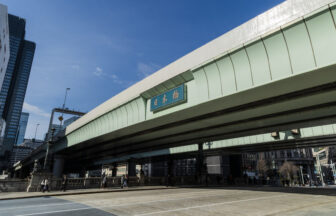
The reason why they repeatedly go to a restaurant they are familiar with is because they never make a mistake. He also says that many of the customers are calm and relaxed, which makes him feel at ease. He says that the strength of long-established restaurants is that they make you feel that “you can’t go wrong here” in terms of taste, atmosphere, and clientele. He says that he always has a favorite long-established restaurant in mind, “If I go to this area, I will go here.Each area has its own favorite old shops, such as Asakusa, Nihonbashi, Kanda Jimbocho, Akasaka, etc. I always think, “I’ll stop by this shop on my way home from a meeting today. I am always thinking about what store to stop by on the way home from a meeting today, or what souvenir to buy for tomorrow. Even when I am busy with work, I feel like I can do my best when I have something to look forward to.
I recommend my favorite long-established shops to my friends with a word of explanation.
It seems that every long-established restaurant has its own reasons for being a favorite and its own way of enjoying itself. We asked him to tell us about his favorite stores that he frequents.
Toraya Akasaka, which reopened in 2018, has a cool, crisp atmosphere. I often go to the attached Karyo by myself and have lunch there. I often go there with my daughter. I also like to drink at soba restaurants, so I often visit “Muromachi Sunaba,” which is said to be the birthplace of tenzaru and tenmori. It is the best place to enjoy soba noodles with sake. Kamishige” in Nihonbashi is also a specialty store of fish paste. If I am in the neighborhood, I buy some hanpen quickly and go home and cook them at home with only soup stock, a little soy sauce, and sake. It is really delicious boiled without any other ingredients and served with black shichimi or other spices. I also often buy oden (oden) varieties.They also recommend their favorite restaurants to other friends.I know many friends and editors in the culinary industry, so I often learn from them. For example, President Matsuno of Matsunoya, a wholesaler of general merchandise, is very knowledgeable about the downtown area and has taken me there several times. At that time, he told me about a plan to take a water bus to view the downtown area from the Sumida River, have a drink, and then go out for dinner. This has become our regular course when touring Asakusa. The restaurants we go to vary from time to time, but for example, we have a quick drink at Kamiya Bar and then have dinner at Yoshikami, a Western-style restaurant.On the other hand, Mr. Ito himself is often asked by younger friends for advice on good restaurants.I had a younger friend who reported to me the other day that he had visited all the restaurants I had recommended. He had lunch at Ogawaken for lunch, ate tori-sukiyaki at Botan for dinner, and stayed at the Yamanoue Hotel in Ochanomizu for the night. I am happy that he likes the restaurant I recommended and enjoys it in this way. I think it is more persuasive to tell people what I think is really delicious and what I like to eat, and to tell them about the restaurants I like with a few words of explanation. For example, I recommend, “La Brasserie, a bistro in the basement of the Imperial Hotel, is open all day on Sundays and holidays, so you should go there in the evening when you are hungry in Ginza.
When choosing a souvenir, look for one in an area where the recipient doesn’t go often.
Mr. Ito says that he often uses long-established shops when looking for souvenirs. At Mukojima Kototoi Dango, he bought some monaka to take to an exhibition he was visiting the next day.It is always a good idea to buy a souvenir from a specialty store in an area that the recipient doesn’t often visit. There are some specialty stores that people know about but don’t have a chance to visit. Also, when sending souvenirs, think about the person you are sending them to, and make sure the quantity and content is appropriate for the number of people you are sending them to. Too much can be too much, and too little can make the recipient feel uncomfortable, so I try to find the right amount.
In the past few years, he has experienced the closure of an old restaurant that he liked and kept going to, and he says he feels sad that even good restaurants have difficulty continuing to operate.It is very sad to visit a restaurant thinking that it was always there, only to find that it is no longer there. I want the younger generation to know about good stores. I can’t say that I support them, but I would like to convey the good qualities of long-established shops to the people around me to the extent that I can, and I hope that they will continue to exist for a long time.
Interview and text by Sachi Nonoyama (TAPE)
Photo by Ikuko Takahashi
Stores visited by Masako ItoVisit
| address (e.g. of house) | 5-5-22 Mukojima, Sumida-ku, Tokyo |
|---|---|
| Access | 8 minutes from Hikifune Station on the Tobu Railway Skytree Line |
| phone | 03-3622-0081 |
| External Links | Official Web Site |