sandbar that projects into the ocean, particularly in a wavy form

Japanese confectionery

sandbar that projects into the ocean, particularly in a wavy form(suhama)

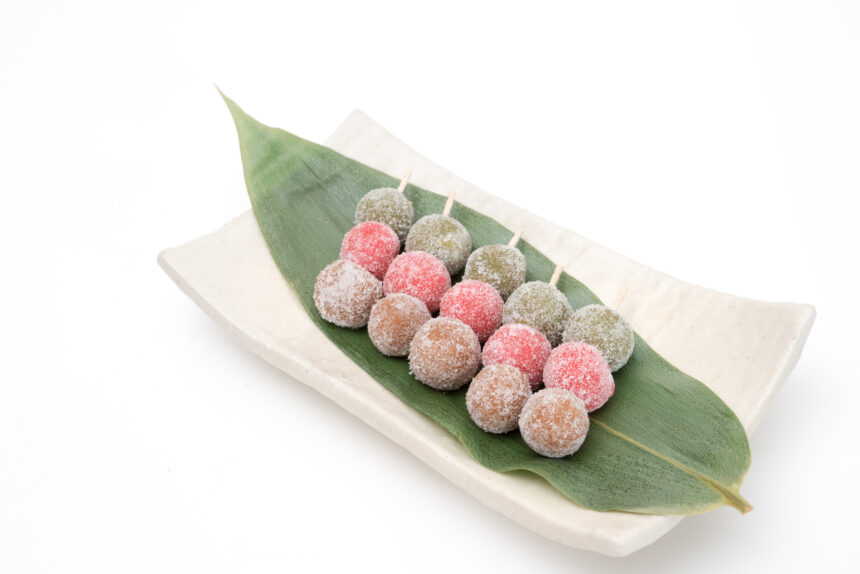
Soybeans or green soybeans are roasted and ground into flour, which is then mixed with sugar and starch syrup, kneaded into a stick shape, and cut into a “suhama-gata” (a shape of a small island floating in the sea, with a sandbar on three sides at low tide. The cut end is shaped like a “suhama-gata” (a small island in the sea with a sandbar on three sides at low tide, a lucky charm displayed at weddings and other ceremonies). It is said to have originated from a Japanese confectionery in Kyoto, and the first owner of the store made it based on a local delicacy from the southeastern part of Omi Province (present-day Shiga Prefecture). The same ingredients are rolled into dumplings called suhama dumplings, which are also a specialty confectionery of Kyoto.

新着・おすすめ情報

  1. Edo Bekko-ya” continues to deal with rare materials. Craftsmanship and another thing we cherish

  2. Samurai dolls” for Dragon Boat Festival. When did they come to be displayed?

  3. Oiwa Inari Tamiya Shrine

  4. 【第4回】「関東の蕎麦、関西のうどん」食べ方を見ればその人の出身地が分かる

  5. What does “agari” mean? Its origin is also explained.

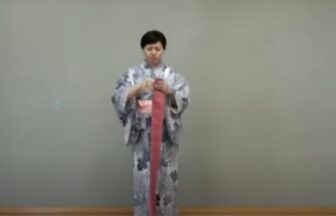
  6. You can do it yourself! How to Tie a Yukata Obi – Bunko Knot

  7. What vegetables should not be used in “vegetarian cooking” without animal products?

  8. well-established

  9. Oshima tsumugi weave

  10. Innovation by “Shinseido”, creator of the unconventional and popular “Seppuku Monaka” product

  11. fresh Western sweets (usu. containing cream or fruit, e.g. sponge cake, pie)

  12. Ruins of Suzugamori Penitentiary (Omori, Tokyo)

  13. What is the origin of the name “Yamato Doll”? What kinds of dolls are there?

  14. arms

  15. ratio indicating the quantity of polished rice gained from a given quantity of brown rice (nowadays usually expressed as a percent)