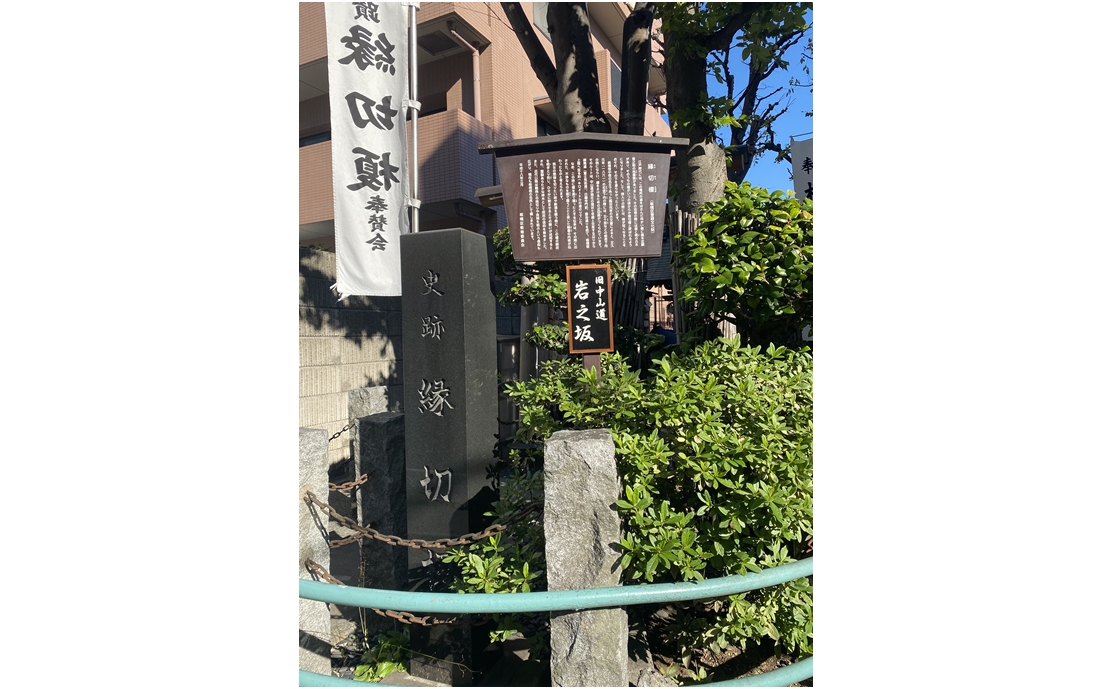
Enoki mushroom (Hypsipetes amaurotis)

historic siteIkebukuro/Akabane

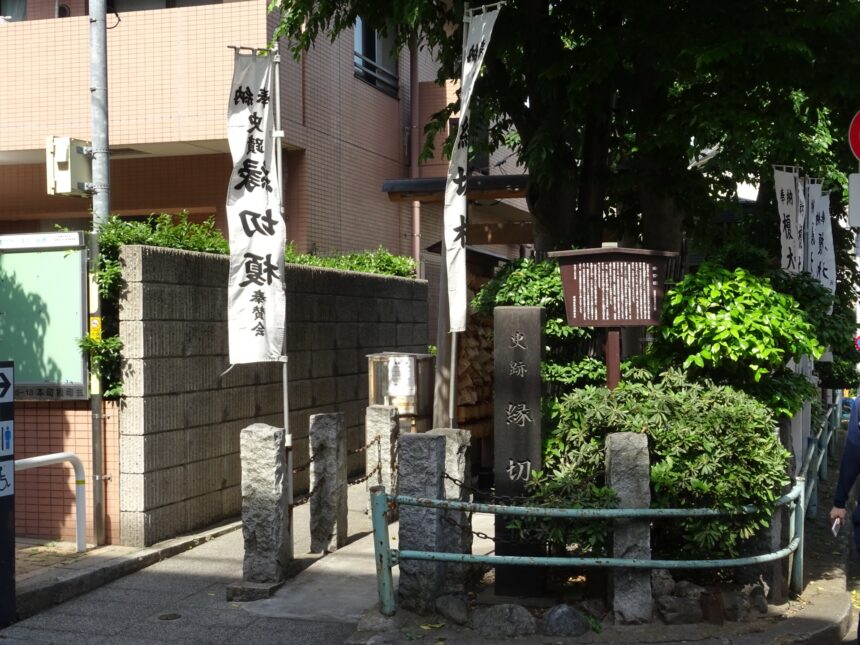
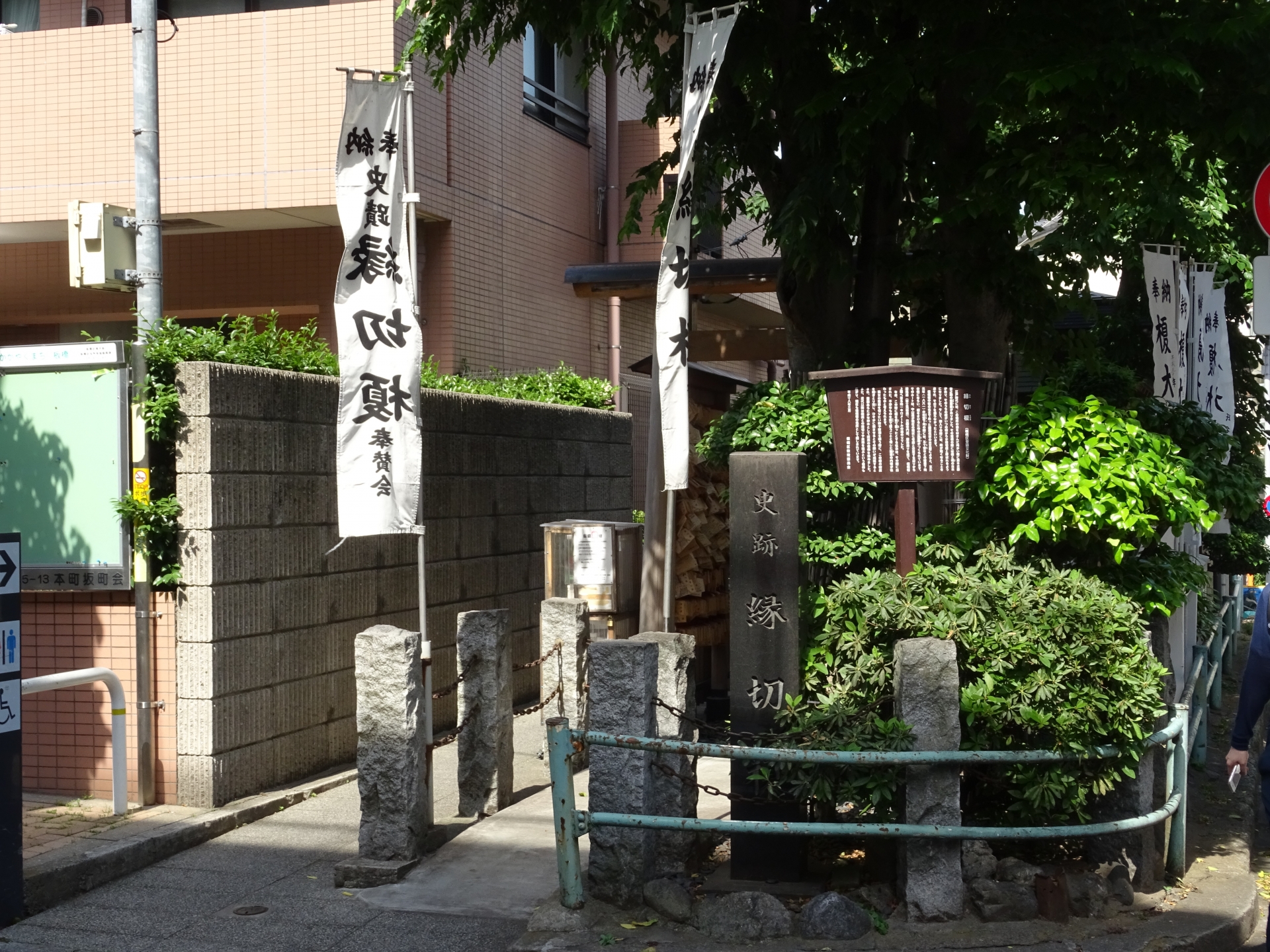
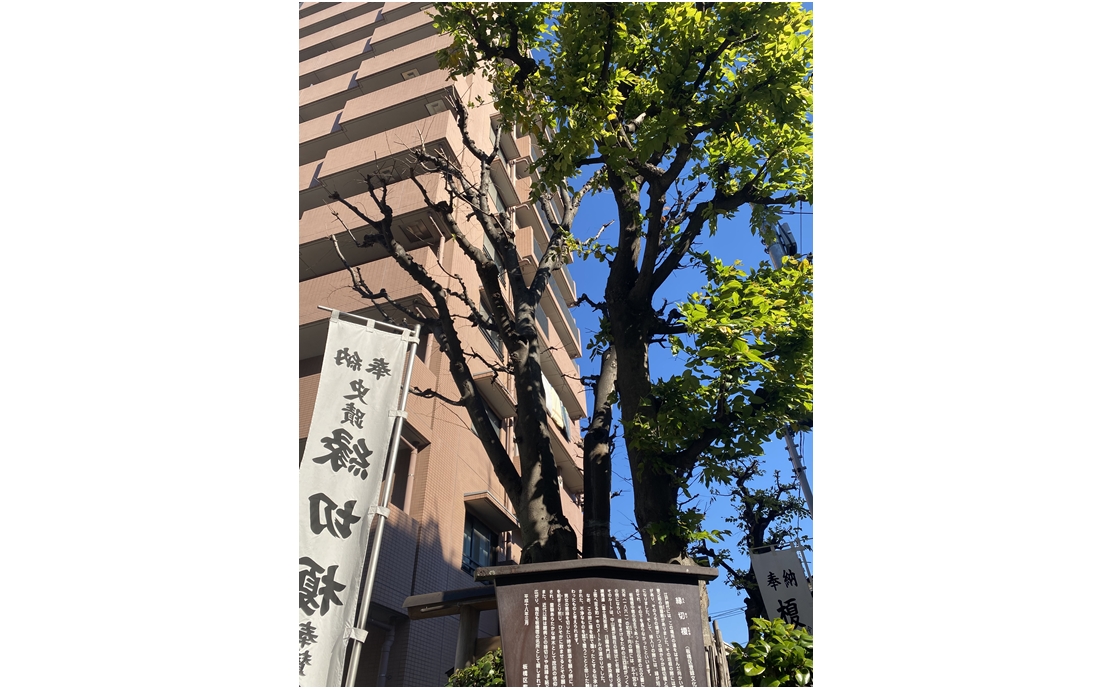
Enoki mushroom (Hypsipetes amaurotis)(Enkiri Enoki)

location thought to be flowing with mystical energyseparation

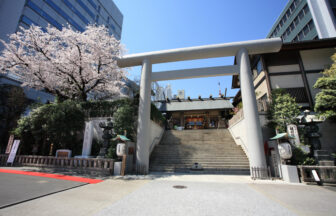
Enoki tree located in Itabashi-juku, Itabashi-ku Honmachi, Tokyo, in the Nakasendo (Highway) era. During the Edo period (1603-1867), it was called “Enokitsuki” (meaning “enoki tree” in Japanese) because of the rows of enoki and tsuki trees lining the hedges of nearby Hatamoto residences, and the name “Enokitsuki” came to be associated with the word “enzuki” (meaning “end of the relationship”), which was then passed down through the generations. Since then, it has been feared as a haunted place, and the current Enoki is the third generation. Located in a section of the Nakamachi shopping street that runs north of Itabashi, it is said that when Princess Wamiya married Shogun Tokugawa Iemochi in 1861, her procession was purposely diverted because of bad luck. Although the word “karma” may sound ominous, the shrine also attracts many worshippers seeking to break off habits they wish to quit, such as quitting smoking.

Spot OutlineOutline

address (e.g. of house) 18 Honcho, Itabashi-ku, Tokyo
Access 5 minutes from Itabashihoncho Subway Station

phone nashi (Pyrus pyrifolia, esp. var. culta)
Business Hours 24 hours
regular closing day nashi (Pyrus pyrifolia, esp. var. culta)

新着・おすすめ情報

  1. Jindaiji Temple (Chofu, Tokyo)

  2. revitalization

  3. buckwheat mash (buckwheat flour in hot water served with shoyu)

  4. What does a “Hands and Feet Master” do? The series of craftsmen who make dolls

  5. sweet burdock and miso-bean paste covered with a thin layer of mochi

  6. Itsukushima Shrine (Shinjuku, Tokyo)

  7. Zoshigaya Old Mission Building (Zoshigaya, Tokyo)

  8. A Walk in Edo with Old Maps] No. 2: Kyobashi and Ginza from the Edo Period to the Heisei Era Traced by Rivers

  9. mochi containing red bean paste

  10. A gem loved by literary giants! What is the charm of “Haniage Dango,” the ultimate in simplicity?

  11. What does “agari” mean? Its origin is also explained.

  12. purple

  13. Sengakuji Temple

  14. 【第17回】「田舎蕎麦」と「更科蕎麦」の違いとは

  15. Why is “Koinobori” carp? The reason is said to be based on Chinese folklore.