Mukojima Hyakkaen

Parks & GardensRyogoku/Kameido

Mukojima Hyakkaen(Mukojima-Hyakkaen Gardens)

photo spotBuddhist templehistoric sitetemples and shrinescultural property

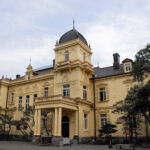
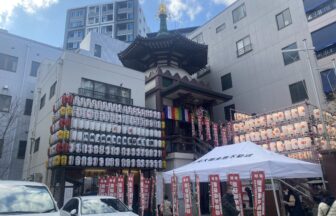
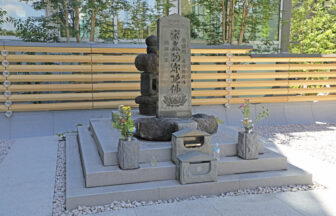
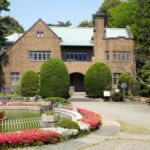
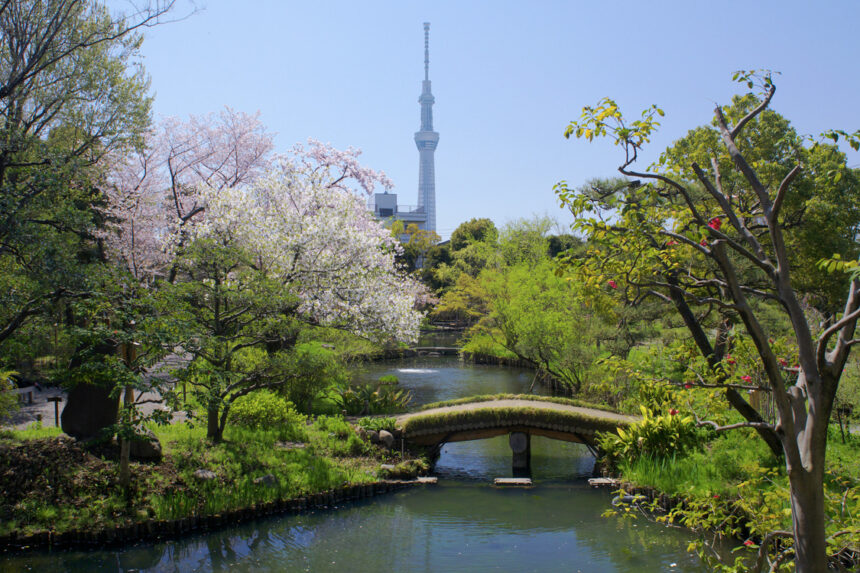
During the Bunka-Bunsei period, when the culture of the Edo townspeople was in full bloom, Sawara Ballikyu, an antique dealer, opened this garden with the cooperation of writers and artists with whom he had exchanged ideas. It was created as a “private garden” for viewing flowers and plants on the site of the former residence of the Taga family, the Hatamoto (feudal lord). When the garden first opened, 360 plum trees were planted, and it was called “Shin Umeyashiki” after the Ume-yashiki in Kameido, and later “Hyakkaen” when flowers were planted throughout the four seasons. In addition, visitors can enjoy viewing seasonal flowers such as wisteria trellises and the seven flowers of spring, summer, and fall. The area is also known as the site of the Sumida River Seven Gods of Good Luck, and is famous for its traditional events such as the “Mushiki-no-kiki-e”, “Tsukimi-no-kai”, and “Hagi Matsuri” (Hagi Festival).

Spot OutlineOutline

address (e.g. of house) 3-18-3 Higashimukojima, Sumida-ku, Tokyo
Access 8-minute walk from Higashimukojima on the Tobu Railway, 13-minute walk from Keisei Hikifune Station on the Keisei Line, 2-3 minute walk from Hyakkaen-mae bus stop.

phone 03-3611-8705
Business Hours 9:00-17:00 (admission until 16:30)
regular closing day Year-end and New Year holidays (December 29 – January 3)
External Links

Official Web Site

Founding and opening of business 1939 (Showa 14)

新着・おすすめ情報

  1. What does “agari” mean? Its origin is also explained.

  2. The history is more than 670 years old. Shioze Sohonke”, the creator of “sweet Japanese buns” with a grand history.

  3. Meaning of “Unaju” and “Unadon”. What’s the difference?

  4. Togenuki Jizoson Takaiwanji Temple (Sugamo, Tokyo)

  5. sweet burdock and miso-bean paste covered with a thin layer of mochi

  6. 【第12回】「手打ち」というだけで蕎麦は美味しいわけではない

  7. Ruins of Ooka Echizenmamori Tadasada’s villa

  8. Kurume Kasuri

  9. Shimotani Shrine

  10. Manners Related to Tea: How to Make and Serve Delicious Tea, and Manners for Receiving Tea

  11. What is the origin of the name “Kintsuba”? How is it written in kanji?

  12. Ohagi/Botamochi

  13. Samurai dolls” for Dragon Boat Festival. When did they come to be displayed?

  14. man’s stiff sash

  15. What are the roles of the “three courtesans”? What do each of them bring with them?