Former Iwasaki Residence

Parks & GardensUeno, Yanaka, Nippori

Former Iwasaki Residence(Kyu-Iwasaki-Tei Gardens)

old-fashionedimportant cultural property

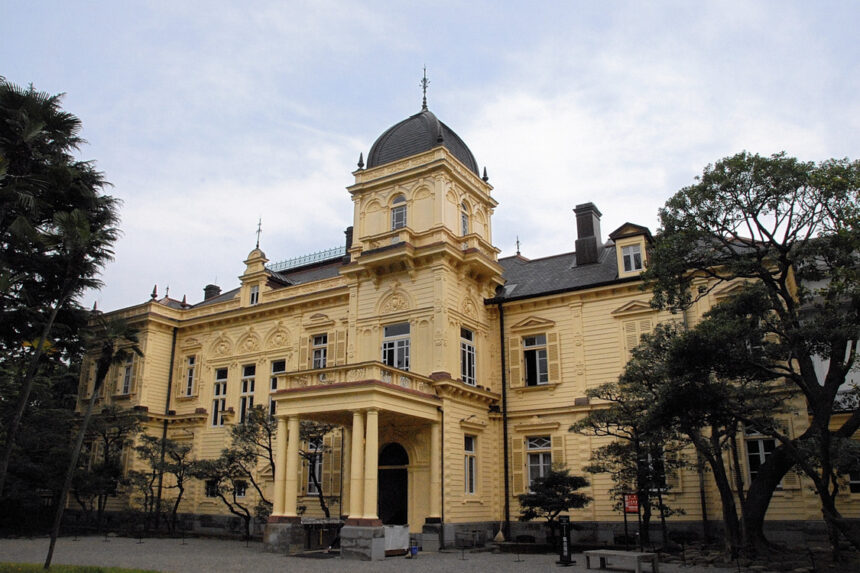
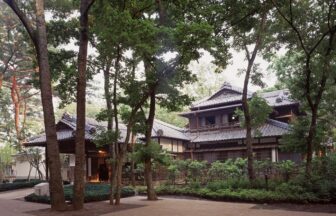
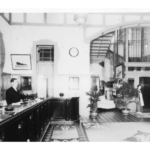
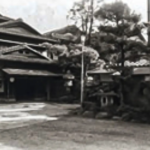
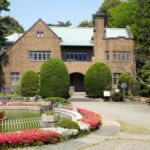
It was built in 1896 as the main residence of Hisaya Iwasaki, the eldest son of Yataro Iwasaki, who founded Mitsubishi and its third president. Today, the property is about one-third the size it was when it was built, and three buildings remain: the Western-style building, the billiard room, and the Japanese-style building. The Western-style building and billiard room were designed by Josiah Conder, an Englishman known for his work on the Rokumeikan. The Western-style building, based on the English Jacobean style, has delicate decorations not seen in Western architecture of the same period. The chess room, connected to the Western-style building by an underground passage, was designed in the style of a Swiss mountain hut, which was rare in Japan at that time. The Shoin-style Japanese-style building is said to have been constructed by master builder Kijuro Okawa, and its skillful juxtaposition of Japanese and Western styles is indicative of the lifestyle of the time.

Spot OutlineOutline

address (e.g. of house) 1-3-45 Ikenohata, Taito-ku, Tokyo
Access 3 minutes from Yushima Subway Station, 10 minutes from Ueno-Hirokoji Subway Station, 10 minutes from Ueno-Okachimachi Subway Station, 15 minutes from JR Okachimachi Station

phone 03-3823-8340
Business Hours 9:00-17:00 (admission until 16:30)
regular closing day Year-end and New Year holidays (December 29 – January 1)
External Links

Official Web Site

Founding and opening of business 2001 (Heisei 13)

新着・おすすめ情報

  1. What is the origin of the term “chilled sake”? Words related to sake

  2. Long-established Tabi Shoes supported by all generations. Ohnoya Fuso-Honten” continues to make Tabi Shoes with all our hearts.

  3. sweet half sake

  4. soba cup

  5. double-woven obi

  6. Ningyocho Shinota Sushi Head Office, a long-established sushi restaurant serving inari sushi. What changes with the times, and what never changes.

  7. 【第17回】「田舎蕎麦」と「更科蕎麦」の違いとは

  8. Kawaramachi Inari Shrine (Kitasenju, Tokyo)

  9. What is the meaning of “hi-ire” in sake making? Words related to Sake

  10. inscription

  11. Ruins of Isamu Kondo’s birthplace (Chofu, Tokyo)

  12. oldest surviving traditional style of sake making

  13. Where did okame soba originate? Ingredients used are also explained.

  14. 【第23回】蕎麦屋店主が考える真の蕎麦「通」の定義

  15. Shofukuji Temple (Higashimurayama, Tokyo)