Philosophical Hall Park (Araiyakushi, Tokyo)

Parks & Gardensflower viewingShinjuku, Nakano

Philosophical Hall Park (Araiyakushi, Tokyo)(Tetsugakudo Park)

Inoue Enryophilosophycherry tree

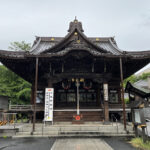
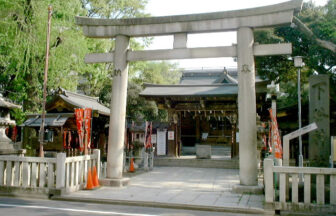
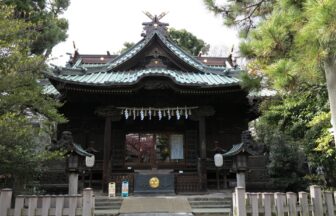
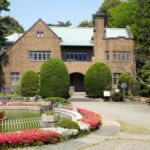
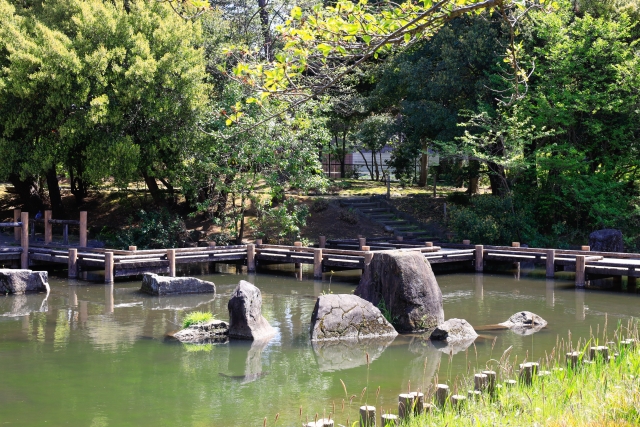
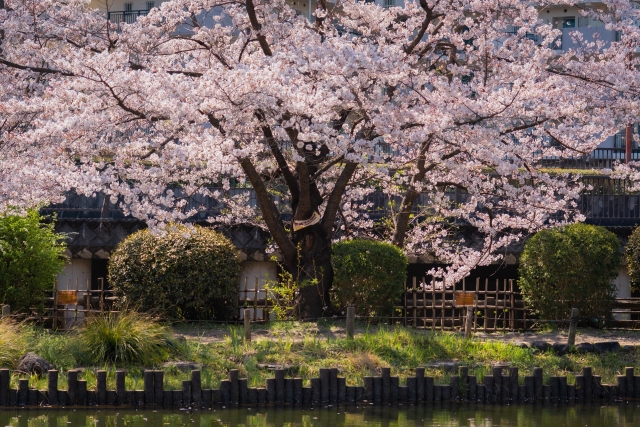
This is a rare park in the world, founded in the Meiji era (1868-1912) by Dr. Enryo Inoue, a philosopher and founder of Toyo University, as a place for “spiritual cultivation with philosophy as its theme. The park is dotted with buildings, ponds, and slopes related to philosophy, such as the “Four Seidō Halls” dedicated to Socrates, Kant, Confucius, and Sakyamuni, which visually represent the world of philosophy. The park is filled with seasonal flowers and attracts many visitors during the cherry blossom season. In addition, the Philosophical Hall Festival is held every November in accordance with Enryo’s last will and testament to promote the spread of philosophy.

Spot OutlineOutline

address (e.g. of house) 1-34-28, Matsugaoka, Nakano-ku, Tokyo
Access 12 minutes from Araiyakushi-mae Station on the Seibu Shinjuku Line, 13 minutes from Ochiai Minaminagasaki Subway Station

phone 03-3951-2515
Business Hours 8:00-18:00 (3/1-6/30, 9/1-9/30), 7:00-18:00 (7/1-8/31), 8:00-17:00 (10/1-11/30), 9:00-17:00 (12/1-2-end)
External Links

Official Web Site

Founding and opening of business 1904 (37th year of Meiji era)

新着・おすすめ情報

  1. common variety of women’s kimono sash

  2. neckpiece (on a kimono)

  3. Tsukiji Honganji Temple

  4. What is “Gyoku (sushi)”?

  5. Fuzoku ningyo” are dolls that reflect the customs of various regions in Japan. There are Edo genre dolls, Kyoto dolls, etc.

  6. Why is the oak in “Kashiwa-mochi” said to symbolize the prosperity of descendants?

  7. How to read “strong snacks”? Kaiseki and Kaiseki Cuisine

  8. Kakurinji Temple (Shirokanedai, Tokyo)

  9. oldest surviving traditional style of sake making

  10. With 670 years of history, yet unafraid of change. Shioze Sohonke” continues to innovate ambitiously.

  11. Otomeyama Park (Takadanobaba, Tokyo)

  12. sake brewed without addition of saccharides and no more than 120 litres of seed alcohol per tonne

  13. Former Asakura Residence

  14. point (of a sword, etc.)

  15. The difference between a yukata used as pajamas and a yukata worn to a fireworks display, which only a Japanese person can understand.