When did “taru-shu” begin to be made? Words related to sake

Sake & Tea

When did “taru-shu” begin to be made? Words related to sake(Taruzake)

Japanese rice wine

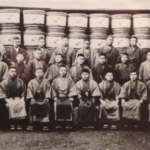
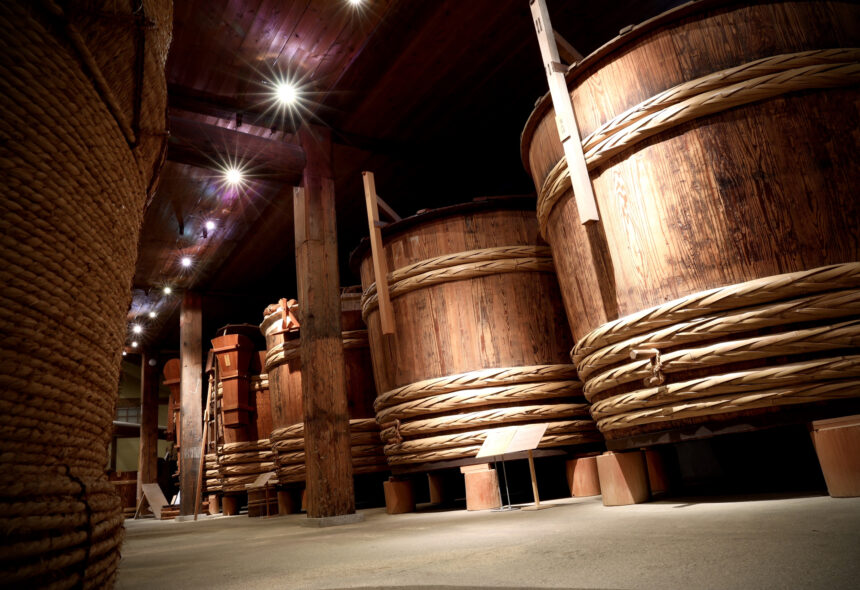
Sake is stored in Japanese cypress or cedar barrels and the aroma of the wood is transferred to the sake. It is shipped either as it is packed in barrels or transferred to bottles or other containers. Especially famous is the one stored in Yoshinosugi cedar barrels in Nara, which is characterized by its dense yet refreshing aroma. The origin of the drinking of taru-shu dates back to the Azuchi-Momoyama period. At that time, sake became widely consumed, and the jars that had been used to make sake could no longer keep up with the production, leading to the spread of taru-shu made in wooden casks. Today, hollow tanks are used, but until the early Showa period, cedar barrels were the most common method of storage.


新着・おすすめ情報

  1. Ome Shinmachi Oido (Ome, Tokyo)

  2. Ruins of Isamu Kondo’s birthplace (Chofu, Tokyo)

  3. How to read “strong snacks”? Kaiseki and Kaiseki Cuisine

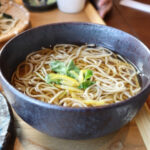
  4. What does “Sarashina (soba)” mean and where did it originate?

  5. inscription

  6. Anyone can do it by themselves! How to Tie a Yukata Obi – Kai no Kuchi

  7. Yamamoto Nori Store, a long-established business with 170 years of history. The birthplace of “seasoned laver” talks about its commitment to flavor.

  8. Nezu Shrine (Nezu, Tokyo)

  9. Ruins of Kirishitan residence (Myogadani, Tokyo)

  10. Tokyo’s “Furyu Odori” is the talk of the town since it was selected as a UNESCO Intangible Cultural Heritage site! Tokyo’s “Furyu Odori” gathers in large numbers! Report on Tokyo Folk Performing Arts Festival

  11. Musashi Ontake Shrine (Ome, Tokyo)

  12. Nihonbashi Kuroeya deals in lacquerware from all over Japan. Protecting the goodwill through innovation, not single-mindedness.

  13. 大塚天祖神社(東京・大塚)

  14. Where did okame soba originate? Ingredients used are also explained.

  15. Tobifudo Shohoin Temple (Minowa, Tokyo)