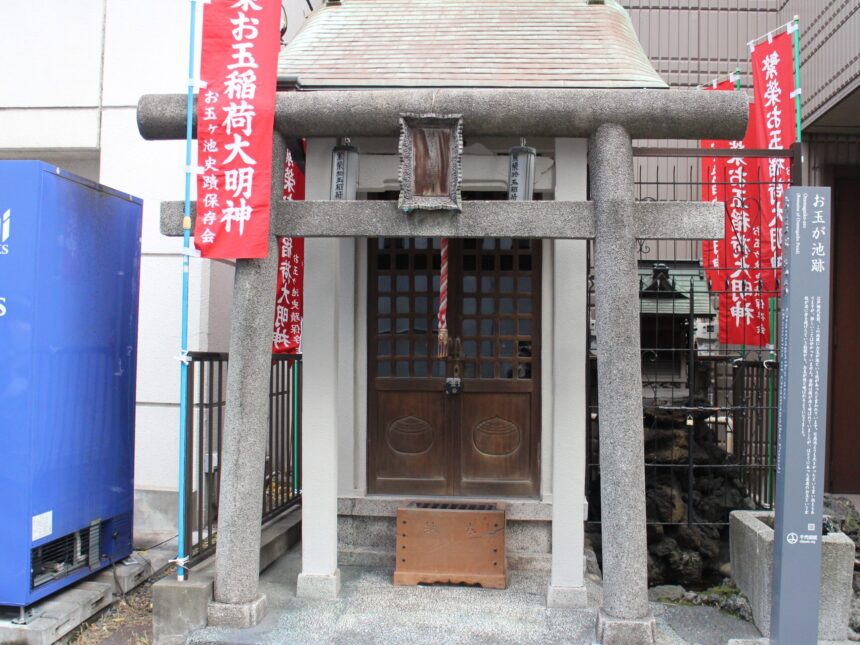
Ruins of Otama-ga-ike Pond

historic siteOchanomizu, Yushima, Korakuen

Ruins of Otama-ga-ike Pond(Otamagaike-ato)

Shusaku ChibaShinsengumipond

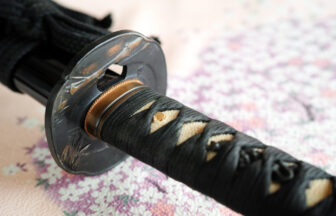
Otama-ga-ike Pond is said to have been as large as Shinobazu Pond during the Edo period (1603-1868), but was reclaimed in the late Edo period and turned into a residential area. The name comes from an anecdote about Otama, the signboard girl of a teahouse by the pond, who was caught between the affections of two men and threw herself into the pond, and a shrine dedicated to Otama, “Otama Inari,” still remains today. At the end of the Edo period, Shusaku Chiba’s dojo, Genbukan, was located here, where members of the Shinsengumi and Ryoma Sakamoto also attended, and “Otama ga Ike” was sometimes used to refer to Genbukan. The Shozan Sakuma, a scholar of Shuji, also held a cram school here, and the area seems to have been a gathering place for both literary and military talents.

Spot OutlineOutline

address (e.g. of house) 2-7 Iwamoto-cho, Chiyoda-ku, Tokyo
Access 5 minutes from Iwamoto-cho Subway Station

phone nashi (Pyrus pyrifolia, esp. var. culta)
Business Hours 24 hours
regular closing day nashi (Pyrus pyrifolia, esp. var. culta)

新着・おすすめ情報

  1. light crimson (dye)

  2. Tomioka Hachimangu Shrine

  3. What kind of brewing method is “Yamahai-brewing”? Words related to Sake

  4. ridges on a blade (sword, knife, etc.)

  5. eel-liver soup

  6. Tokyo Literature Walk] No. 2: From Hongo to Sendagi via Slopes and Alleys, Touring the Former Residences of Modern Literary Greats

  7. sweet half sake

  8. Rintsushinomori Park (Musashikoyama, Tokyo)

  9. Sekiguchi Bashoan (Waseda, Tokyo)

  10. Horikirishobuen (Horikiri Shobuen, Tokyo)

  11. Lengshan (dynasty of China; 386-589 CE)

  12. Imado Shrine (Asakusa, Tokyo)

  13. Founded in 1877, “Ningyocho Shinota Sushi” is a famous inari sushi restaurant. The secret of the long-loved taste

  14. Fuzoku ningyo” are dolls that reflect the customs of various regions in Japan. There are Edo genre dolls, Kyoto dolls, etc.

  15. Types of “Hina Dolls.” What are the characteristics of their costumes?