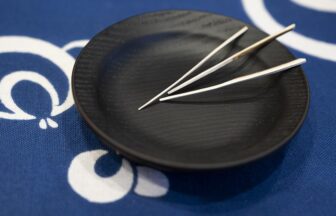
eel and cucumber salad, finely sliced, dressed in sake, soy, and vinegar

Eel, eel, conger eel, and doze eel

eel and cucumber salad, finely sliced, dressed in sake, soy, and vinegar(Uzaku)

local cuisine

Shredded eel kabayaki and thinly sliced cucumber are mixed with sanbaizu (a combination of vinegar, soy sauce, and sugar) or ama-zu (a sweeter vinegar than sanbaizu mixed with mirin and sugar). The rich flavor of the eel contrasts with the refreshing taste of the cucumber and vinegar, making this a very appetizing dish. It is said to be a local dish of Mie Prefecture. The origin of the word “zakzaku” is said to come from the sound of chopping cucumbers into “zakzaku” pieces, and another theory is that it is a dish in which eels are chopped into “zakzaku” pieces.

新着・おすすめ情報

  1. What kind of sake brewing method is “mizu-hashiroshi”? Words related to sake

  2. steamed fish-paste cake, sliced to decorate soup (type of kamaboko)

  3. Kiyosubashi Bridge (Kiyosumi-Shirakawa, Tokyo)

  4. Tokyo’s “Furyu Odori” is the talk of the town since it was selected as a UNESCO Intangible Cultural Heritage site! Tokyo’s “Furyu Odori” gathers in large numbers! Report on Tokyo Folk Performing Arts Festival

  5. 【第14回】江戸蕎麦の流儀〜道具立て編〜

  6. long-sleeved kimono

  7. battledore (early form of badminton racket)

  8. What is “Gyoku (sushi)”?

  9. inscription

  10. To make swords a part of our daily lives. The future of swords is the goal of Nihon Katana, a long-established sword specialty store.

  11. Katsusenji Temple (Kitasenju, Tokyo)

  12. piece placed to block opponent’s check (shogi)

  13. The family motto is “Be a connoisseur. Gyokuho-Do” has continued to support the tea culture by handling tea utensils of the Unshu-Matsudaira and Omotesenke families.

  14. What is the origin of “May dolls” displayed on Dragon Boat Festival?

  15. oldest surviving traditional style of sake making