Akasaka Imperial Villa

constructionAzabu, Akasaka, Roppongi

Akasaka Imperial Villa(Geihinkan-Akasakarikyu)

palace

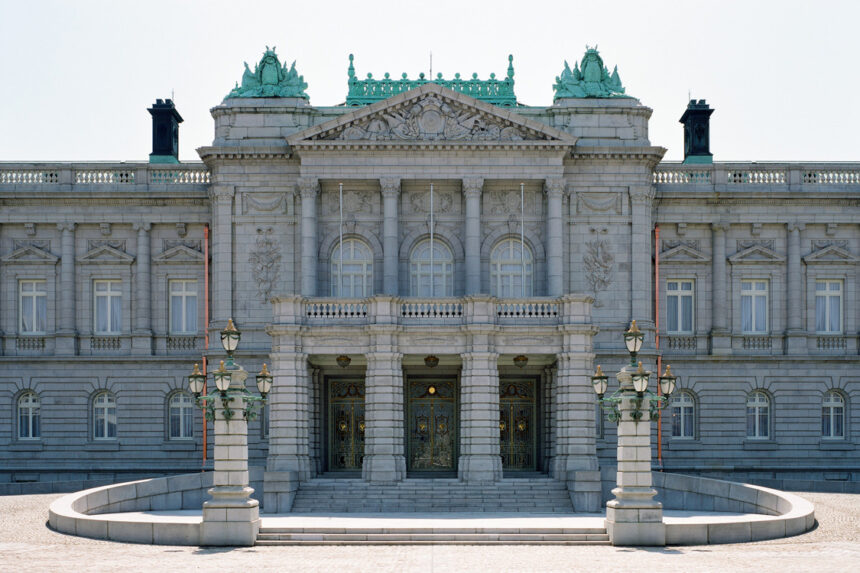
Constructed over a period of 10 years from 1899 (Meiji 32) as the Crown Prince’s Palace, it is Japan’s only neo-baroque style palace architecture. It is the masterpiece of architect Tokuma Katayama. It has been a stage for diplomacy, hosting international conferences, summit meetings, and banquets, but is now open to the public and was designated a National Treasure in 2009. The rooms for official use, including the Asahi no ma, Sairan no ma, Hagoromo no ma, and Kacho no ma, are decorated with elegant decorations and precious oil paintings, and the museum’s interior is sure to provide an extraordinary experience. Visitors can also tour the Japanese-style annex if they request a tour in advance through the official website.

Spot OutlineOutline

address (e.g. of house) 2-1-1 Motoakasaka, Minato-ku, Tokyo
Access 7 minutes from JR and Subway Yotsuya Station

phone 03-5728-7788 (Inquiries about general visitation)
Business Hours 10:00-17:00 (last admission at 16:00 for the Honkan; for the Japanese-style annex, advance application for the guided tour is required through the Geihinkan website)
regular closing day Wednesday
External Links

Official Web Site

Founding and opening of business 1909 (42nd year of Meiji era)

新着・おすすめ情報

  1. Abiru Shrine (Akiruno, Tokyo)

  2. very young fish (esp. a konoshiro gizzard shad)

  3. Kazari-uma” decorated on Children’s Day. What kind of vehicle is the white horse considered to be?

  4. various

  5. Tips for choosing a restaurant and points to consider for a successful business dinner

  6. Sword eyelets become one-of-a-kind accessories. Nihon Katana, a long-established store specializing in swords that you can enjoy even if you are not an enthusiast.

  7. purity

  8. Enmeiji Temple, Jizo (a jizo that cuts off the head) / Kozukabara Penitentiary Site (Minami-Senju, Tokyo)

  9. Because they are used on a daily basis, they should not be neglected. Ubukeya tells you how to maintain your knives.

  10. 【第21回】古文書から紐解く江戸につながる「そば切り」の伝承

  11. A Walk in Edo with Old Maps] No.5: Traces of Edo Remain Strong in “Differences in Elevation” and “Town Names” in Ushigome and Ichigaya

  12. small coloured sugar candy covered in bulges

  13. 【第2回】美味しい蕎麦屋を見分けるコツは、お客様の「姿勢」を見ること

  14. Koyasan Tokyo Betsuin (Takanawa, Tokyo)

  15. The lineup of the “five musicians” also has a meaning.