

constructionUeno, Yanaka, Nippori
National Diet Library International Library of Children’s Literature(National Diet Library International Library of Children’s Literature, National Diet Library)
librarytaking one’s children along (to an event, into a new marriage, etc.)
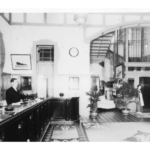
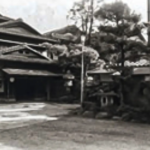
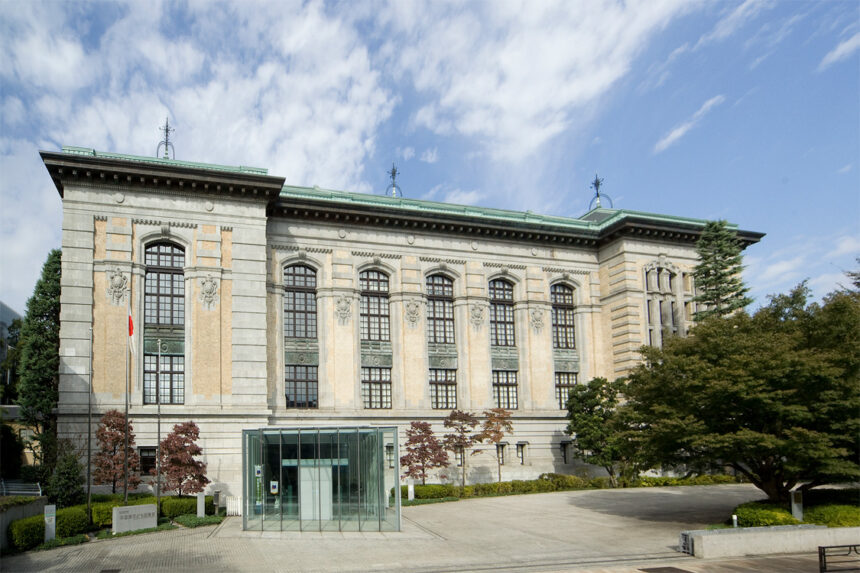
The National Library of Children’s Books is located in Ueno, Tokyo. It is a branch library of the National Diet Library, and holds over 700,000 children’s books and related materials from approximately 160 countries and regions. It consists of two buildings, the brick wing and the arch wing. The brick wing was built by preserving and reusing the former Imperial Library, which was built in 1906. The exterior and interior of the building show the Renaissance-style Western architecture representative of the Meiji period, including the grand stairwell, plaster columns, wooden railings, and doors that remain from the time of its establishment. There is also a museum and a hall, where exhibitions and musical events are held, making it a popular facility for parents and children to enjoy together.
Spot OutlineOutline
| address (e.g. of house) | 12-49, Ueno Koen, Taito-ku, Tokyo |
|---|---|
| Access | 10 minutes from JR Ueno Station, 15 minutes from Subway Ueno Station |
| phone | 03-3827-2053 |
| Business Hours | 9:30〜17:00 |
| regular closing day | Mondays, national holidays (open on Children’s Day, May 5), year-end and New Year’s holidays, 3rd Wednesday of the month |
| External Links | |
| Founding and opening of business | 2000 (Heisei 12) * The brick building is the former Imperial Library built in 1906, which has been preserved and reused. |