

constructionfield affiliated with a shrine (the tax-exempt proceeds of its harvest going to pay for shrine operations)
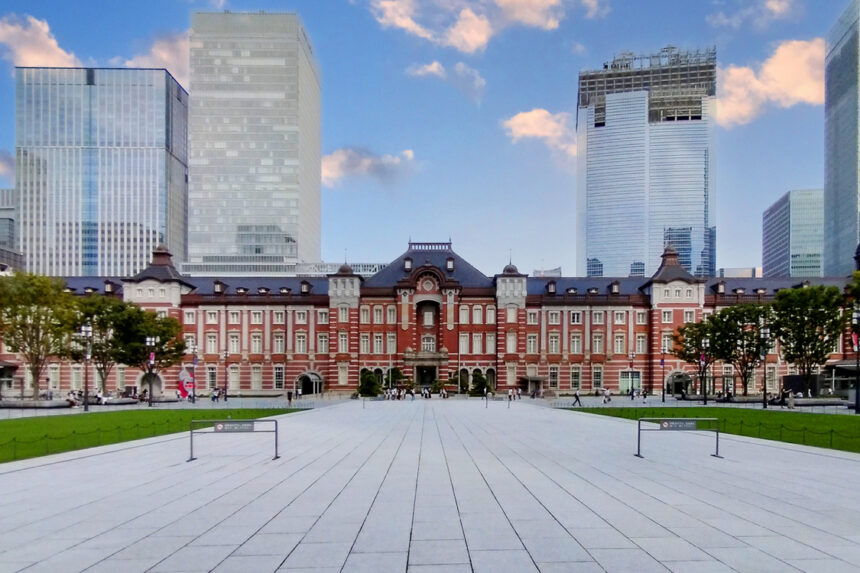
Tokyo Station Marunouchi Station Building(Tokyo Station Marunouchi Station building)
important cultural propertynear station
The red brick station building symbolizes the gateway to Tokyo. Designed by Kingo Tatsuno, the father of modern Japanese architecture, it opened in 1914. In 1945, the symbolic north and south domes were destroyed by fire during the war, and the building was rebuilt from three to two stories during reconstruction. The north and south domes have been recreated, and the reliefs of eight eagles and eight Chinese zodiac animals placed at the corners of the octagonal dome have been beautifully restored, allowing visitors to enjoy the modern European-style architecture of the time of its foundation. The station building also houses a hotel and a gallery, making it a popular sightseeing base.
Spot OutlineOutline
| address (e.g. of house) | 1 Marunouchi, Chiyoda-ku, Tokyo |
|---|---|
| Access | 0 minutes from JR Tokyo Station |
| phone | nashi (Pyrus pyrifolia, esp. var. culta) |
| Business Hours | open all day |
| regular closing day | without a holiday |
| External Links | |
| Founding and opening of business | 1914 (Taisho 3) |