

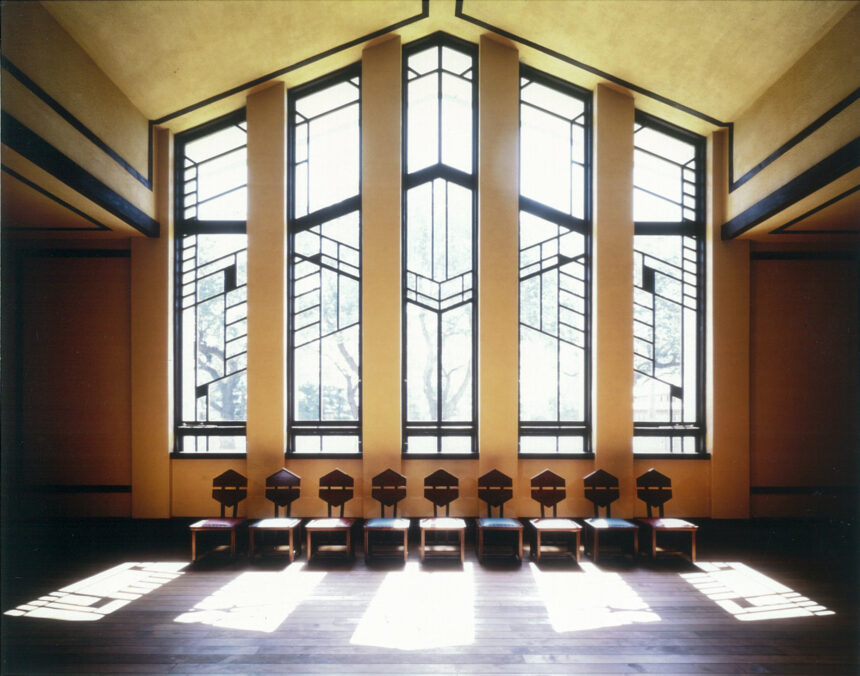
Jiyu Gakuen Asutumu-kan (Ikebukuro, Tokyo)(Jiyu Gakuen Myonichikan)
location for making or filming a movieeducationimportant cultural property
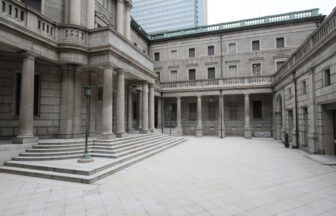
The Jiyu Gakuen Asutumu-kan was built as a school building for a women’s school founded by Motoko and Yoshikazu Hani in 1921. Designed by Frank Lloyd Wright, a master of modern architecture known for his work on the former Imperial Hotel, the school’s educational policy is embodied in its beautiful architecture. The school moved to Higashikurume City in the early Showa period as the number of students increased, but the remaining school building has been preserved as “Asutumi-kan” and was designated as a National Important Cultural Property in 1997. Currently, the school is open to the public as a model of “dynamic preservation” that preserves the value of cultural assets while using them, and is open to visitors.
Spot OutlineOutline
| address (e.g. of house) | 2-31-3 Nishi-Ikebukuro, Toshima-ku, Tokyo |
|---|---|
| Access | Approx. 10 minutes walk from JR, Seibu Ikebukuro Line, Tobu Tojo Line, and Subway Ikebukuro Station |
| phone | 03-3971-7535 |
| Business Hours | 10:00〜16:00 |
| regular closing day | Mondays (or the following day if Monday is a national holiday), year-end and New Year holidays, irregular holidays, prior confirmation required |
| External Links | |
| establishment | 1921 (Taisho 10) |