What is the origin of “May dolls” displayed on Dragon Boat Festival?

puppet

What is the origin of “May dolls” displayed on Dragon Boat Festival?(Gogatsuningyo)

Children’s Day (national holiday; May 5th)Boy’s Day celebration (May 5th)

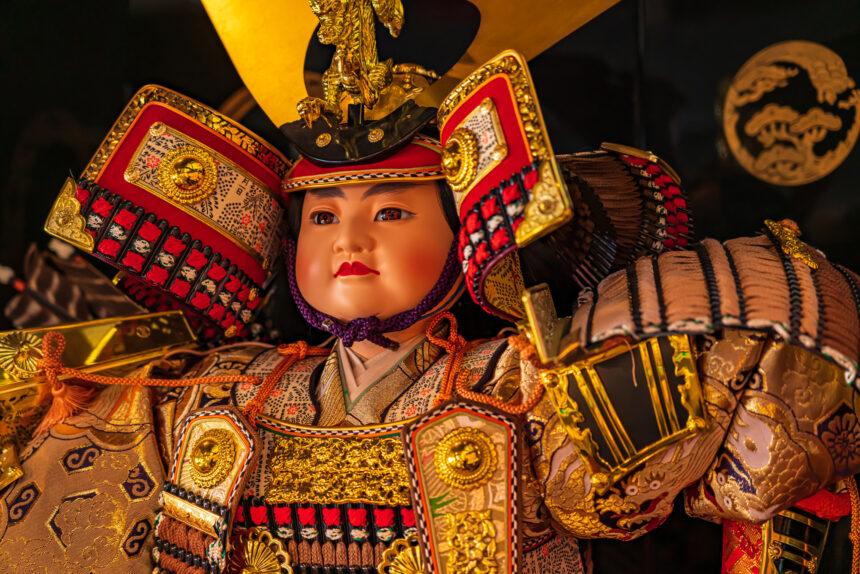
Dolls are displayed on May 5, Tango-no Sekku, to wish for the healthy growth of children. Tango-no Sekku dates back to the Nara period (710-794), when irises were decorated to ward off misfortune and illness. The ritual spread from the Imperial Court to the warrior class, and then to the townspeople in the Edo period (1603-1867), when samurai picture banners and carp streamers were erected. In the late Edo period (1603-1867), it became established as a “first festival” to celebrate the birth of a boy. The custom of displaying helmets of armor, which originated in samurai society, has been handed down to the present. The armor and helmets are considered to “protect the body,” and the hope is that they will protect the child from traffic accidents and illnesses.

新着・おすすめ情報

  1. Toyokawa Inari Tokyo Betsuin (Akasaka, Tokyo)

  2. Tokyo Literature Walk] No. 1: Walking around Asakusa, a treasure house of modern literature

  3. sweet red-bean soup

  4. Habutae mochi

  5. Hanamaki soba

  6. Former Mikawashima sewage disposal pumping facility (Arakawa, Tokyo)

  7. The family motto is “Be a connoisseur. Gyokuho-Do” has continued to support the tea culture by handling tea utensils of the Unshu-Matsudaira and Omotesenke families.

  8. Minamiya Temple (Komagome, Tokyo)

  9. For over 300 years in Nihonbashi, we have continued to develop products that meet the needs of the times. Long-established “Nimben” dried bonito flakes

  10. The important thing is to build a steady network. Nakazawa Nyugyo Co., Ltd. is expanding its business with the spirit of “Be with each other and do business with each other.

  11. Developing original materials with attention to detail, starting from the fabric. Shukusen, a long-established yukata manufacturer loved by kabuki actors in the Edo period [Part 2

  12. swallowing a great amount of tea or medicine

  13. They also restore ancient musical instruments used in traditional performing arts. Okadaya Fuse’s Struggle to Preserve Traditional Japanese Culture

  14. brewer’s rice

  15. Manju, Monaka, Daifuku, etc.: Manners for Eating Wagashi without Worrying about Public Appearances Anymore