Koami Shrine (Ningyocho, Tokyo)

Shinto shrineNihonbashi (bridge)

Koami Shrine (Ningyocho, Tokyo)(Koami-jinja (Koami-Shrine)

Seven Gods of Fortunewarding off evilBenten (goddess of arts and wisdom)walktall headed god of happiness, wealth, and long lifewashing the money (laundering)

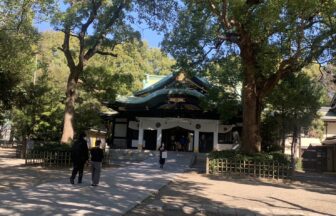
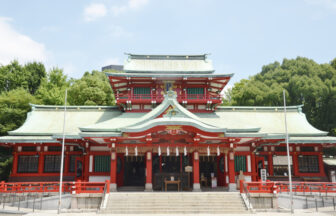
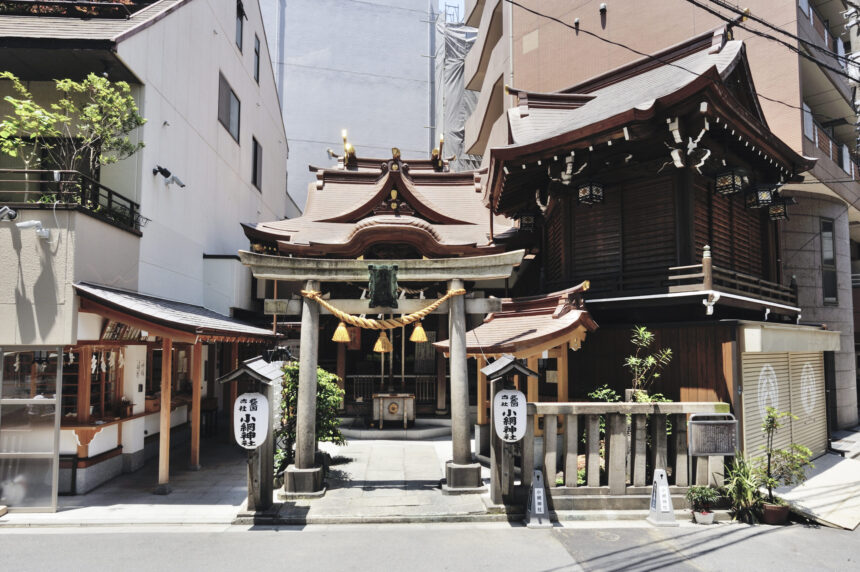
It is said that the origin of this shrine dates back to 1466, when Inari Daijin was enshrined and an epidemic was quelled. In 1929, Komasaburo Naito, a master carpenter who served as chief engineer for the construction of Meiji Shrine, built the shrine and Kaguraden (music and dancing hall). It is the only remaining prewar wooden shrine building in the Nihonbashi area, and features magnificent carvings of “ascending dragons” and “descending dragons. There is also a statue of Benzaiten, a statue of Fukurokuju, one of the seven gods of good fortune of Nihonbashi, and a “sen-arai-benten” (well for washing money), and it is popularly known as “Tokyo sen-arai-benten,” which brings good luck for money.

Spot OutlineOutline

address (e.g. of house) 16-23 Koamicho, Nihonbashi, Chuo-ku, Tokyo
Access 5 min. walk from Subway Ningyocho Station, 10 min. walk from Subway Suitengumae Station

phone 03-3668-1080
regular closing day nashi (Pyrus pyrifolia, esp. var. culta)
External Links

Official Web Site

Founding and opening of business 1466 (first year of Bunsho era)

新着・おすすめ情報

  1. Oji Shrine (Oji, Tokyo)

  2. Fukutoku Shrine Meibuki Inari (Nihonbashi, Tokyo)

  3. bones left after cremation (esp. those of a Buddha or Boddhisatva)

  4. What is Dragon Boat Festival?

  5. What is Gunkanmaki? Origin of the name, store of origin

  6. Ningyocho Shinota Sushi Head Office, a long-established sushi restaurant serving inari sushi. What changes with the times, and what never changes.

  7. What is “Gyoku (sushi)”?

  8. stalk (of a mushroom, leaf, etc.)

  9. Where does “Mikosui” come from? What are its characteristics? Words related to sake

  10. Daenji Temple (Meguro, Tokyo)

  11. Shortcakes, pancakes and afternoon tea. A beautiful way to eat sweets.

  12. Developing original materials with attention to detail, starting from the fabric. Shukusen, a long-established yukata manufacturer loved by kabuki actors in the Edo period [Part 2

  13. Tokyo Literature Walk] No. 1: Walking around Asakusa, a treasure house of modern literature

  14. Anyone can do it by themselves! Basic yukata dressing – women’s version

  15. Sanja Festival (Asakusa Shrine in Tokyo; third weekend of May)