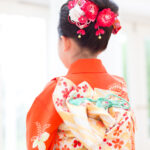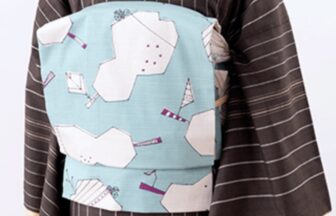
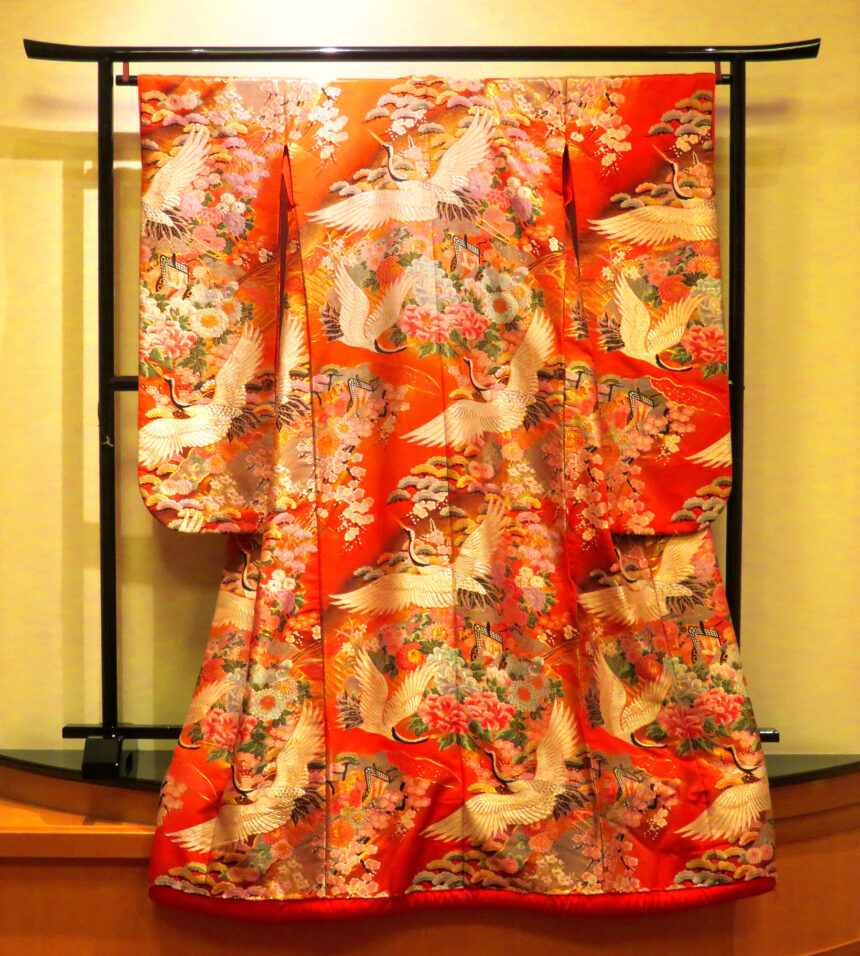
women’s bridal robe with trailing skirts worn over a kimono

Japanese clothing

women’s bridal robe with trailing skirts worn over a kimono(uchikake)

Japanese clothesclothing

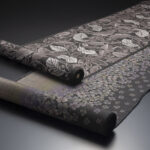
It is a kind of formal dress for women. The name comes from the fact that it is worn over a kosode (a kimono with narrow cuffs and rounded sleeves), and is worn as if it is hung over the kosode. It is one size longer than the kosode, and has a thicker “fuki” section at the hem, which is filled with cotton. In modern times, it is used as a bridal costume. Both types are decorated with gorgeous picturesque embroidery and tie-dye patterns. Shiro-uchikake are pure white. The color white represents purity and means that the bride can be dyed in any way according to the color of the family she is marrying into. On the other hand, colored uchikake are usually red to represent the “blood” of the bride’s family, but in recent years, variations in colors other than red have been increasing.

新着・おすすめ情報

  1. Manners for the Mid-Summer Gift Giving Year 2023 Edition: When to Give, Who to Give it to, How to Give it to Someone, and How to Hang a Wrapper.

  2. What is the origin of the name “Gohyakumangoku,” rice suitable for sake brewing? Words related to Sake

  3. Rintsushinomori Park (Musashikoyama, Tokyo)

  4. steamed fish-paste cake, sliced to decorate soup (type of kamaboko)

  5. The important thing is to build a steady network. Nakazawa Nyugyo Co., Ltd. is expanding its business with the spirit of “Be with each other and do business with each other.

  6. Koami Shrine (Ningyocho, Tokyo)

  7. Mori Garden (Roppongi, Tokyo)

  8. Gotokuji Temple (Setagaya, Tokyo)

  9. Why display “Armor Decorations” on Dragon Boat Festival. Armor is not for fighting…

  10. Monument to Kunikida Doppo (Mitaka, Tokyo)

  11. bone at the base of a fin

  12. The history is more than 670 years old. Shioze Sohonke”, the creator of “sweet Japanese buns” with a grand history.

  13. 【第4回】「関東の蕎麦、関西のうどん」食べ方を見ればその人の出身地が分かる

  14. Eating Doze soup every day to check the taste. The current owner of Komagata Dozeu, a famous restaurant that has been in business since the Edo period, demonstrates his commitment to preserving the taste of his products.

  15. Namikaze Shrine (Tsukiji, Tokyo)