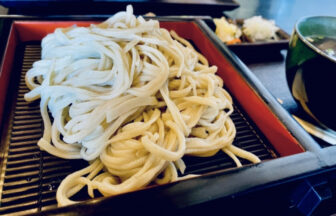


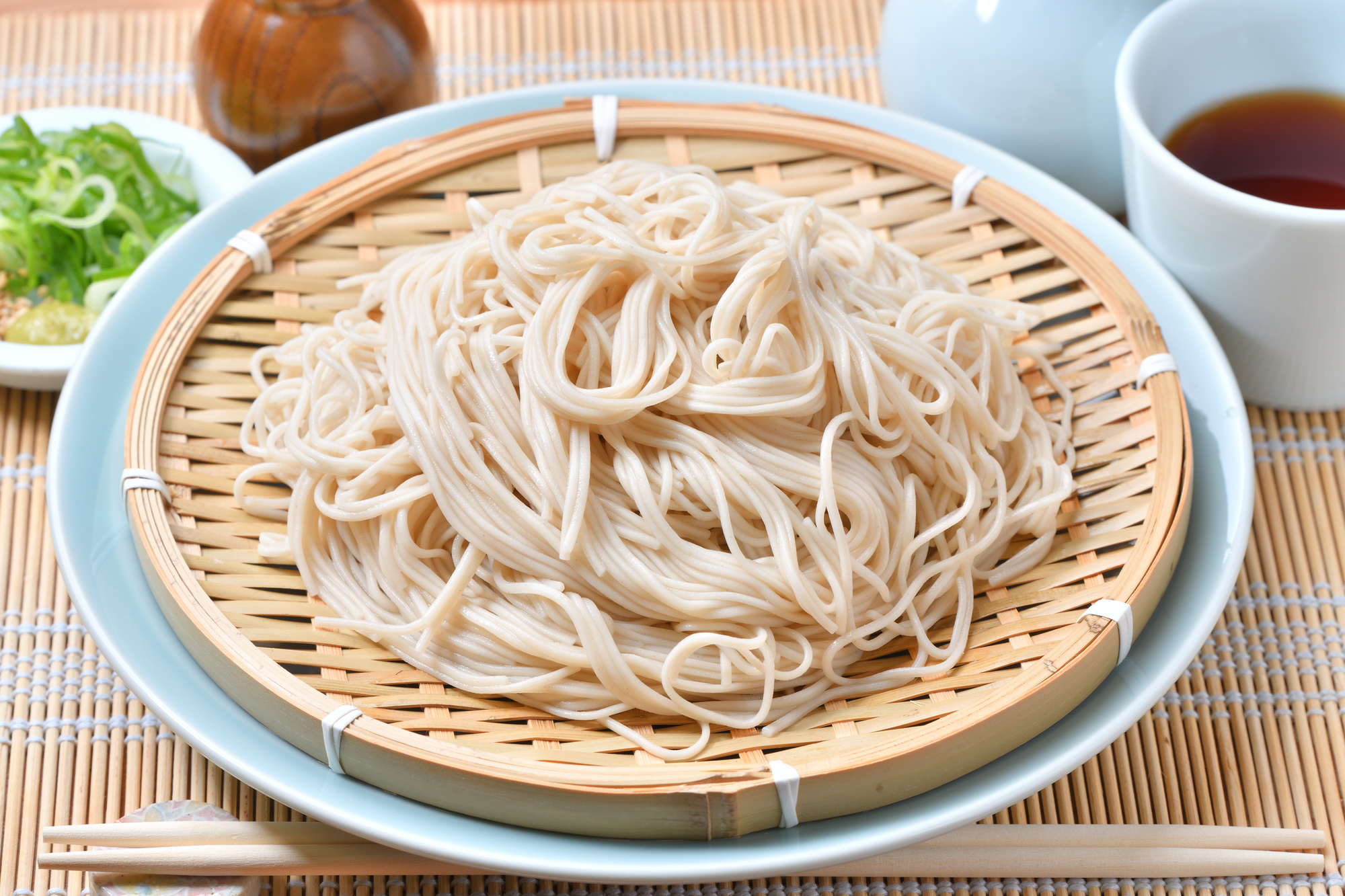
そばの実の中心の柔らかい部分を挽いた白い粉「更科粉」で打ったそばを出す店。「薮」「砂場」とともに、江戸前そば御三家の一つに数えられる。更科粉は、そばの実を挽くと一番はじめに出てくる部分のみを集めたことから「一番粉」という名も持つ。色のついた甘皮が混ざらないため、繊細な喉ごしの白いそばに仕立てられるのが特徴。
更科の発祥は、信州。そば打ちに長けた信州出身の堀井清右衛門が領主のすすめで江戸に「信州更科蕎麦所 布屋太兵衛」を開いたのが始まりとされる。更科の「科」は、領主であった信州の保科家に由来。
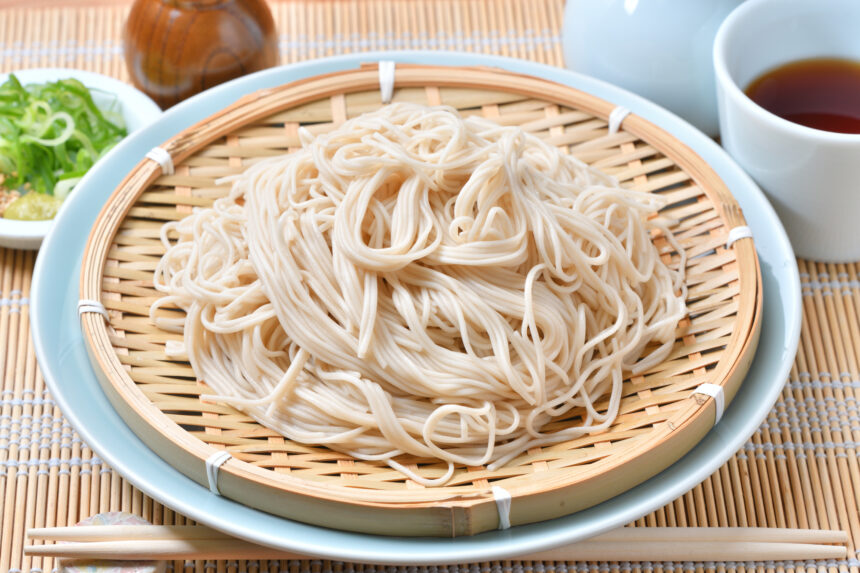
そばの実の中心の柔らかい部分を挽いた白い粉「更科粉」で打ったそばを出す店。「薮」「砂場」とともに、江戸前そば御三家の一つに数えられる。更科粉は、そばの実を挽くと一番はじめに出てくる部分のみを集めたことから「一番粉」という名も持つ。色のついた甘皮が混ざらないため、繊細な喉ごしの白いそばに仕立てられるのが特徴。
更科の発祥は、信州。そば打ちに長けた信州出身の堀井清右衛門が領主のすすめで江戸に「信州更科蕎麦所 布屋太兵衛」を開いたのが始まりとされる。更科の「科」は、領主であった信州の保科家に由来。



Copyright © agatajapan. All Rights Reserved.