

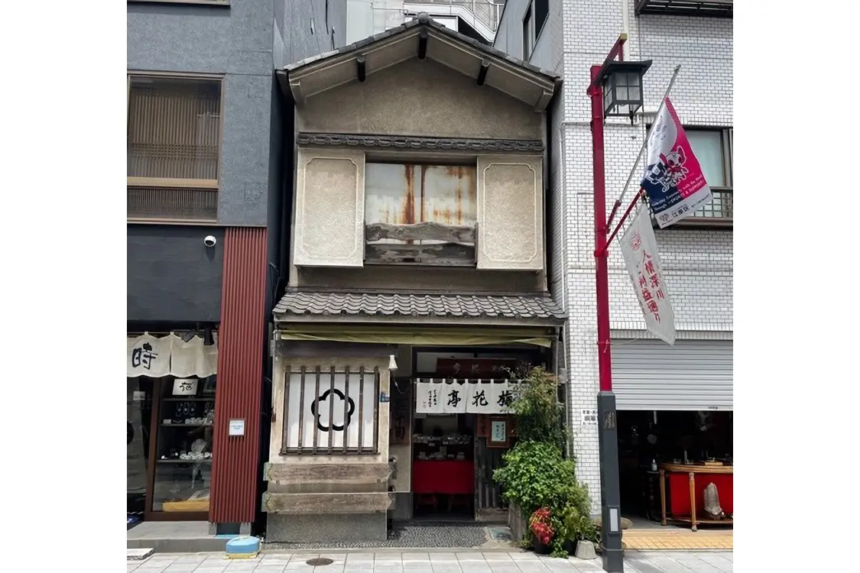
Founded in Kaei 3 (1850)
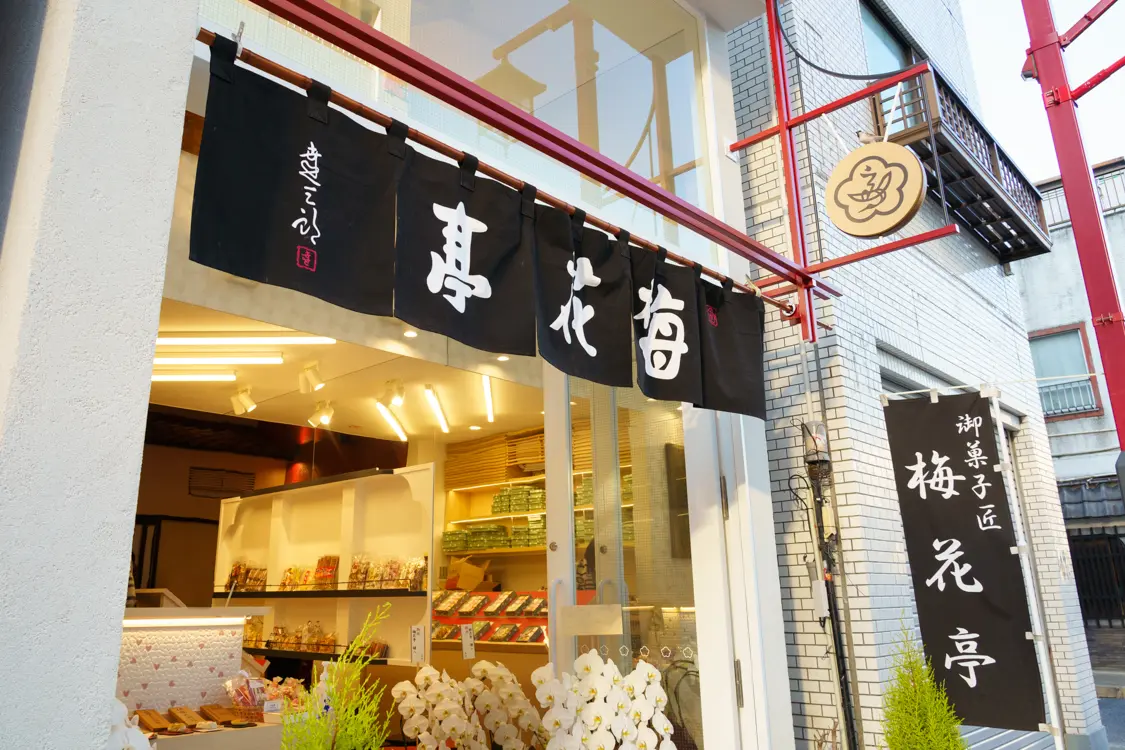
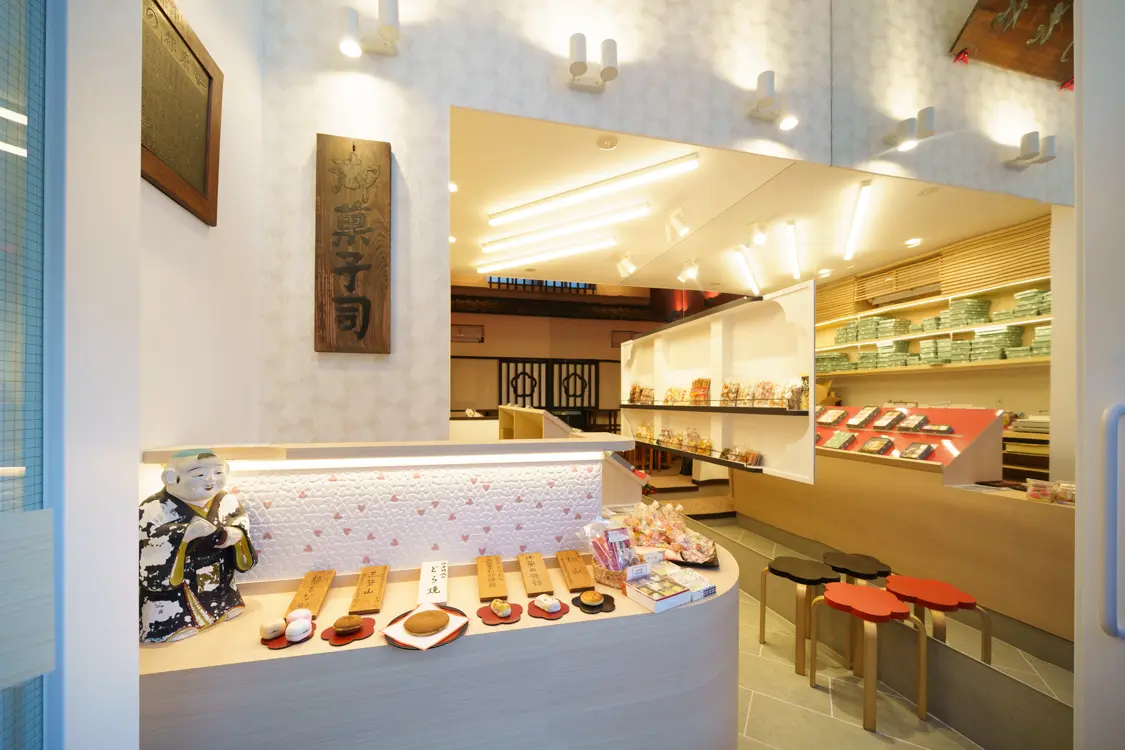
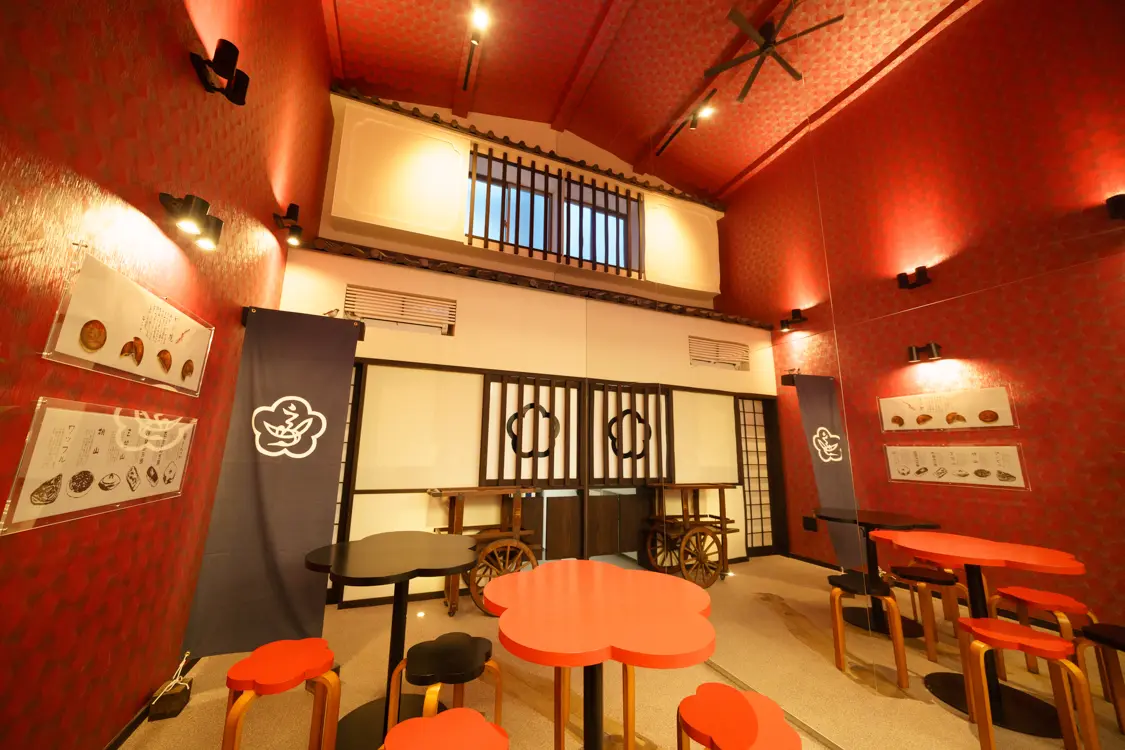
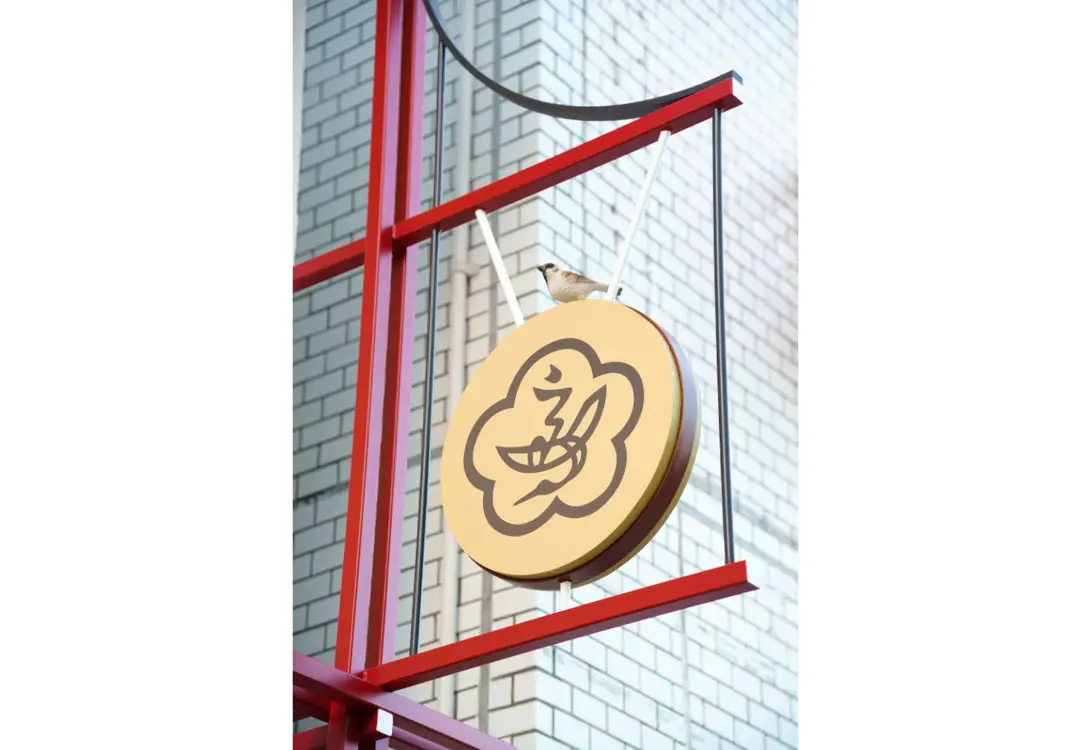
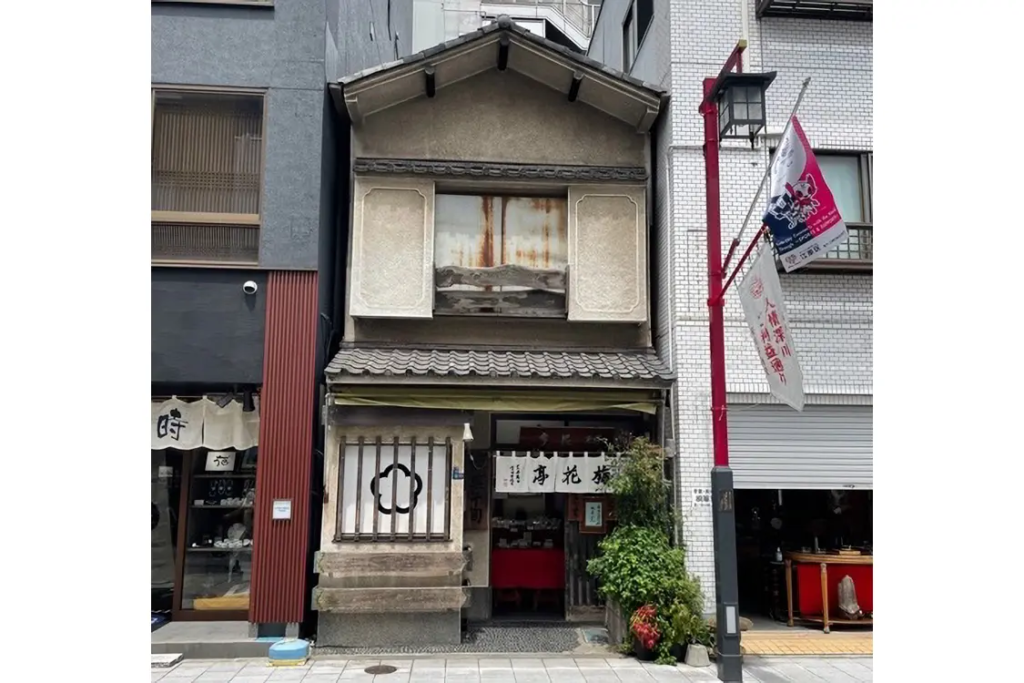
The highlight is the Fukagawa shop, renovated for the first time in 70 years.
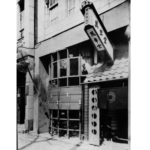
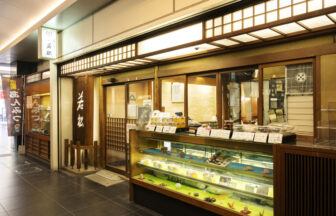
Baikatei Fukagawa Shop, a traditional Japanese confectionery, is located on the Nakamise-dori of Naritasan Fukagawa Fudoson. Amid many long-standing buildings, its bright and modern exterior, newly reopened in December 2021, stands out.
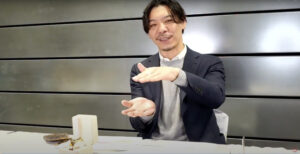
“We wanted customers to feel welcome to stop by easily, so we designed large open doors and a layout where people can see all the way to the back from outside,” says Director Michi Mochizuki.
“Because the space is long and narrow, we incorporated many tricks to avoid making it feel cramped. The café area in the back has a full-mirror wall on one side, making it feel twice as large. The reflected tiled roof makes it look as if an old two-story house is standing in the back of the shop.”
The tiles and wood used to decorate the interior were carefully removed from the old shop and reinstalled one by one. Aged boards (once handrails of second-floor windows) are embedded under the table seats in the shape of shrine wooden tags, and charming sparrow ornaments hang overhead, creating a playful atmosphere.
Mochizuki, who led this first renovation in 70 years, previously worked for many years in British-related finance, but returned from Singapore in 2016 and began managing the shop in place of her elderly mother.
“Because I worked in a completely different field, I could clearly see what makes Baikatei special when I stood in this small shop. Even if we can’t mass-produce, we never mechanize or outsource — we are dedicated to handmade craftsmanship. For example, our signature dorayaki can only be baked nine at a time, but we believe it is important to take the time and put love into each one.”
In the café space, customers can enjoy all the products sold in the shop, plus original desserts available only here.
History
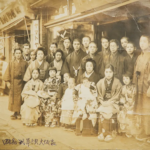
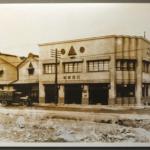
The first owner, originally from Gifu, entered Edo as a money handler for Lord Tokugawa Ieyasu. In Kaei 3 (1850), he founded the confectionery “Baikatei” in Odenmacho. A lover of new ideas, the first owner created many original sweets, adopting Western confectionery techniques that were still rare at the time.The “America Manju” invented by the first owner was baked in a bread oven inspired by Western pastries, and is considered the ancestor of chestnut manju. The second owner created “Dora-yaki,” shaped like a gong, and it is known as the origin of modern dorayaki.
Baikatei has three shops — the main store in Shinkawa, the Kodenma store, and the Fukagawa store — and all products are handmade by artisans in the main store’s workshop.
Please enjoy Japanese sweets in this space where tradition and innovation come together.

Michi Mochizuki
8th-generation head of Baikatei (Director)
The renovated Fukagawa shop is innovative while carefully preserving what is old and good. The lettering on the shop curtain is one example — written by the 6th-generation owner, Tatsu Saburo Nakamura, who had deep knowledge of art. The illustrations on the bookmarks attached to the confections are also his work. Please stop by after visiting Fudoson Temple.
This Notable Item
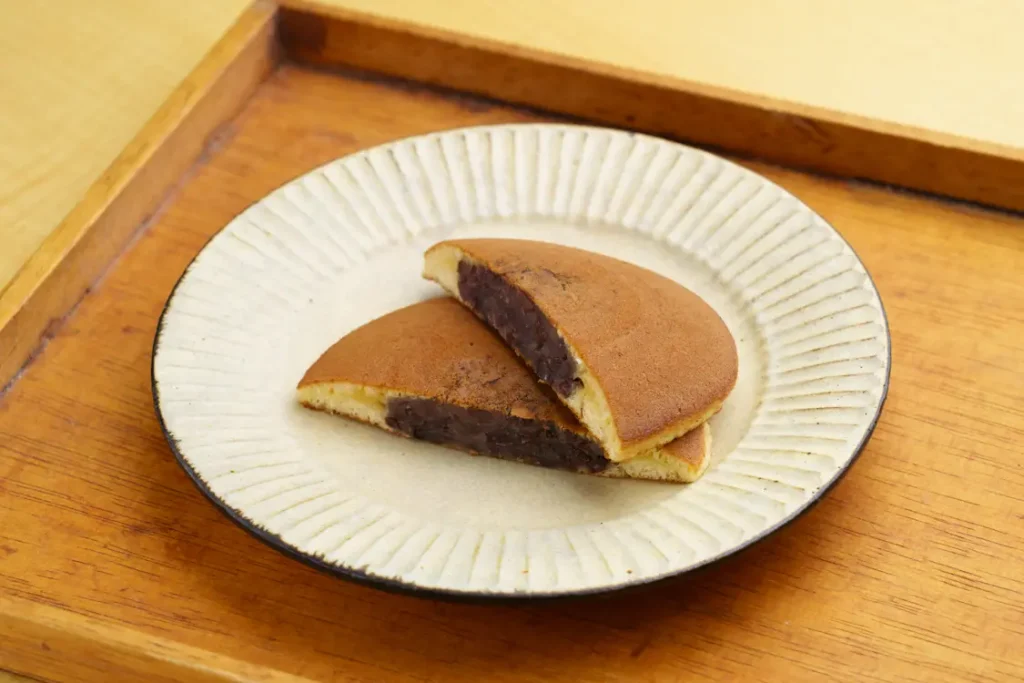
Dorayaki
240 yen per piece
Baikatei is known as the birthplace of dorayaki. Although production was once discontinued, strong requests led to its revival in 1998. The unique method involves scooping a ball of bean paste dropped onto the batter with chopsticks and baking it on a copper plate. The single-layer batter holds a generous amount of filling. It is also recommended to warm it slightly and top it with butter.
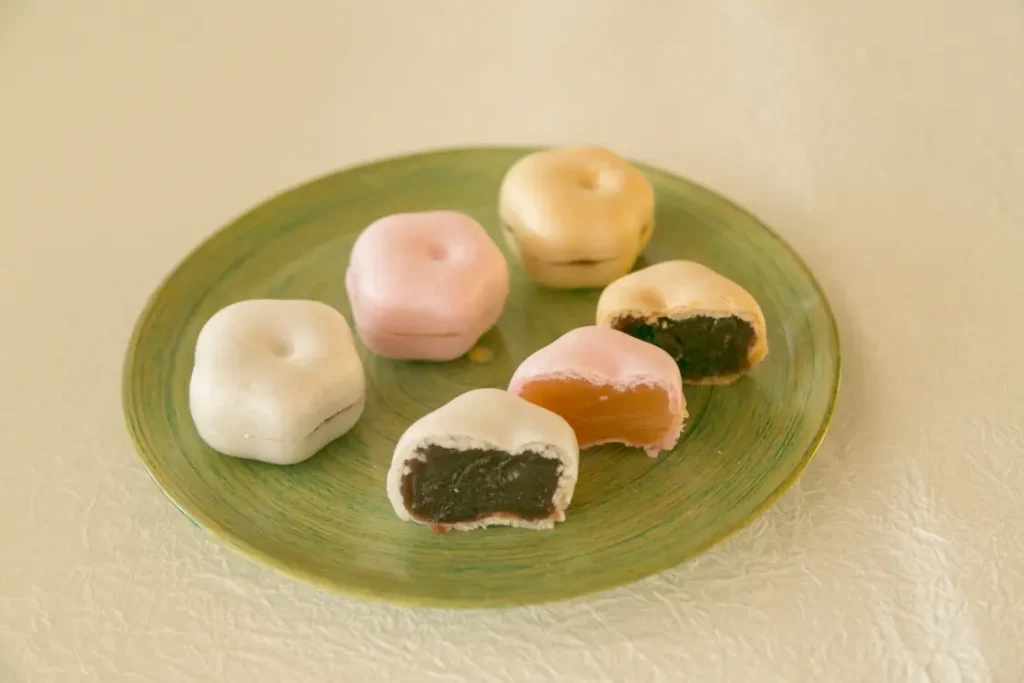
Ume Monaka
180 yen per piece
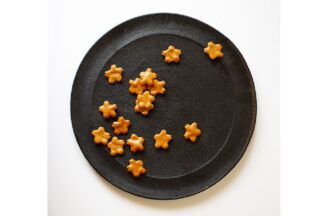
This monaka is designed in the shape of a plum blossom, inspired by the name Baikatei. Originally round, it was changed by the 6th-generation owner in 1934 to a plump plum shape. It has a thick, rich shell filled fully with sweet bean paste. The filling comes in three types: white smooth paste, black smooth paste, and coarse red bean paste. Its adorable appearance makes it a perfect souvenir.
Spot Overview
| address (e.g. of house) | |
|---|---|
| phone | |
| Business Hours | |
| regular closing day | |
| Payment Method | |
| External Links |