

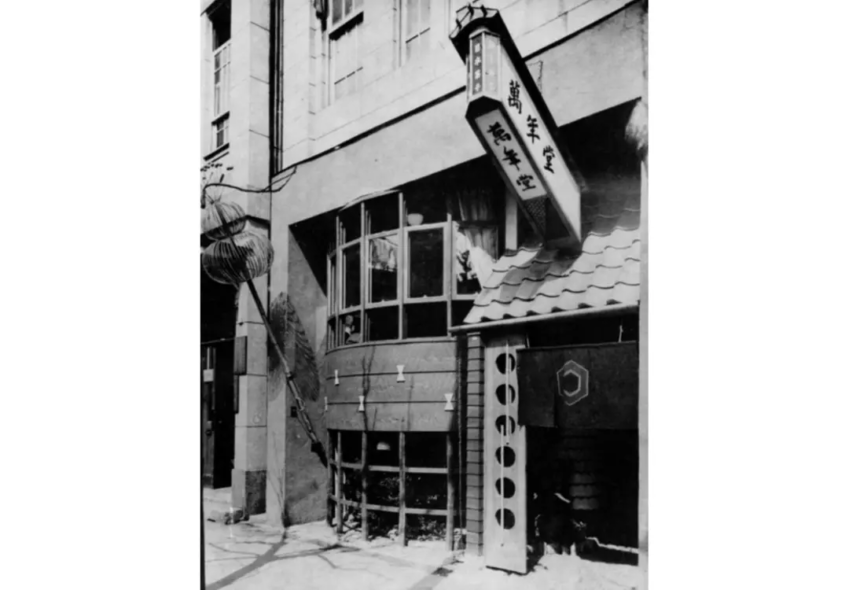
Founded in Genna 3 (1617)
Carefully crafted homemade red bean paste with a rich aroma of adzuki beans
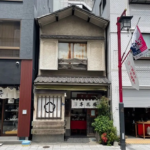
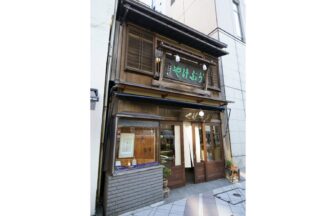
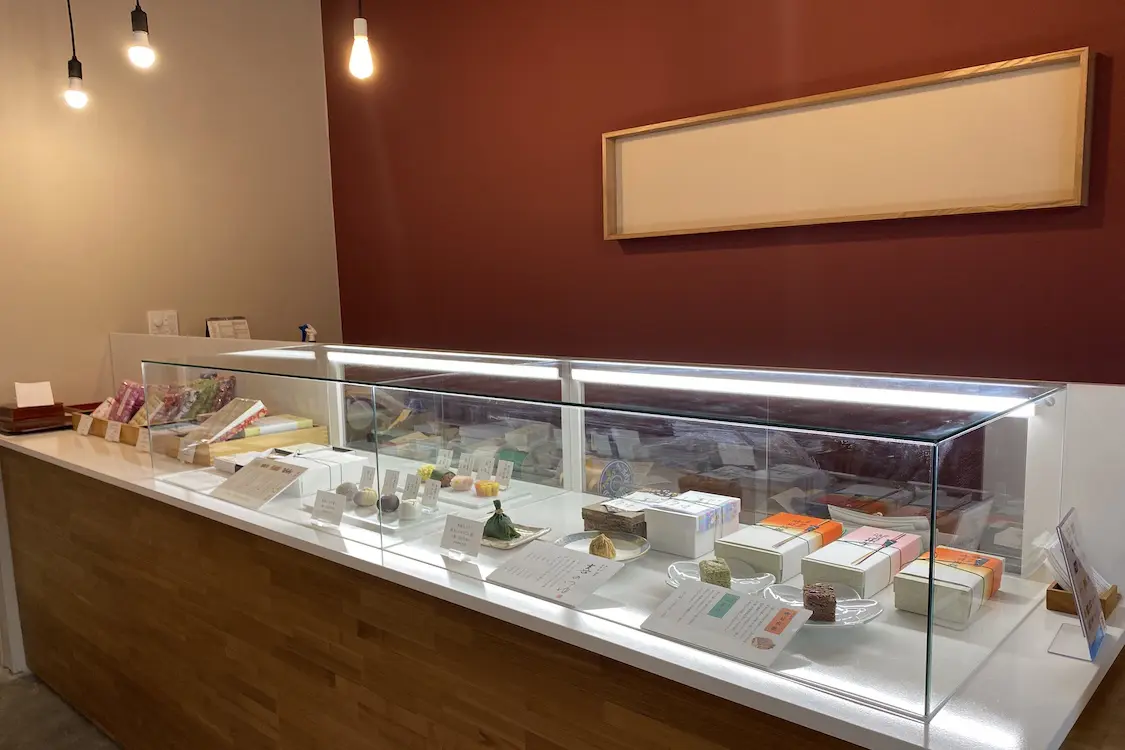
A new store with a tea room opened in Ginza 7-chome in September 2022.It is located on the 1st floor of a building in a quiet area just off the main street.Guests can not only buy sweets but also relax with exclusive menu items and matcha available only here.
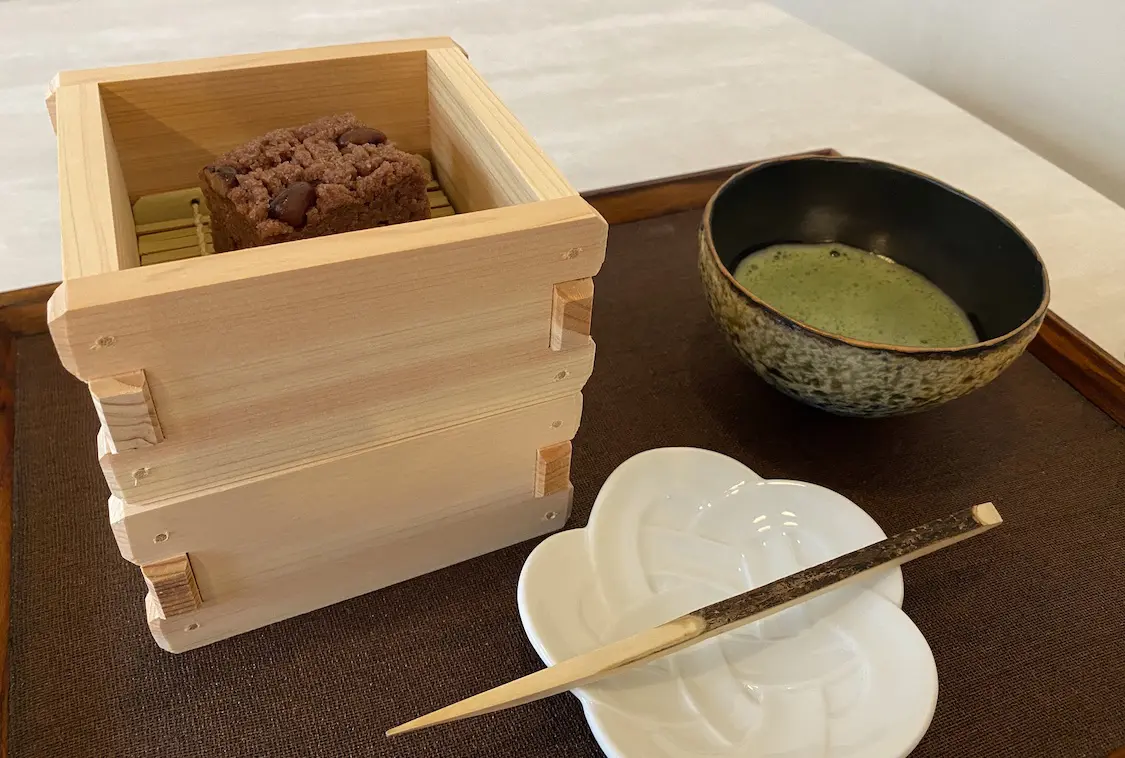
Among Mannendo’s sweets, the most eye-catching is “Omedetō,” which looks like red rice and comes in a vibrant gift box.It originated from the family recipe “Koraimochi” of the Genroku era and was adapted into a celebratory sweet in the mid-Meiji period, remaining beloved to this day.
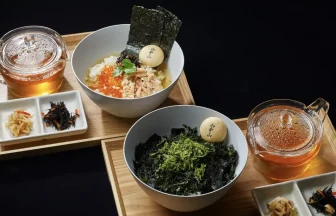
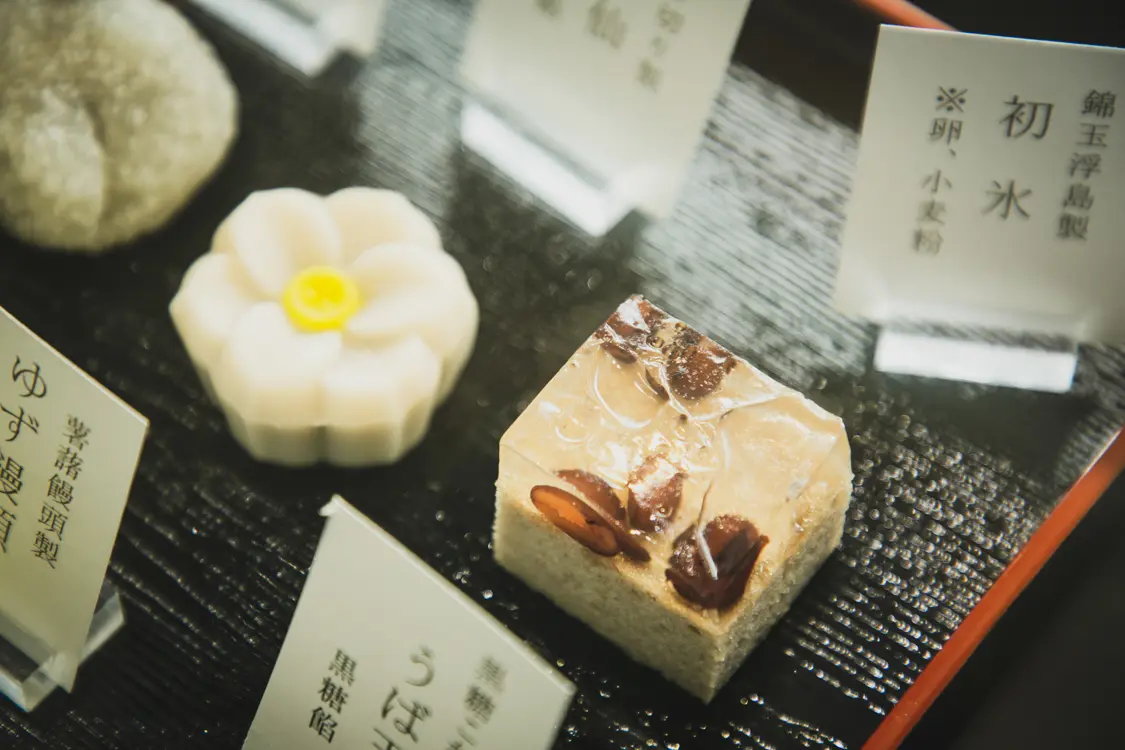
In the tea room, you can enjoy warm steamed “Omedetō.”Freshly made “An Warabi Mochi” and seasonal fresh sweets are also available.Guests choose one of the three sweets, and it comes as a set with matcha, roasted tea, and dried sweets (1,650–1,980 yen).
The mantle of Mannendo’s 400+ year history is upheld by the 13th-generation successor, Yoshiyuki Higuchi.At the factory in Asakusabashi, he and one other craftsman, together with several part-time staff—about five people total—produce all the sweets.He shared that as a child he loved stopping by the factory next to his home and watching the craftsmen work.What Higuchi values most in wagashi making is the red bean paste.
“The key feature of Mannendo’s sweets lies in our red bean paste, made entirely in-house with great care and time.Our bean paste is called ‘Shibukirazuan,’ simmered without discarding the cooking liquid that contains the natural astringency of the bean skins.The true taste and aroma of the adzuki beans remain rich and strong,” says Higuchi.
Indeed, sweets made with Mannendo’s bean paste all bring out a strong flavor and aroma of adzuki beans.The nostalgic, simple flavor of Shibukirazuan is also used in “Omedetō.”
“During the pandemic our sales plummeted, but recently we’ve seen far more customers casually purchasing wagashi to enjoy at home with themselves or their families.We may face challenges ahead, but we want to continue making sweets that make our customers happy.”
History
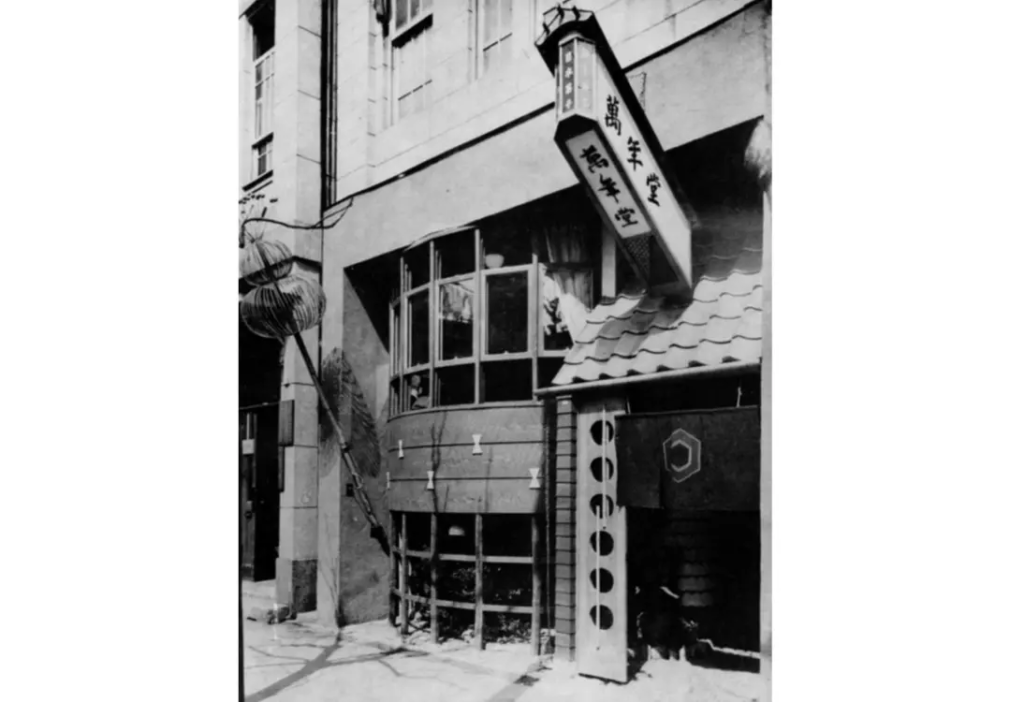
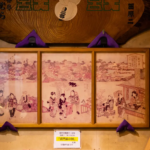
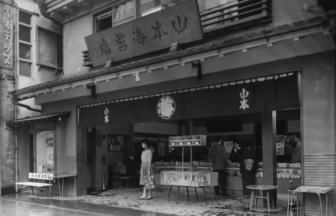
Founded in Genna 3 (1617) in Teramachi Sanjo, Kyoto.At that time they were known as “Kameya Izumi,” catering sweets and cuisine to the Imperial Family and temples.From the Genroku era they focused solely on confectionery, creating Koraimochi—the origin of Omedetō.In Meiji 5, with the relocation of the capital, they moved to Yaesu Kitamakimachi in Tokyo and opened under the name “Kameya Izumi Mannendo Main Store.”In the mid-Meiji era, “Omedetō,” which modeled Koraimochi after red rice, was created.It remains the flagship product to this day.Later, they opened a store with a tea room in Ginza but lost all shops due to earthquakes and wartime damage.Even then, they continued making sweets by cooking bean paste over a fire in their garden at home.The Ginza store, once located on the 1st floor of Ginza Core, relocated and reopened in September 2022 as the new shop with a tea room.
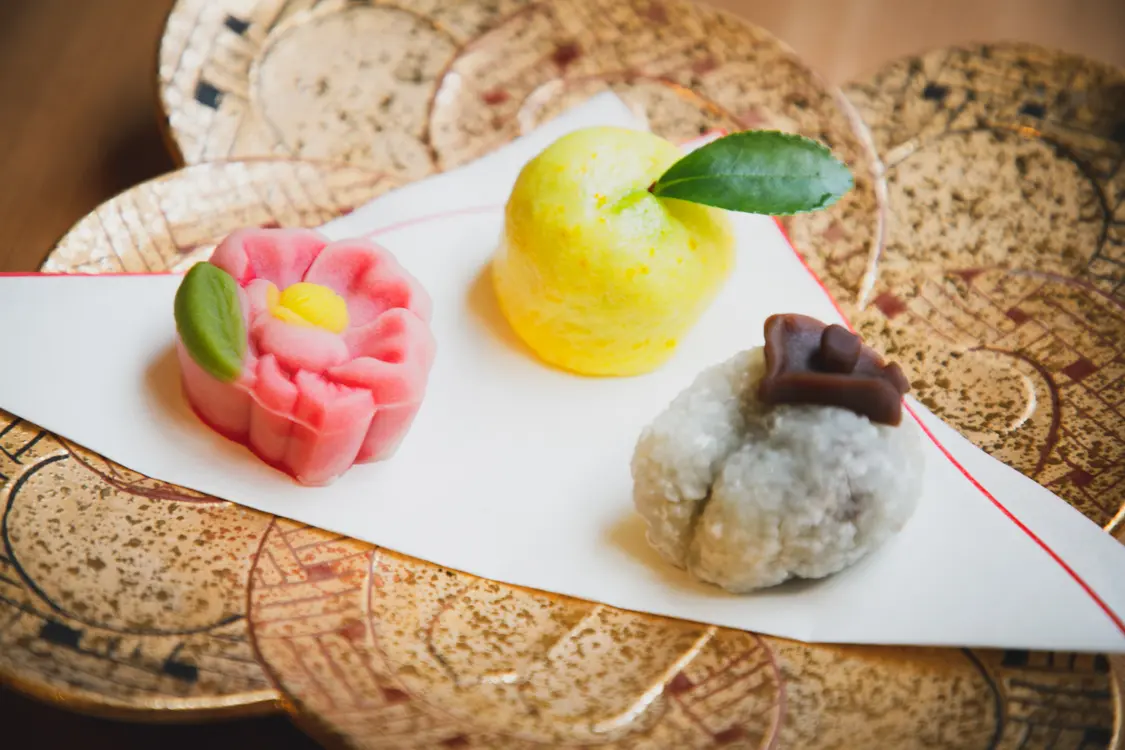
Please also enjoy the elegant visual beauty unique to wagashi.
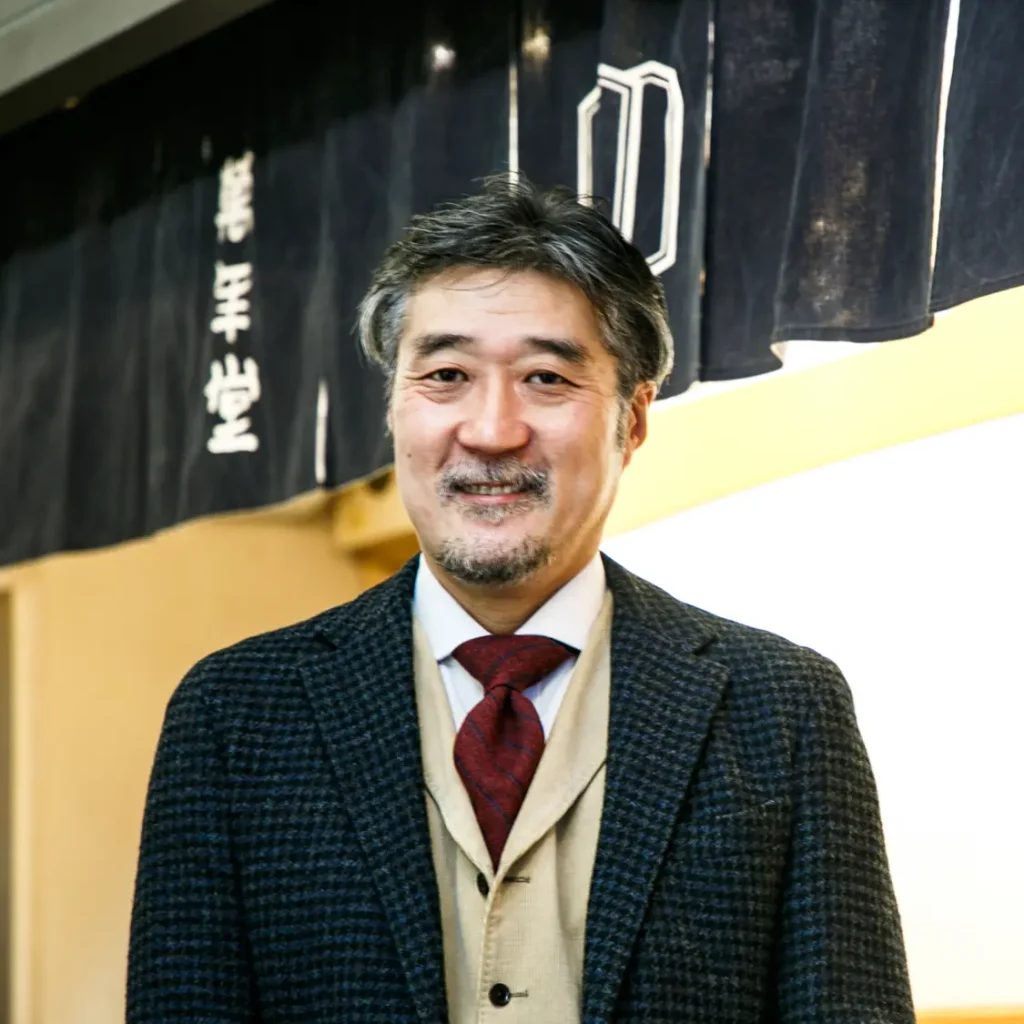
Yoshiyuki Higuchi
13th-generation head of Mannendo Main Store
Although wagashi are traditional, there are no strict rules on how to enjoy them.One of their charms is their colorful and beautiful appearance.Please choose what looks cute to you first and find your own favorite.
This Notable Item
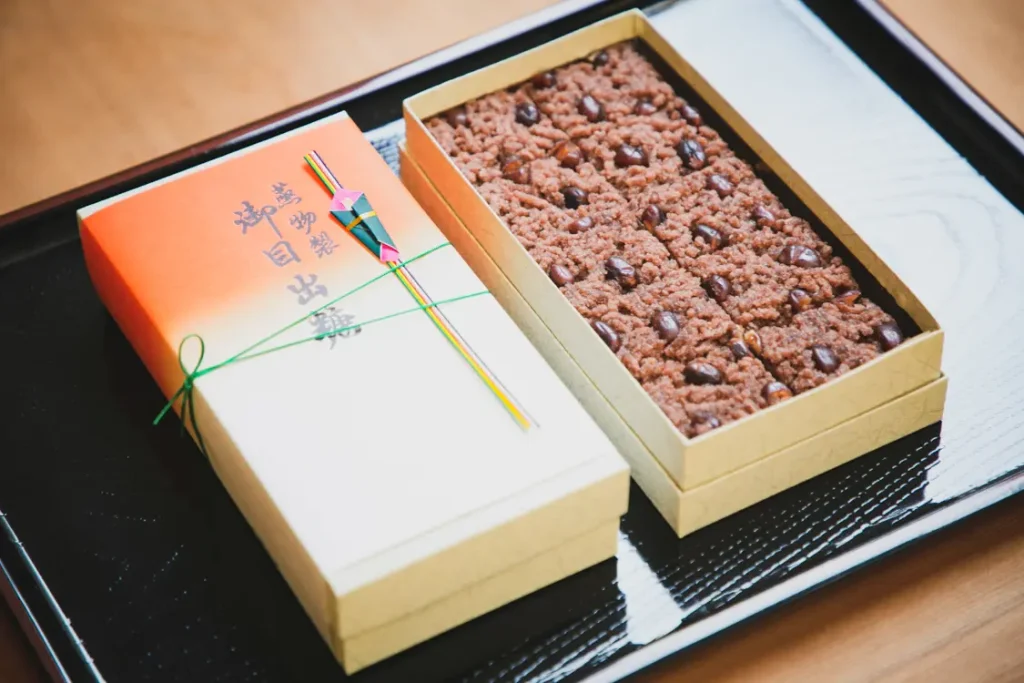
Omedetō
6 pieces — 1,858 yen
With its red-rice-like appearance and name, it is often chosen for wedding gifts and celebrations and is a signature sweet of Mannendo.Red bean paste is mixed with rice flour and glutinous rice flour into crumbles, topped with candied Dainagon beans, then steamed.It features a rich adzuki flavor and gentle sweetness with a soft, chewy texture.
Hyakka
1 bar — 1,296 yen
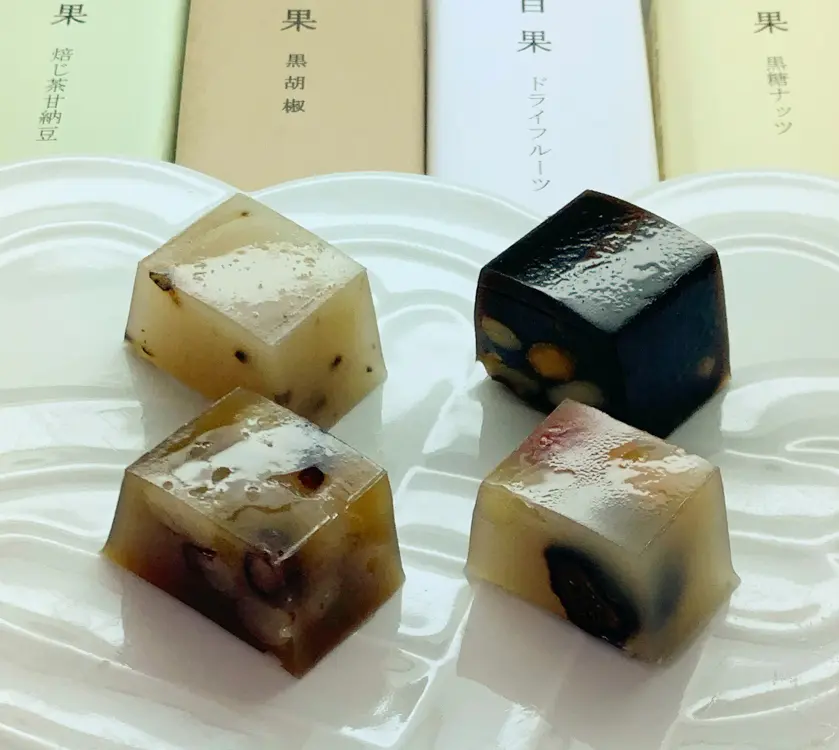
The yokan is filled generously with dried fruits, nuts, and sweet beans.There are four standard flavors—Dried Fruit, Brown Sugar & Nuts, Roasted Tea & Sweet Beans, and Black Pepper—along with seasonal varieties.The cut surface is beautiful, making it a yokan you can enjoy visually.
Yoshino Tsuyu
1 piece — 162 yen
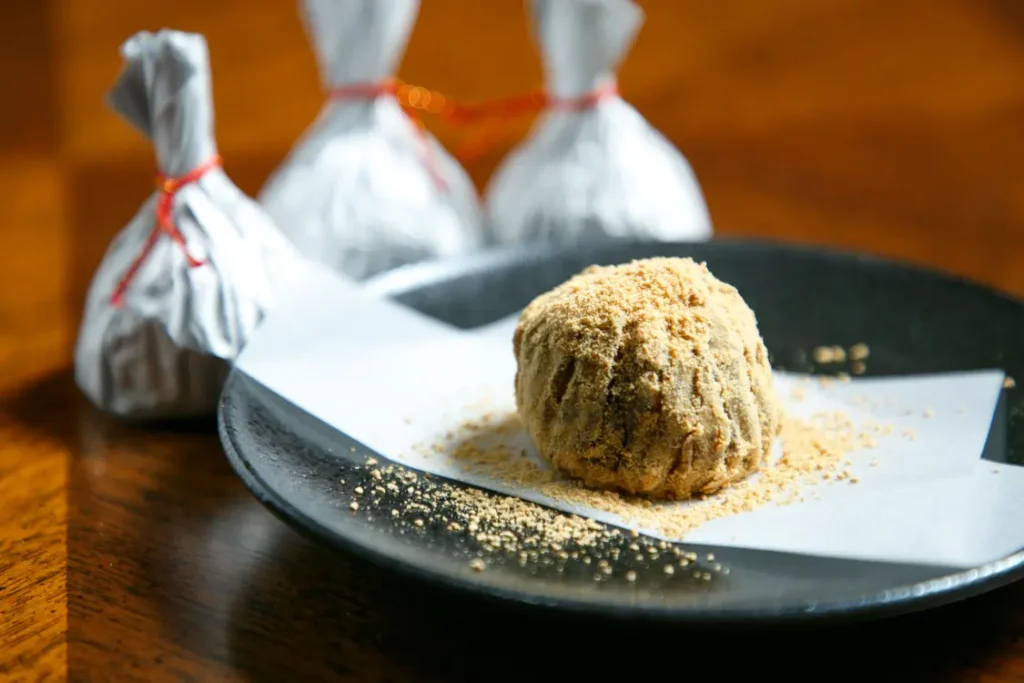
This warabi mochi was designed for easy eating in response to complaints about syrup and kinako spilling when poured over traditional warabi mochi.Its name “Yoshino Tsuyu” comes from the recurring character “喜” in the family line and its texture reminiscent of night dew.Inside the kinako-coated warabi mochi is a smooth Yoshino jelly made by thickening brown sugar syrup with Yoshino kudzu.Each piece is individually wrapped so it can be eaten easily right from the package.
Spot Overview
| address (e.g. of house) | |
|---|---|
| phone | |
| Business Hours | |
| regular closing day | |
| Payment Method | |
| External Links |