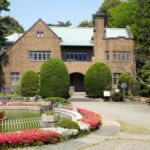


Founded in the late Muromachi period
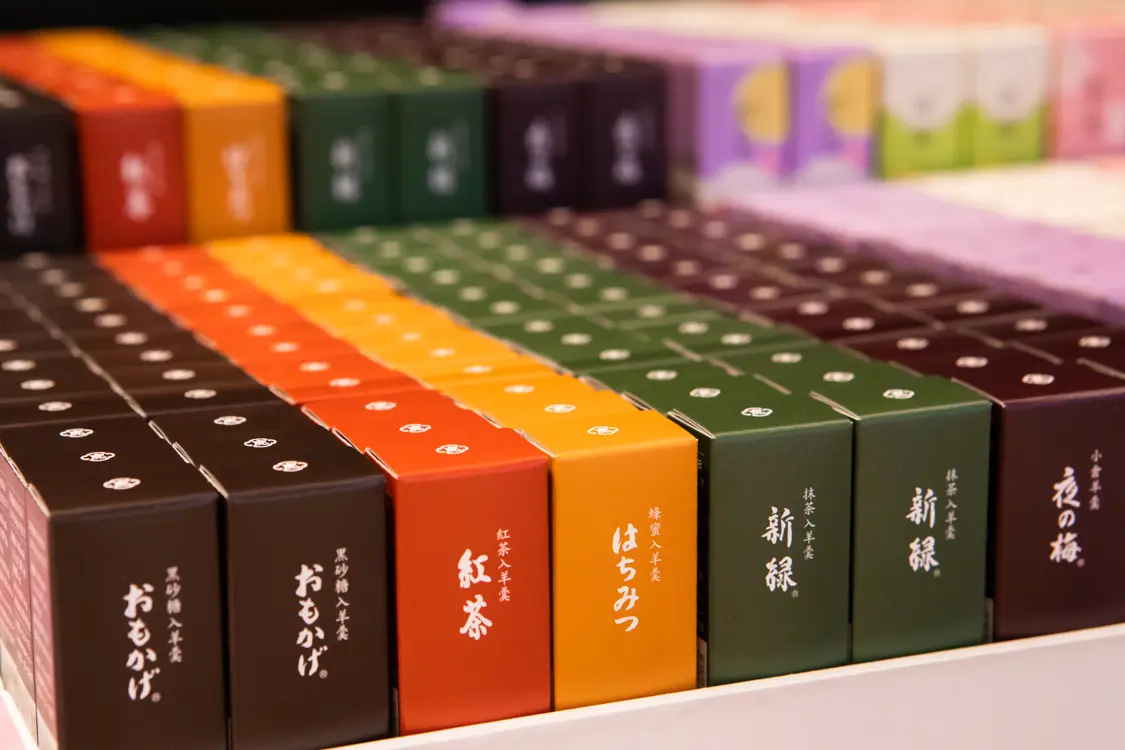
We want to make the most delicious wagashi for the present time.
With 500 years of history and the philosophy of “bringing joy through delicious wagashi,” Toraya continues to pursue flavors that match the times. We keep evolving in every aspect—not only in taste and techniques, but also in store concepts and new product development.
“Because wagashi are made from simple ingredients, using high-quality ingredients is extremely important. To secure the finest materials stably, we have long cultivated rare and difficult-to-grow ingredients under contract and worked with producers to develop them. At the same time, we also look at changes in the times, such as ingredients newly available through improved distribution and new varieties of fruits,” says Kurokawa.
Toraya always aims for “better confectionery making,” and values the customer’s point of view when releasing new products or improving long-selling ones.
“What matters most is what customers want right now. We ask ourselves that constantly and continue to improve—even long-selling items—to make them even more delicious. Bringing joy to our customers by offering delicious wagashi with good service and in a good way is our greatest happiness,” he adds.
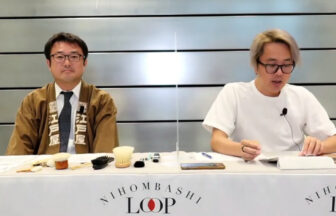
Kurokawa says he now wants to share the appeal of yokan and wagashi with the world. In recent years, Toraya has provided yokan to athletes at international sports events and shared information on social media also written in English.
“About 20–30% of our Instagram followers are from overseas. If people become interested in the photos of our sweets or try them in person, we can receive feedback from around the world, which will surely help us make wagashi even more delicious,” he says.
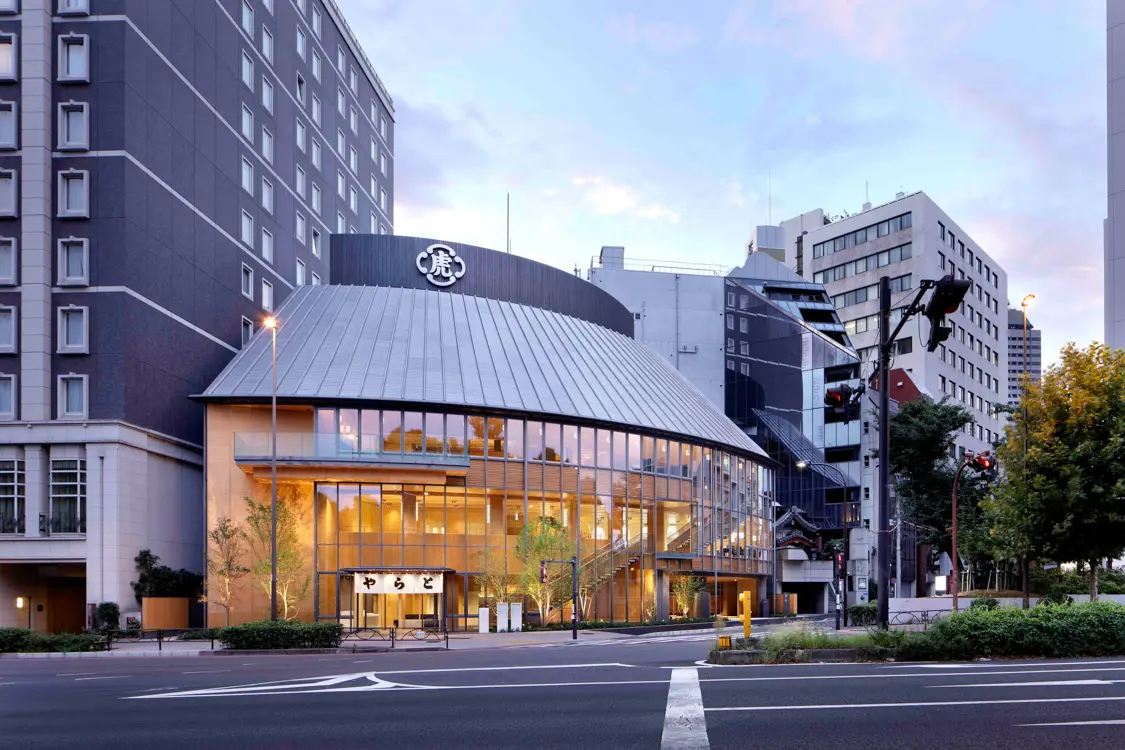
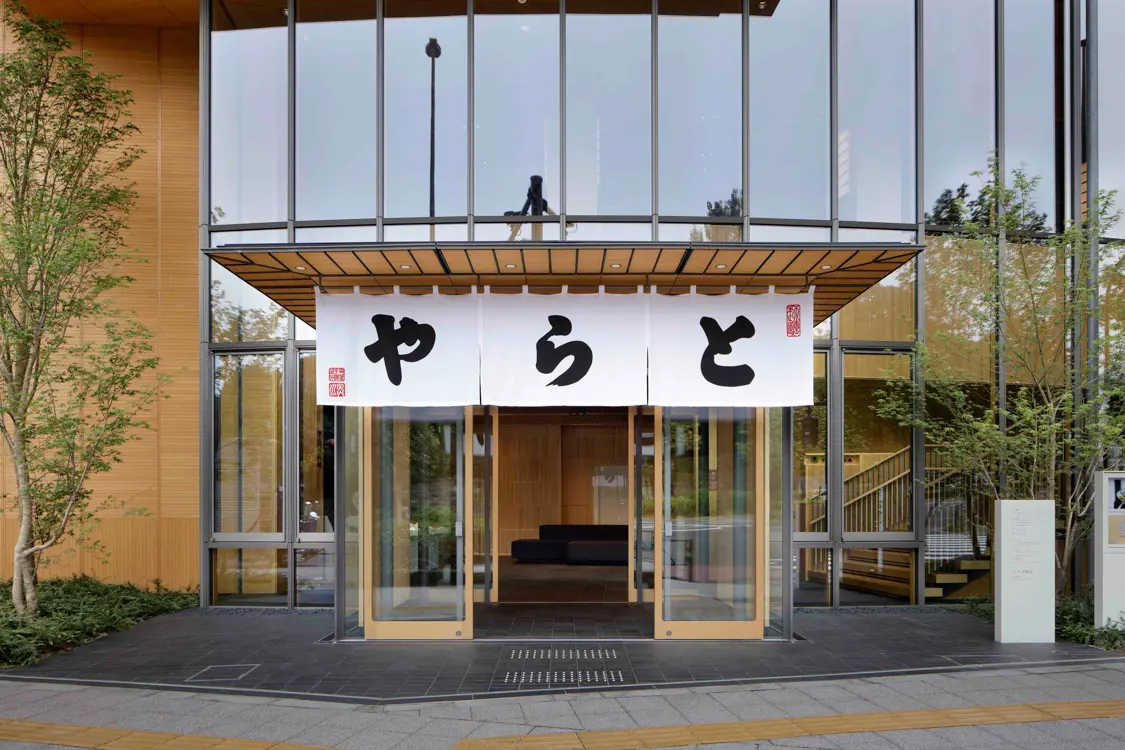
The new Akasaka store is a modern four-story building with a gallery, production workshop, and tearoom. It welcomes abundant natural light and fresh air, and the wide windows offer a view of the greenery of the Akasaka Estate. At Toraya Tea Room, visitors can enjoy anmitsu, oshiruko, exclusive Akasaka-only menu items, and meals. How about relaxing with food or tea while enjoying the view outside?
History
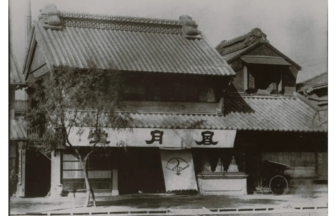
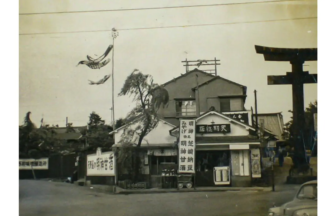
Toraya was founded in Kyoto in the late Muromachi period. Since the reign of Emperor Goyōzei (1586–1611), it has served the Imperial Court as a long-established wagashi maker. During the Meiji relocation of the capital to Tokyo, Toraya expanded to Tokyo while keeping its Kyoto shop. Today, it operates directly managed shops and department-store locations across Japan, as well as a store in Paris.
While continuing to pursue the deliciousness of traditional wagashi, Toraya also takes on new styles—such as the “Toraya An Stand,” where people can casually enjoy anko, and “Toraya Kobo,” which serves simple sweets like dorayaki and daifuku in a natural setting—expanding new ways to enjoy wagashi.
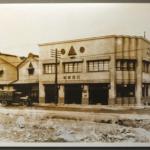
In 2018, after a three-year reconstruction, the Akasaka store reopened. In 2020, the 18th-generation successor, Mitsuharu Kurokawa, became President and CEO at age 35. Toraya continues into a new era.
Please come and experience the world of Toraya’s wagashi and the changing seasons.
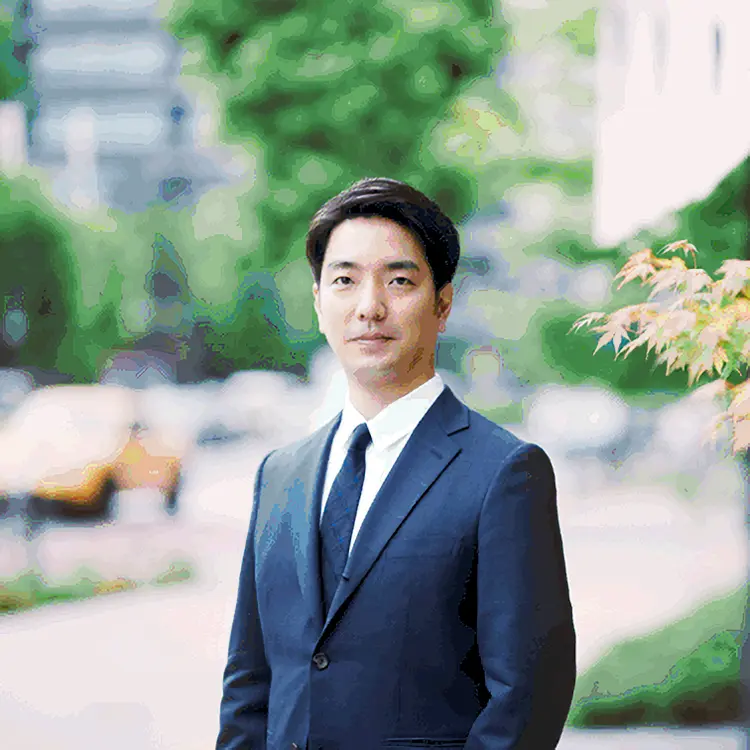
Mitsuharu Kurokawa
18th Head of Toraya / President & CEO
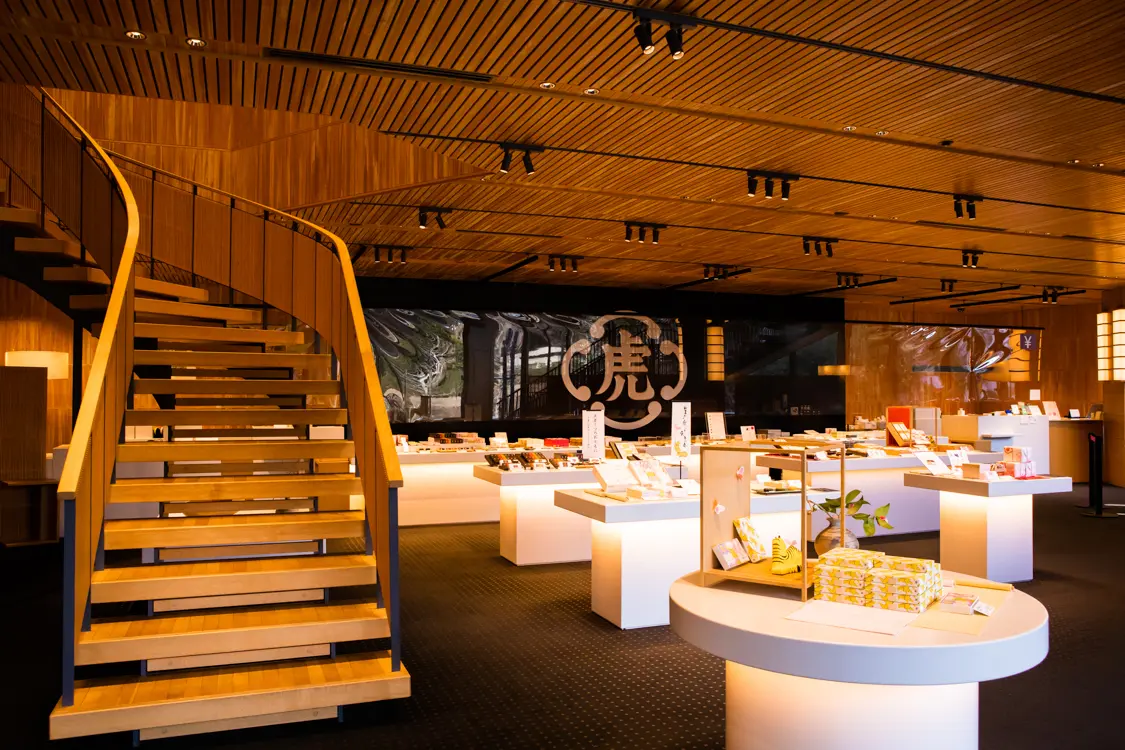
All fresh sweets sold at the Akasaka store are made on site. Please enjoy the expression of freshly made sweets in bright natural light. You can view the production workshop through glass and feel the delicate craft of wagashi-making up close.
This Notable Item
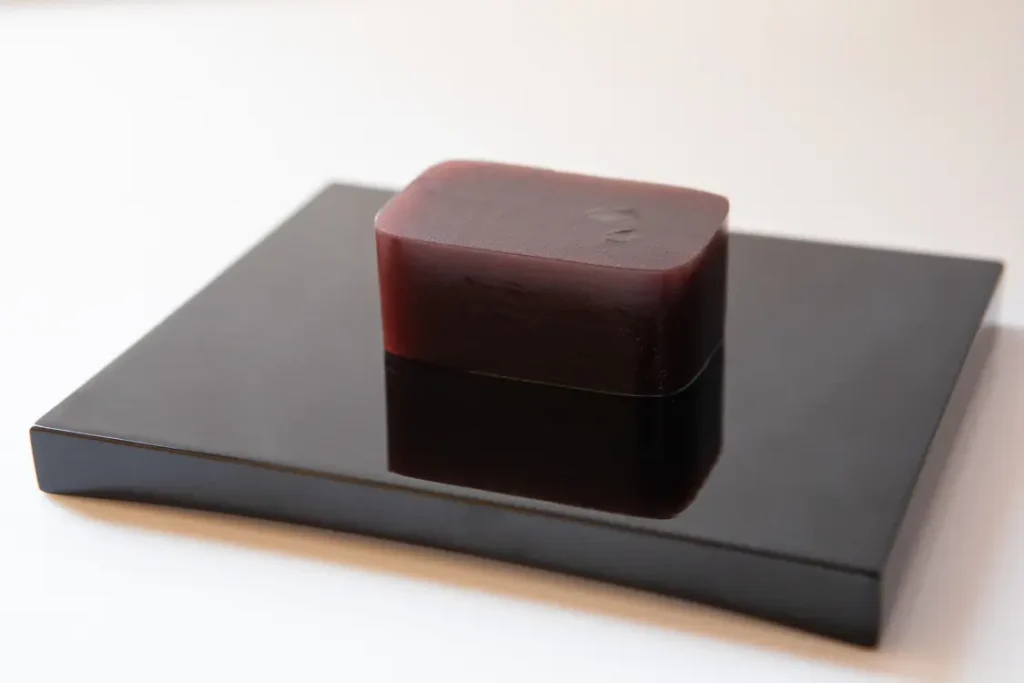
Ogura Yokan “Yoru no Ume”
Large: 5,616 yen / Bamboo-wrapped: 3,024 yen / Medium: 1,512 yen / Small: 292 yen
A representative yokan of Toraya, recorded even in the Edo period. It takes three days to make, starting from boiling azuki beans to make a special anko. If the 18th-generation Kurokawa had to choose one favorite sweet, it would be this one. “The azuki faintly visible on the cut surface is compared to plum blossoms at night. It can be stored for a long time at room temperature and enjoyed deliciously.”
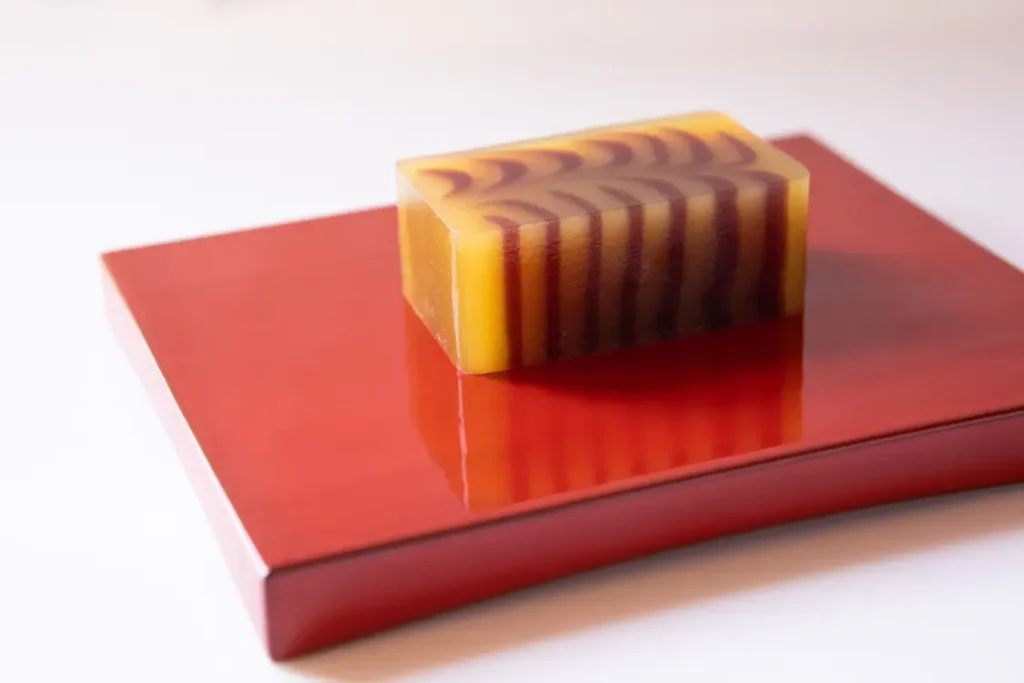
Special Yokan “Senri no Kaze”
Medium: 1,944 yen / Bamboo-wrapped: 3,888 yen
A yokan available exclusively at the Akasaka store. The design features a tiger, Toraya’s symbol, inspired by the saying “travels a thousand li in a day and returns a thousand li.” It has been particularly popular in 2022, the Year of the Tiger. The tiger-stripe pattern made from white-bean yokan and black-bean yokan is created entirely by hand by artisans.
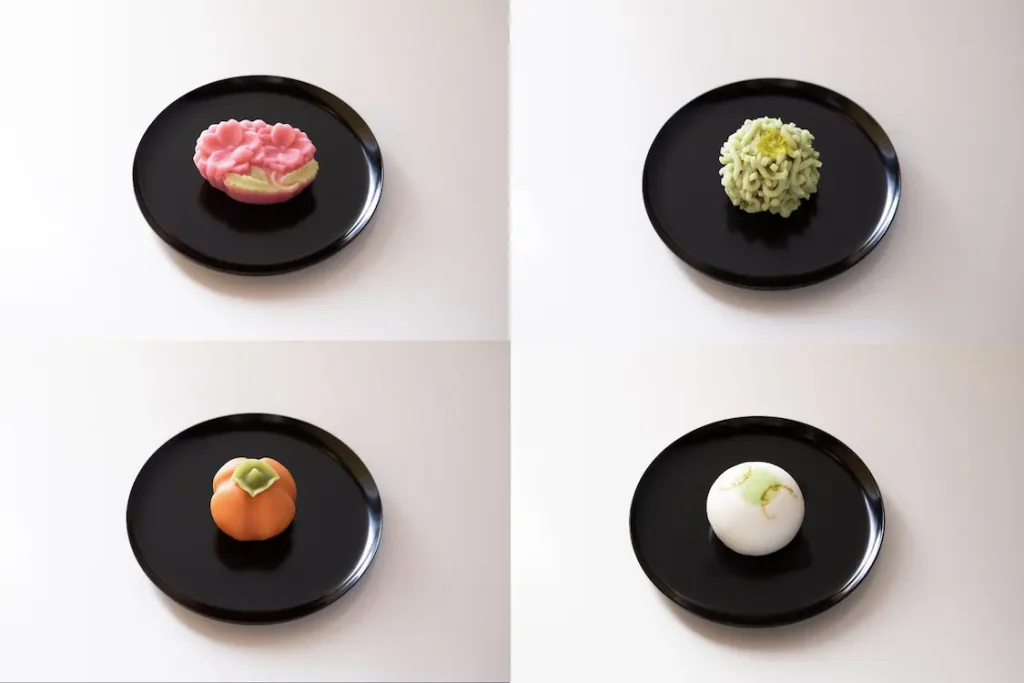
Seasonal fresh sweets
540 yen each
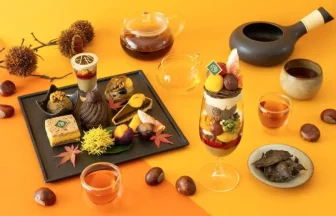
Fresh sweets express the feeling of the seasons. Six to seven varieties—such as “Teori Zakura,” expressing the Japanese love for cherry blossoms, and “Sawabe no Hotaru,” representing fireflies glowing in the grass with green kinton and kohakuto—change every half-month, along with a monthly Akasaka-only item. Some are recreated and sold based on the “Sample Book of Sweets” passed down since the Edo period.
Spot Overview
| address (e.g. of house) | |
|---|---|
| phone | |
| Business Hours | |
| regular closing day | |
| Payment Method | |
| External Links |