

Founded in the first year of Bunsei (1818).
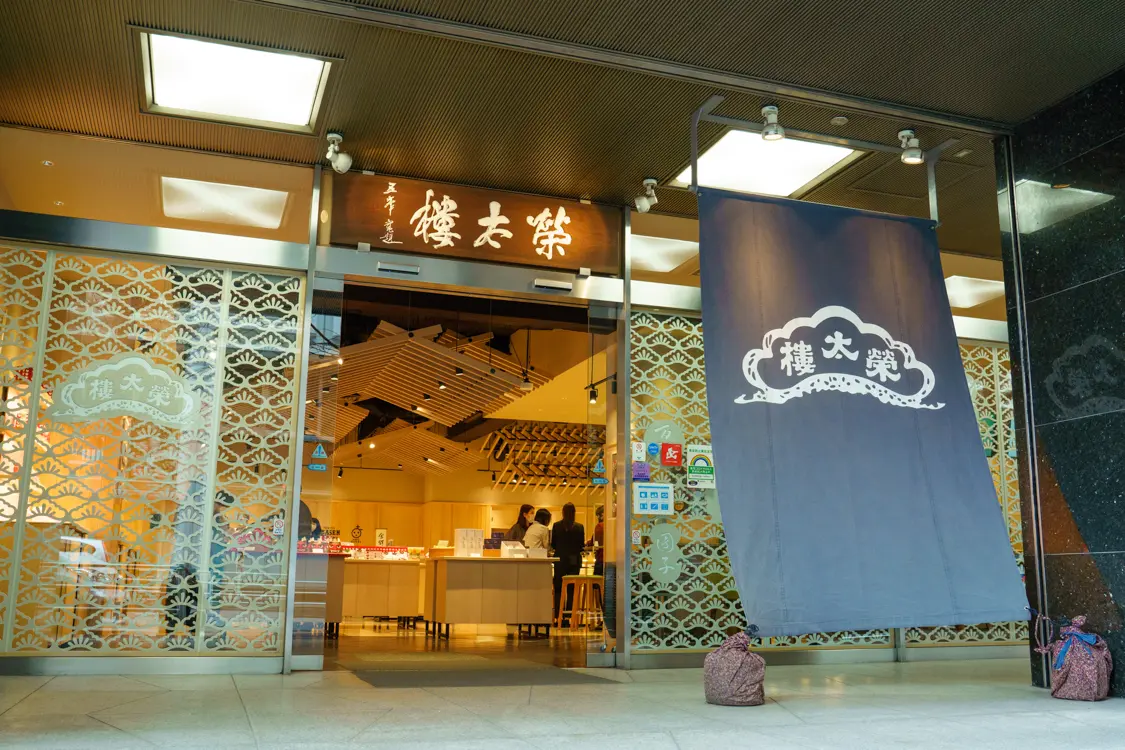
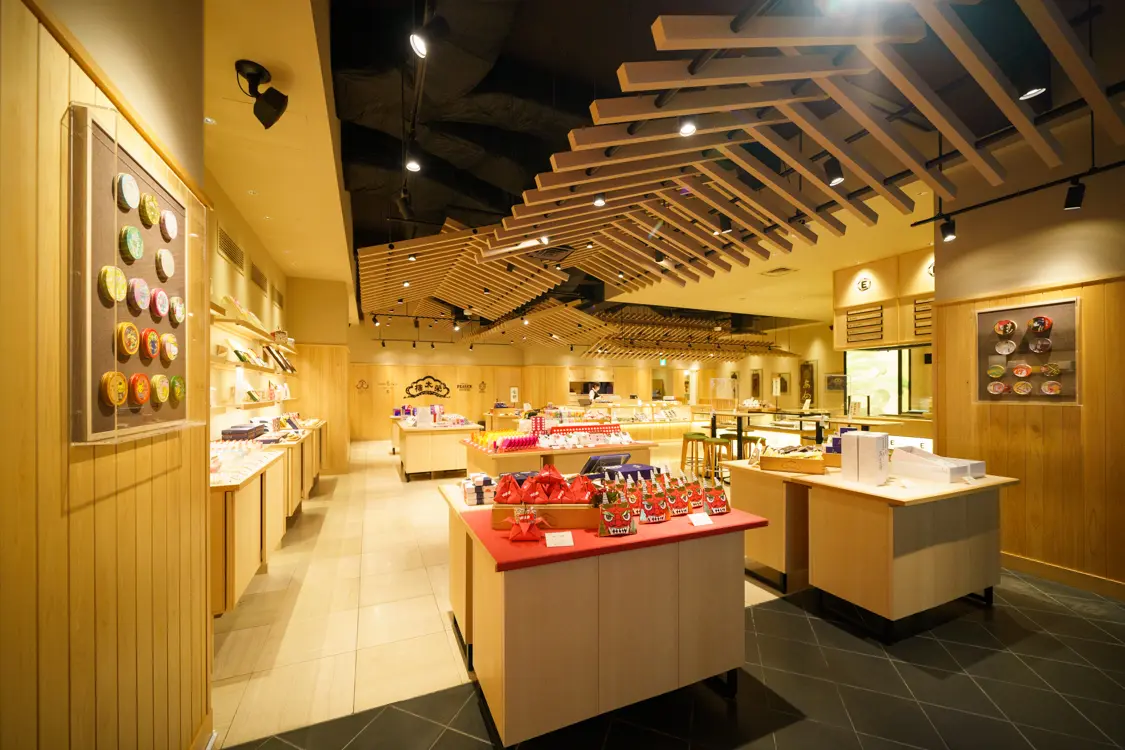
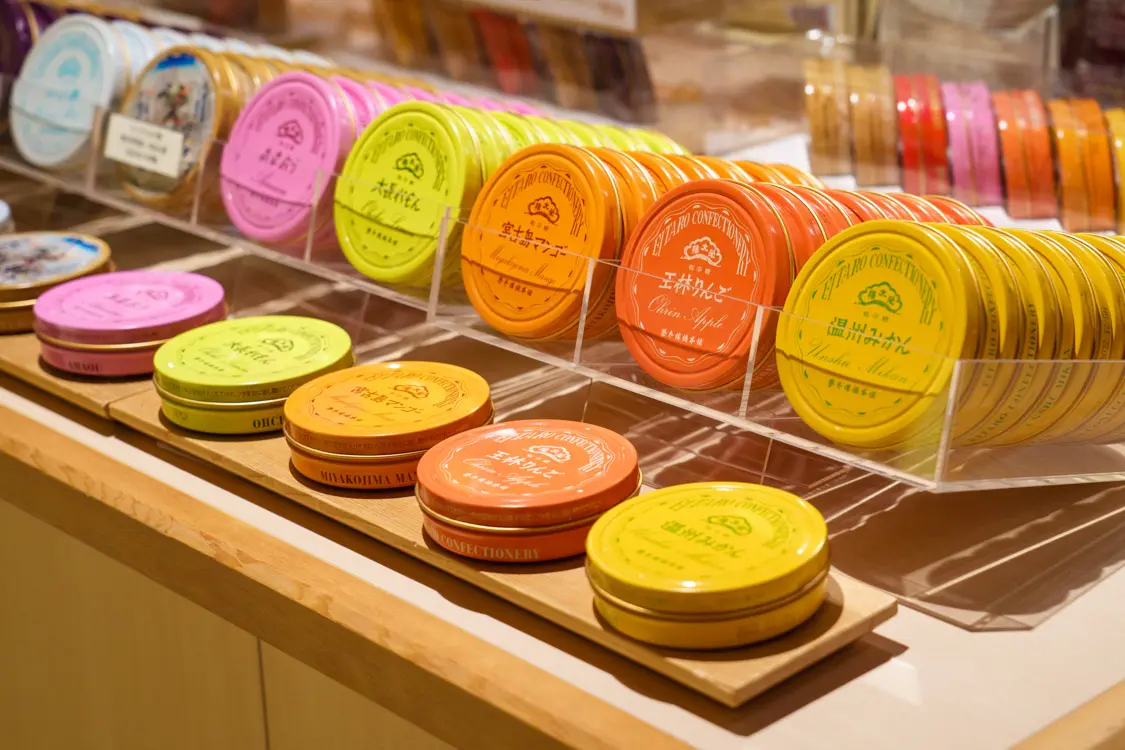
The Nihonbashi Main Store is filled with the rich history and charm of Eitaro.
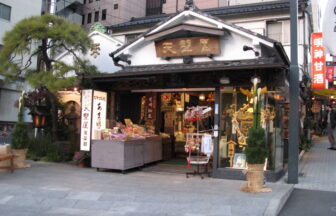
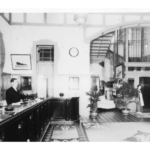
The Nihonbashi Main Store of Eitaro Sohonpo is located close to Nihonbashi.Inside the bright and spacious store, a wide variety of Japanese sweets are lined up.This store is not only for shopping, but is designed so visitors can fully enjoy the appeal of Eitaro.In the demonstration corner, craftsmen make fresh sweets such as kintsuba, and at the wagashi café you can enjoy desserts like anmitsu and parfaits.
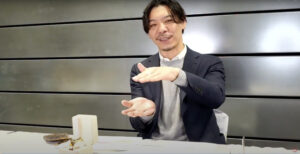
“Did you notice the differently colored paving stone embedded just after you enter the store? This is a granite paving stone that has been here since Eitaro first opened its store in Nihonbashi.The brass-lined border surrounding the stone indicates the width of the storefront at that time,and it serves as a reminder for us to never forget the spirit with which we started in this place.”
These are the words of Mr. Makoto Hosoda, the 8th head of the family.Throughout the store, tools used for making wagashi and old confectionery tins are also displayed.
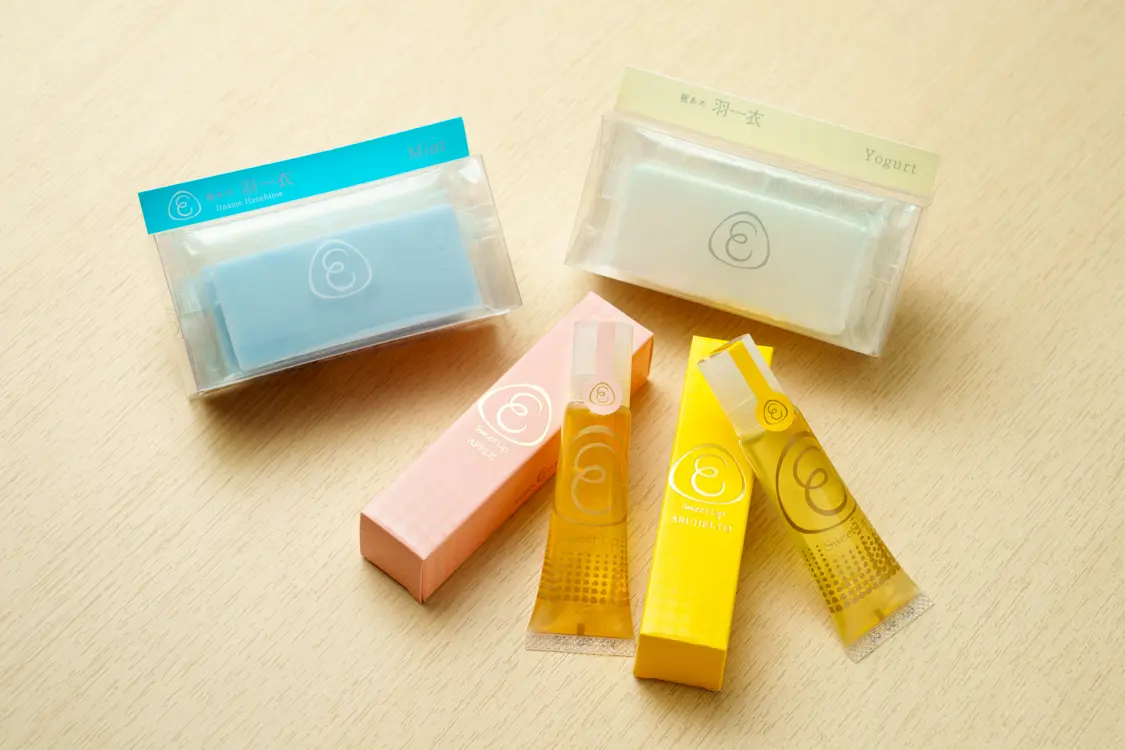
In recent years, Eitaro has developed multiple brands to help people of all ages enjoy wagashi.At the Nihonbashi Main Store, customers can purchase products from five brands: “Eitaro Sohonpo,” “Ameya Eitaro,” “Nihonbashi Eitaro,” “Karada ni Eitaro,” and “Tokyo PEASEN.”
“Ameya Eitaro is a brand created in collaboration with Shinjuku Isetan in 2007.そWe redesigned our classic candy by putting it in tubes like lip gloss or making it into colorful sheets, so younger customers could enjoy it as well.The cute packaging is very popular.And ‘Karada ni Eitaro’ is a brand based on the concept of creating healthy sweets so people can feel happy and energized both mentally and physically through delicious food.We develop various products such as daifuku that do not cause a rapid rise in blood sugar and yokan enriched with amino acids, and they are also attracting attention from athletes.”
Eitaro Sohonpo values both what has stayed unchanged since the old days and what leads ahead of the times.When you visit Nihonbashi, why not stop by?
History
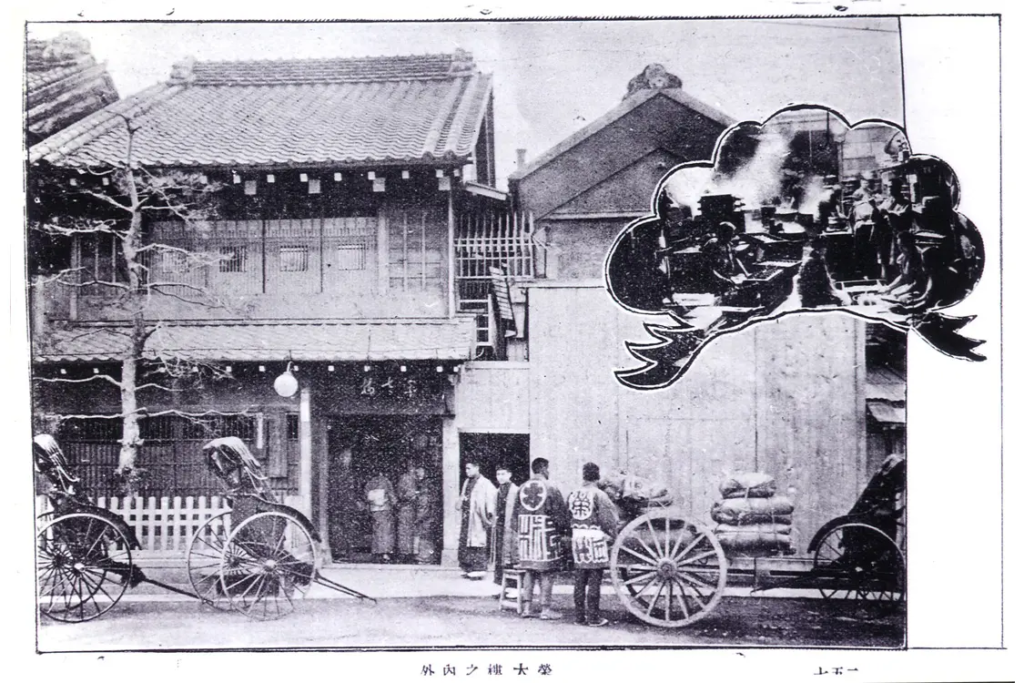
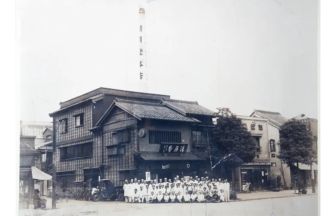
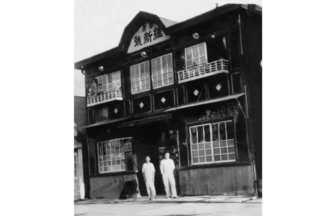
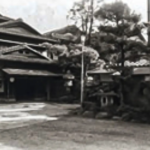
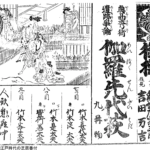
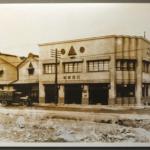
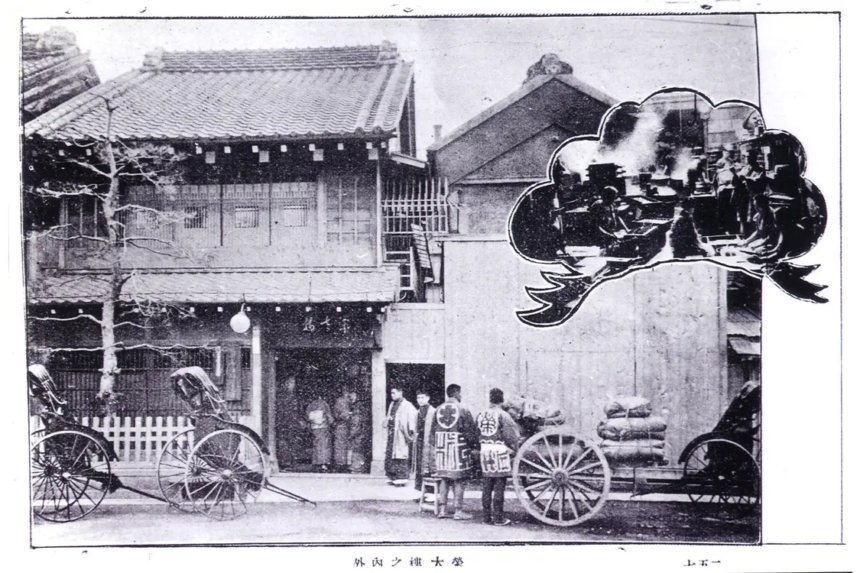
In the first year of Bunsei (1818), the first head of the family, who was a confectioner in Hannō, Saitama, went to Edo with his two grandchildren.He opened a store called “Izutsuya” in Kudanzaka and began selling agemochi crackers — this was the beginning.Later, Yasubei Hosoda, the third head and great-grandson of the founder, opened a kintsuba stall at Nihonbashi Fish Market.Because Yasubei’s childhood name was Eitaro, the stall became affectionately known as “Eitaro’s shop,” and the business name changed to “Eitaro.”In Ansei 4 (1857), the store was opened at the current Nihonbashi Main Store location, and signature products such as “Umeboshi Ame” and “Kananato” were created.Although the store was once destroyed during an air raid, it was rebuilt in 1947.The business reopened with a tearoom inside the store.In 1951, Eitaro worked on the establishment of Tokyu Toyoko Noren Street and made its first entry into the department store market.As gourmet food districts spread to department stores and station buildings nationwide, Eitaro Sohonpo also expanded its stores across Japan.
Please come and visit Nihonbashi, a place that continues to evolve.
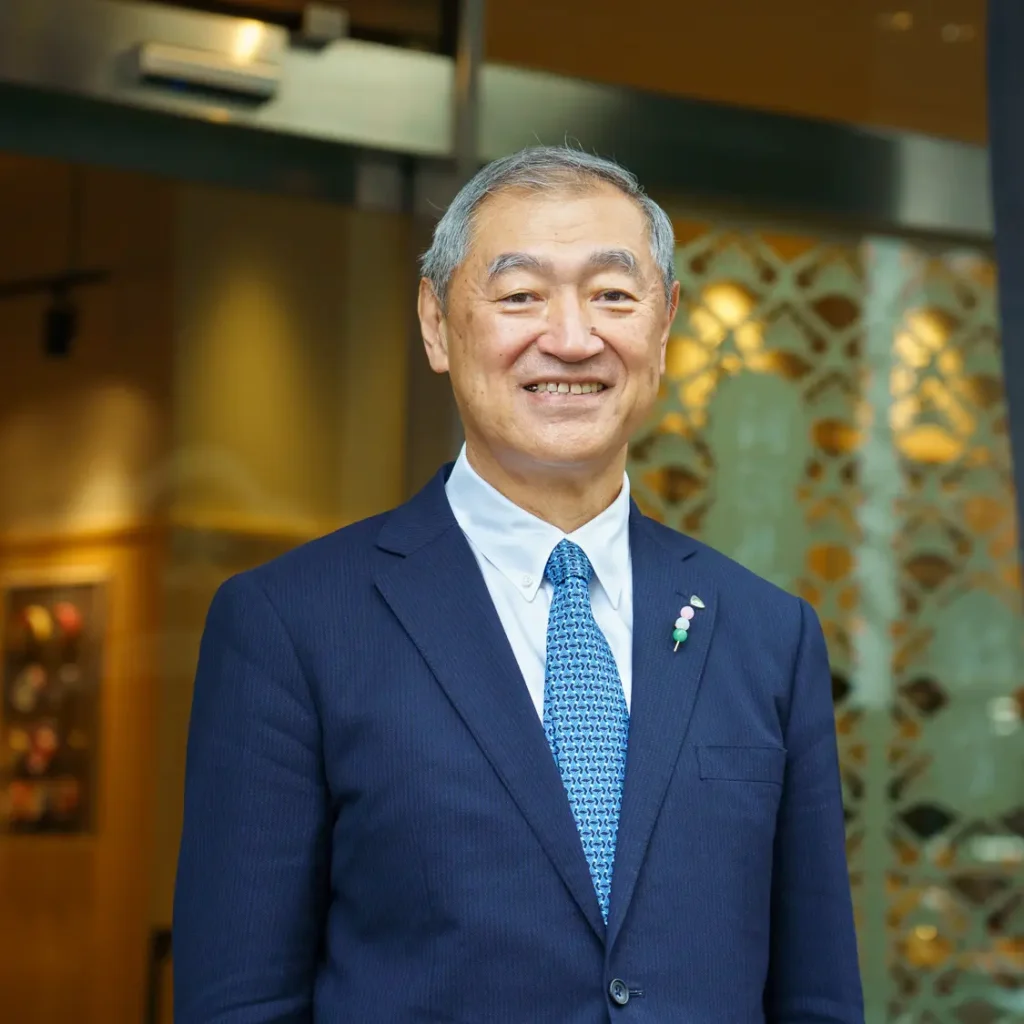
Makoto Hosoda
8th Head of Eitaro Sohonpo
Since the Edo period, when the third head Yasubei Hosoda opened a store in Nihonbashi, we have cherished our history here thanks to the support of the local community.Nihonbashi is currently in the midst of major redevelopment and will continue to change in the years ahead.Please come and enjoy “Eitaro of Nihonbashi.”
This Notable Item
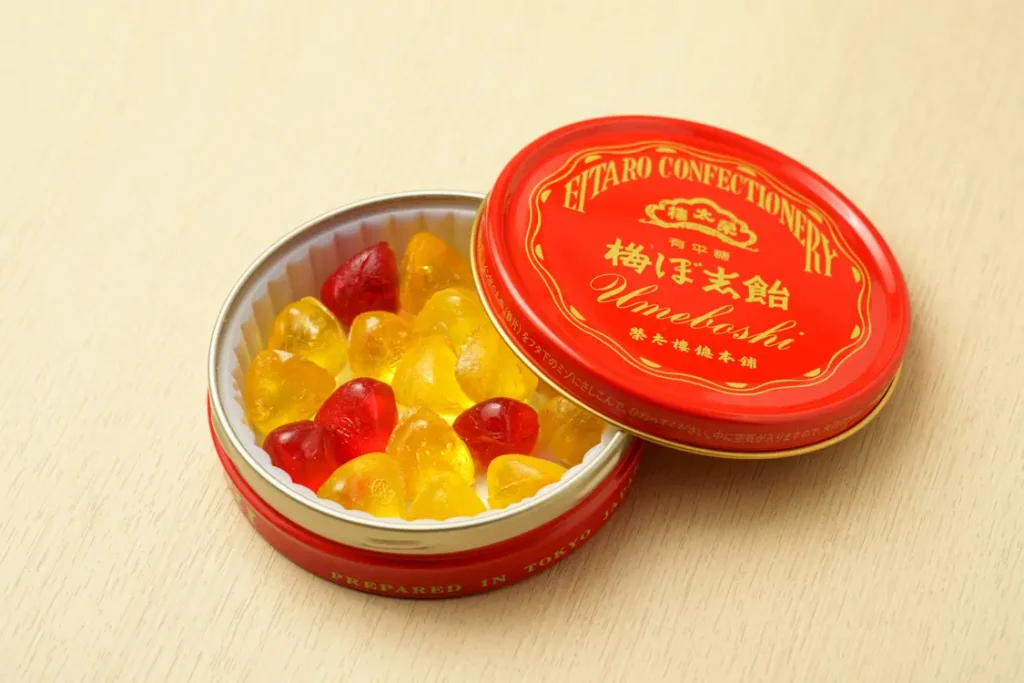
Umeboshi Candy – canned.
432 yen
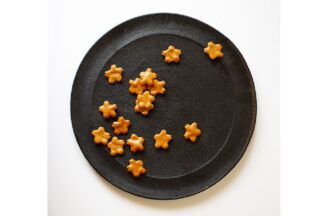
When stick-shaped candy is cut into small pieces and its corners are pinched, it forms a wrinkled triangle resembling a pickled plum, which led to the name “Umeboshi Candy.”Brown sugar and starch syrup are boiled over high direct heat to create a rich caramel flavor.It has a gentle taste you’ll never get tired of, with a light texture that crunches pleasantly when bitten.
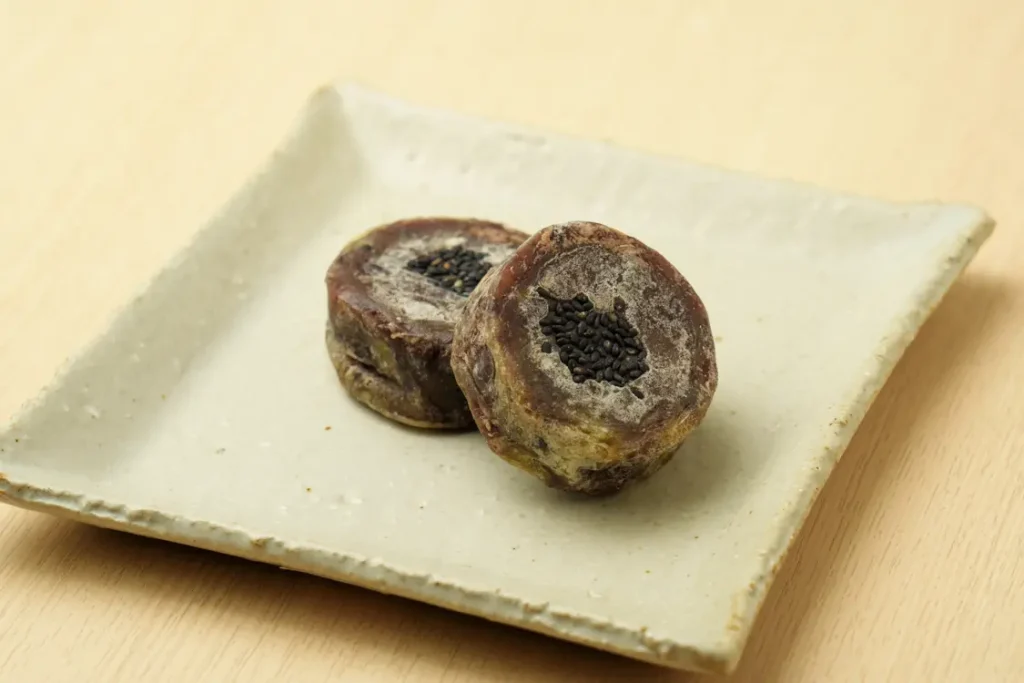
Kaoru Aji Dashi
292 yen each.
Kintsuba is made by wrapping red bean paste in thin wheat dough and grilling it into a flat round shape — the same style since the Edo period.Erimo red beans from Tokachi, Hokkaido are soaked in syrup overnight to let sweetness fully penetrate, creating smooth and delicious mashed bean paste.You can enjoy the fragrant aroma from sesame oil and the natural flavor of the red beans.
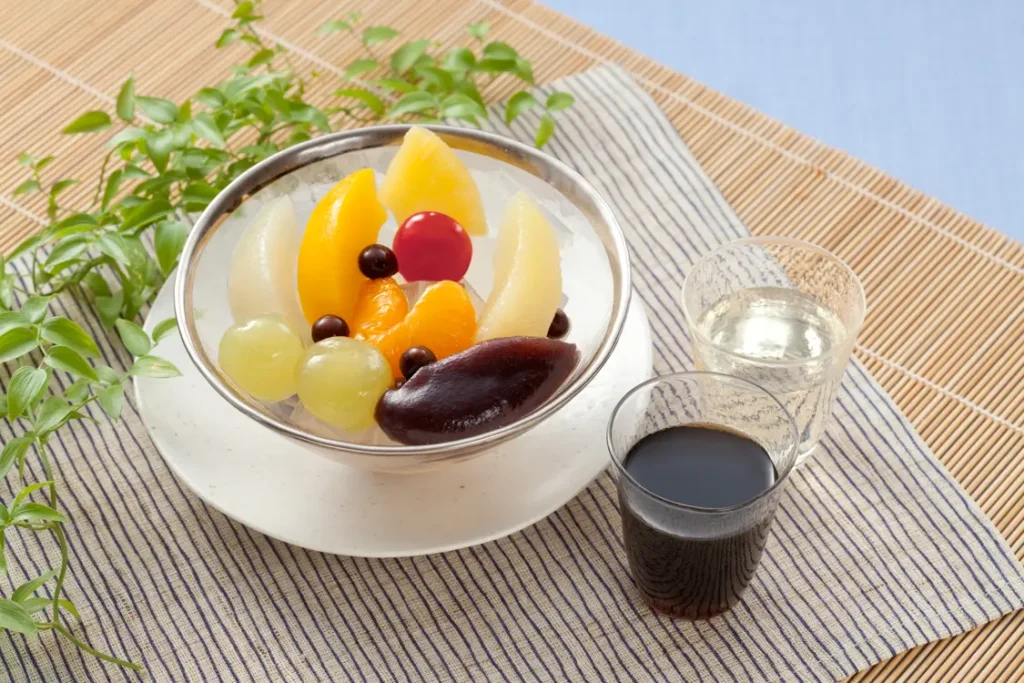
Anmitsu.
4 pieces for 2,160 yen.
In 1978, this anmitsu was developed so people could easily enjoy at home the anmitsu that was very popular in the Nihonbashi Main Store tearoom.It is packed with plenty of fruits such as pineapple, white peach, yellow peach, mandarin orange, cherry, grape, and La France pear.The brown sugar syrup uses Okinawan brown sugar.With its colorful appearance, it is also perfect as a gift.
Spot Overview
| address (e.g. of house) | |
|---|---|
| phone | |
| Business Hours | |
| regular closing day | |
| Payment Method | |
| External Links |