

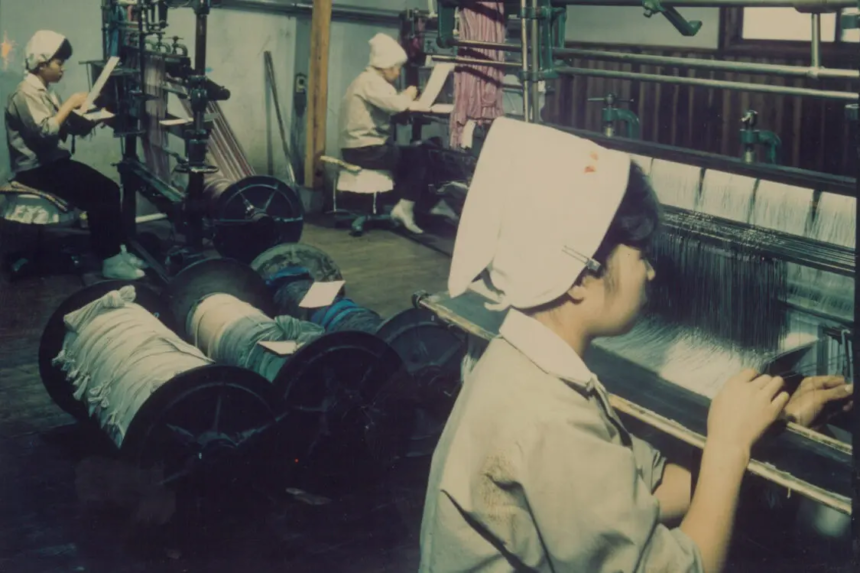
Founded in Meiji 1 (1868)
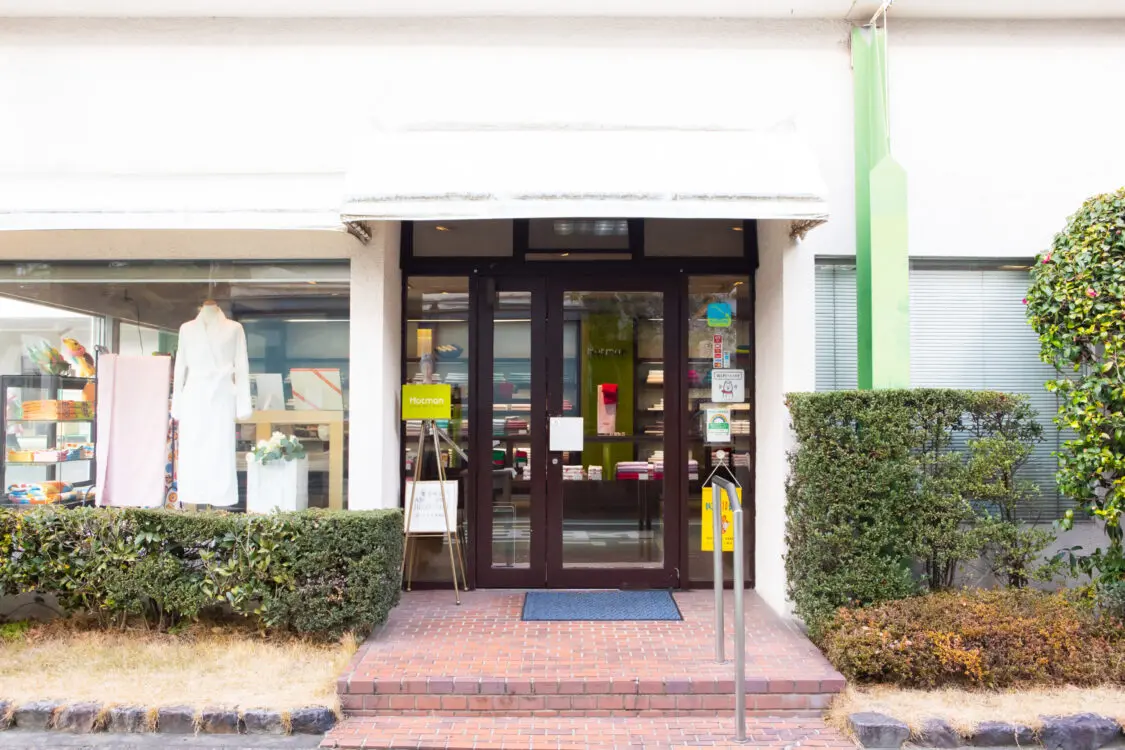
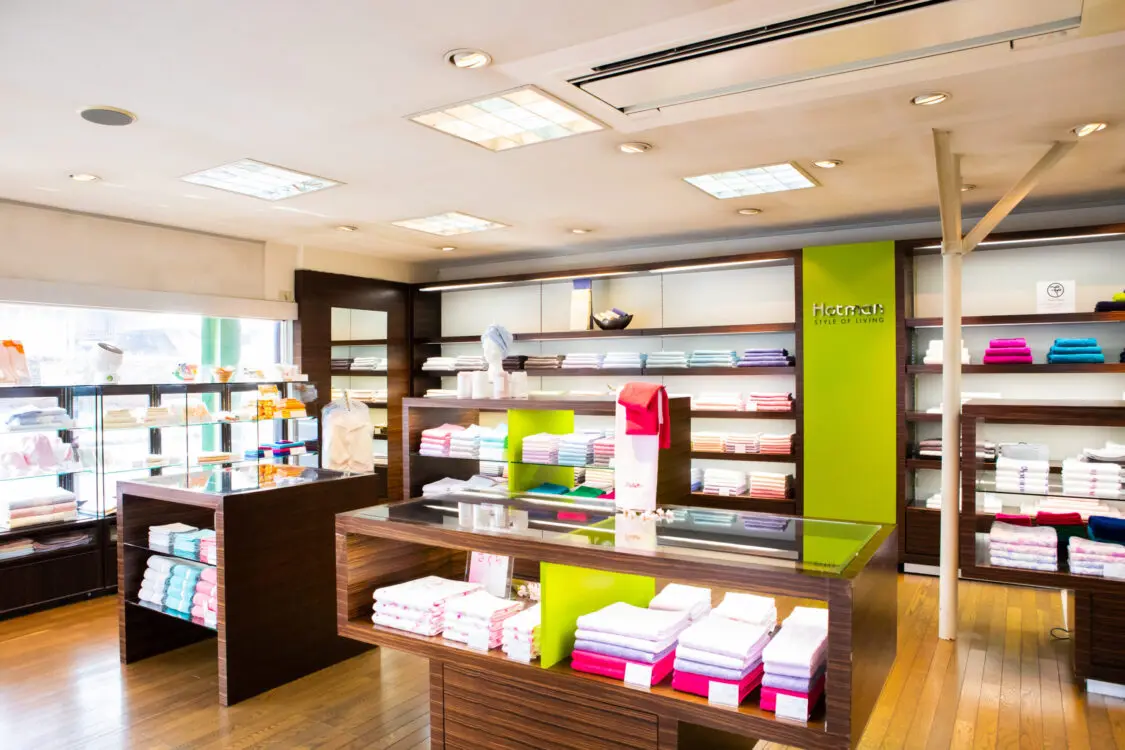
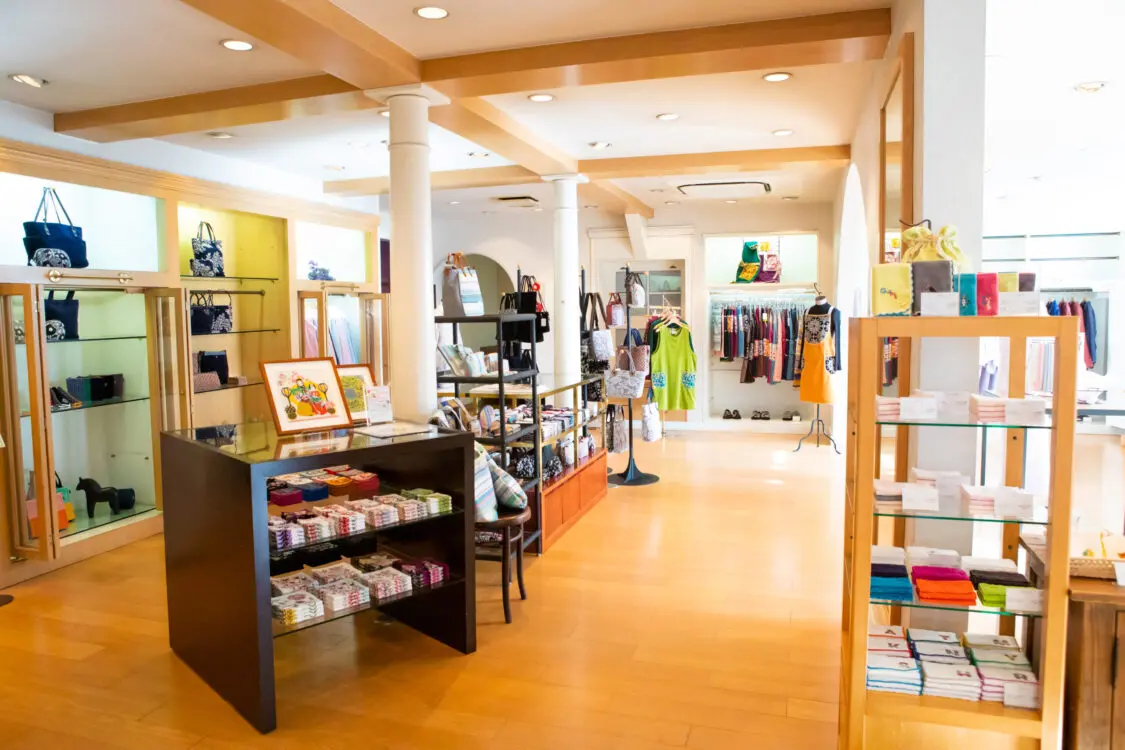
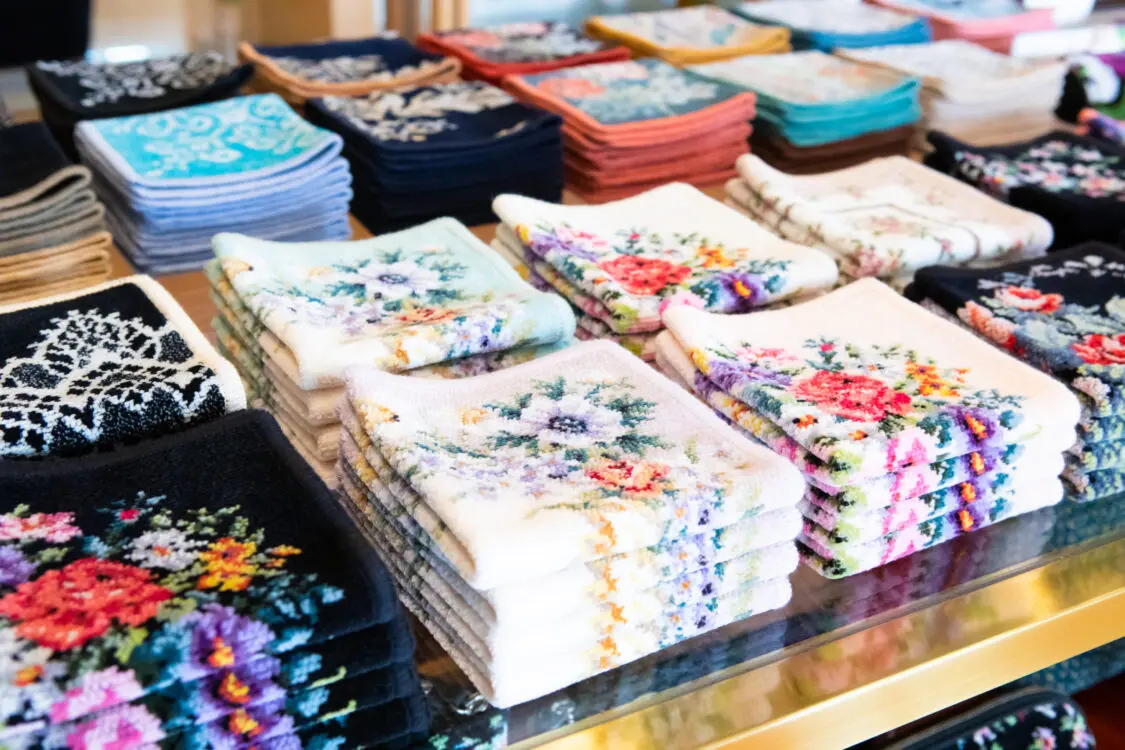
The “1-Second Towel” became a major hit. A long-established towel maker with 150 years of history.
For example, cut a towel into a 1-centimeter square and drop it into a tank filled with water.You might expect it to float for a while, but some towels absorb water instantly and begin to sink within one second.This is the “1-Second Towel.”The Japanese standard for towels is within 60 seconds, so its absorbency is truly surprising (*).
It was developed by the towel manufacturer Hotman, which has its factory and directly managed store in the green city of Ome, Tokyo.
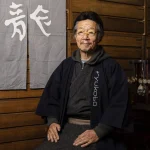
“Since we began making towels in Showa 38 (1963), we have kept asking, ‘What makes a good towel?’ and reached the conclusion that absorbency is the most important factor.Since then, we have continued our research in pursuit of the real thing,” says Masayuki Sakamoto, the 7th-generation president.
Those tireless efforts bore fruit as the “1-Second Towel” in Heisei 25 (2013).To introduce more people to towels with enhanced absorbency, made using an original method that uses abundant high-quality groundwater and thoroughly removes excess oils and impurities, they promoted it under the name “1-Second Towel.”At the same time, Mr. Sakamoto, then the factory manager, rebuilt and refined the manufacturing process to consistently achieve results within one second.
This uncompromising pursuit of authenticity is also reflected in their integrated system, handling planning, production, and sales entirely in-house.Hotman is the only company in the Japanese towel industry to maintain this style.
“Our towels feel soft to the touch and last a very long time.This is because we carefully control every step in-house, from selecting cotton to spinning, twisting, dyeing, weaving, and finishing.In the weaving process, we also use silk textile techniques, carefully weaving fine threads at high density.That is why the fabric stays fluffy and does not lose its shape,” says Mr. Sakamoto with a calm tone and passionate eyes.
Using fabric softener can easily make towels feel soft.However, since such chemicals can irritate the skin and reduce the fibers’ absorbency, Hotman never uses them during production.
“Because towels touch the skin directly every day, we want to deliver safe, high-quality products through technology, not chemicals.”
Filled with “hot” passion true to the company name, these top-class towels captivate people, who say, “Once you use it, you’re hooked.”How about one as a reward for yourself or a gift for someone special?
* Based on the absorbency test “Sedimentation Method” (JIS standard).
History
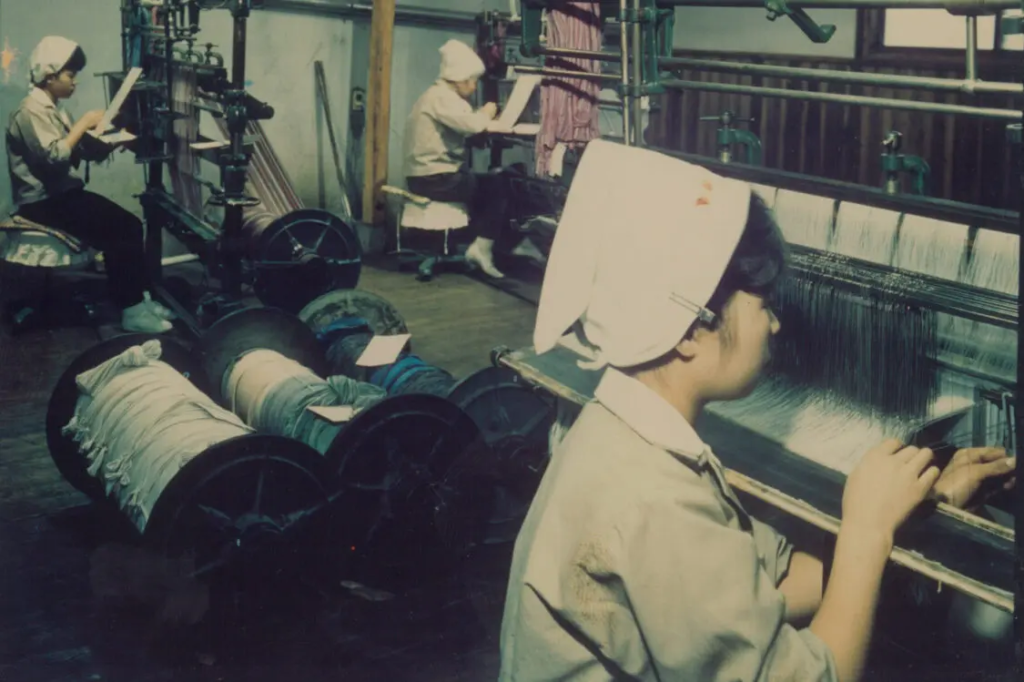
Founded in Meiji 1 (1868).“The company was established in Ome, Tokyo, once known as a “town of textiles,” as a silk textile manufacturer.It mainly produced fabrics for women’s clothing, but began towel production in Showa 38 (1963).At the time, tenugui cloths were common, but towels began to spread widely into ordinary households.In 2013, the company unveiled the “1-Second Towel,” using skilled manufacturing techniques refined over many years.Its absorbency overturned conventional ideas about towels and amazed the public.They also produce Japan’s first domestically made fair trade cotton towels and products using traditional German chenille weaving.
Life becomes richer when you have a towel you love
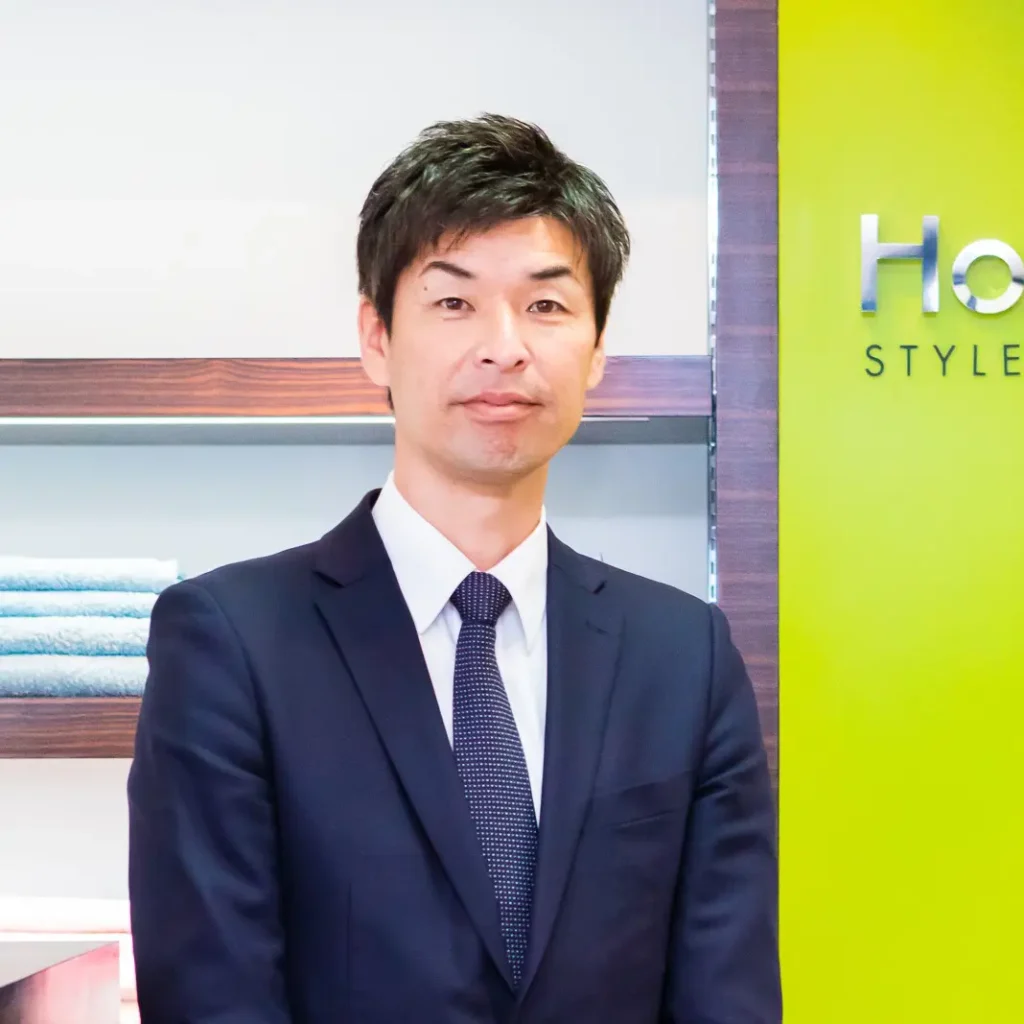
Masayuki Sakamoto
7th Generation of Hotman
A towel is something you use every day from birth to death, a true partner in life.If you have one that feels comfortable, soft, gentle, and safe to use anytime, your days will surely be happier than ever.We would be happy to help support such a life through our towels.
This Notable Item
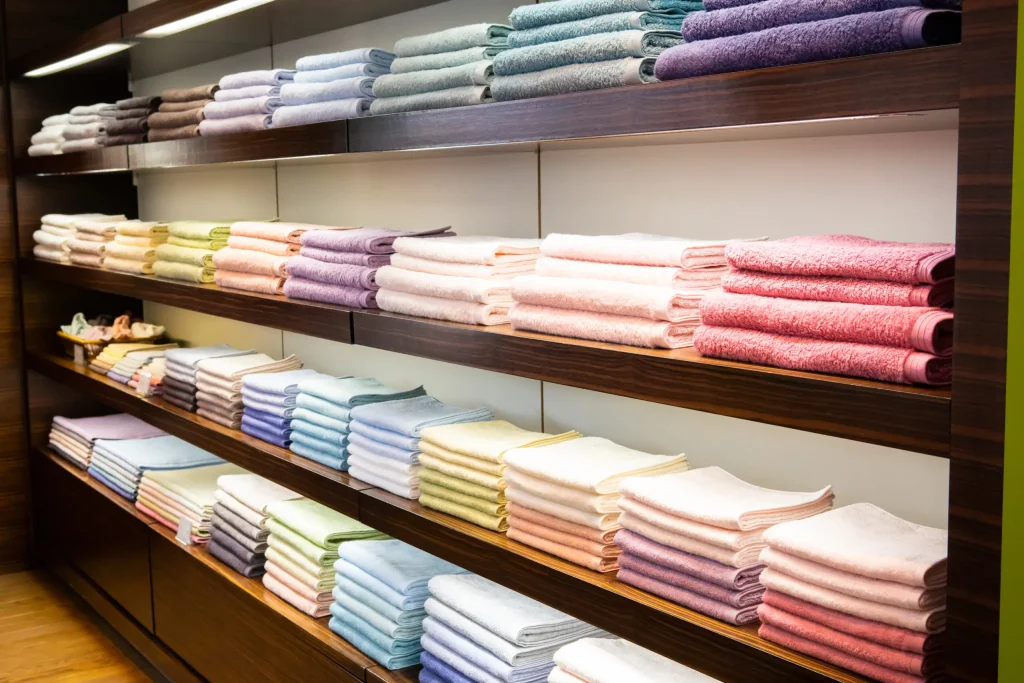
Hotman Color Hair Towel
1,870 yen
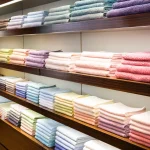
“Hotman Color” is the No.1 popular series made from the highly absorbent “1-Second Towel,” available in eight sizes.Designed for use in relaxing spaces, it comes in 18 colors, mainly soft tones.Just gently placing it on wet hair or skin absorbs water quickly, and wrapping it around your hair cuts drying time in half.
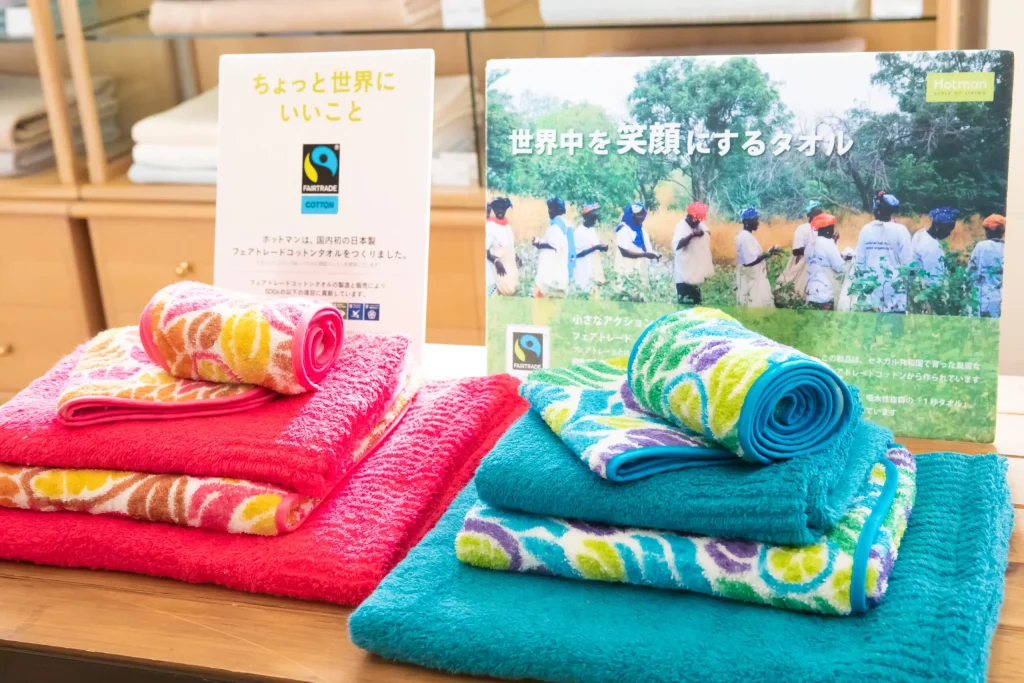
Hummingbird
From 2,970 yen
“Fair trade” aims to improve living conditions and promote economic independence by purchasing raw materials from developing countries at fair prices.In 2014, Hotman began producing Japan’s first domestically made fair trade cotton towels.They are available in four sizes, including bath towels and hair towels.
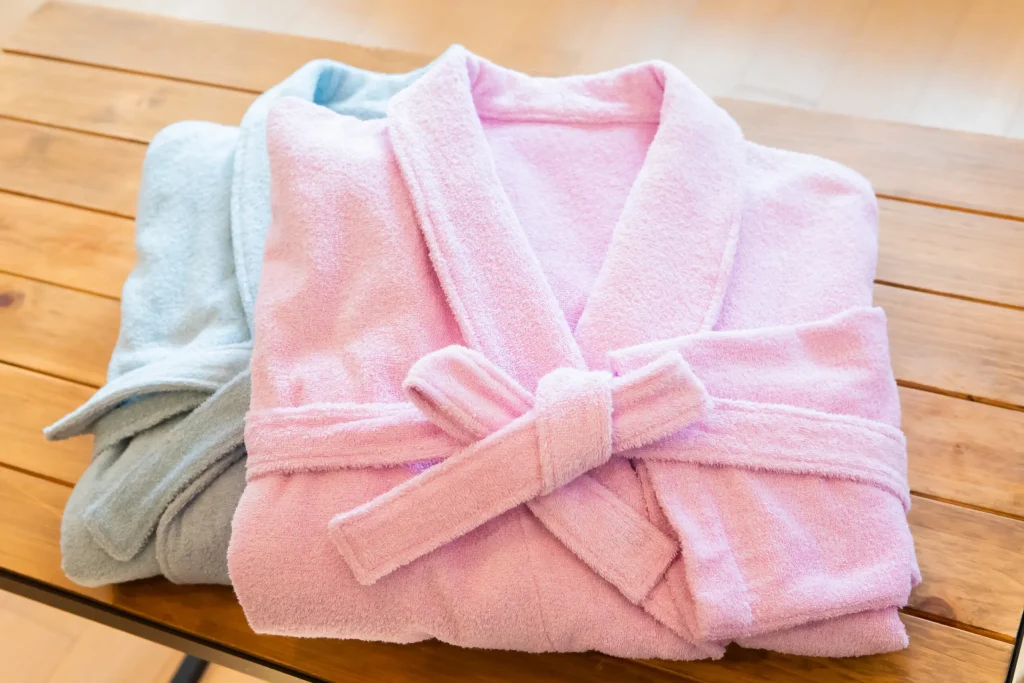
Fufura Bathrobe Light
19,800 yen (women’s) / 20,900 yen (men’s)
A lightweight bathrobe made from the “1-Second Towel.”Made of medium-thick, fluffy pile fabric, it quickly absorbs water and sweat just by slipping it on after a bath.It is also popular as a gift for busy parents who bathe with babies or children and stay busy even after bath time.
Spot Overview
| address (e.g. of house) | |
|---|---|
| phone | |
| Business Hours | |
| regular closing day | |
| Payment Method | |
| External Links |